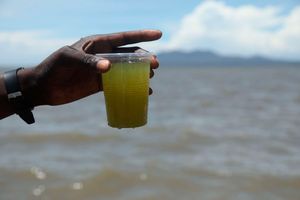
In rural communities around Kenya, a little-known health crisis quietly affects millions of women and girls. This group is at risk of female genital schistosomiasis (FGS) while doing routine household tasks like washing clothes and dishes, and collecting water from water sources.
The disease is caused by the parasitic worm Schistosoma haematobium, which lives in lakes, rivers and ponds commonly used for domestic activities. FGS causes severe pain, organ damage and infertility. Those affected have increased susceptibility to HIV and human papillomavirus infections, the latter being a risk factor for cervical cancer.
FGS affects an estimated 56 million women and girls, mostly in sub-Saharan Africa, but still remains a largely unknown disease. Symptoms such as vaginal discharge, bleeding, pelvic pain and lesions often resemble those of sexually transmitted infections, leading to frequent misdiagnoses. As a result, women suffer in silence, especially in rural areas where access to proper health care is limited.
FGS can be effectively detected and treated through existing sexual and reproductive health (SRH) infrastructure. Integrating FGS screening, treatment and health education with SRH services enables early detection during routine health examinations, including cancer screening, maternal care and HIV testing. Kenya has become the first country globally to implement this integrated approach.
The Children’s Investment Fund Foundation (CIFF) is funding a partnership between Frontline Aids, LVCT Health and the Ministry of Health that has led to the development and publication of the Minimum Service Package (MSP) of Care for FGS integration into SRH. The MSP defines integration points and guides health planners and practitioners on how FGS and SRH interventions can be integrated.
The use of existing government health infrastructure makes FGS services cost-effective, routine and sustainable. This pilot project, which began 10 months ago, will run for two years. It is being implemented in three schistosomiasis-endemic counties: Kwale, Kilifi and Homa Bay, with plans to scale up to other endemic regions in Africa. Of the 2,714 women who underwent cervical cancer screenings in these counties since April this year, 11 per cent had FGS. Without this integrated screening, these women would likely face multiple undiagnosed hospital visits, potential misdiagnosis as sexually transmitted infections, continued stigmatisation, and a threefold increased risk of HIV infection.
Given the staggering prevalence of FGS, shifting beyond mitigation to full elimination is critical. This goal calls for united action from government agencies, private sector partners, and civil society. The voices and experiences of affected women can shape policy decisions and guide funding priorities.
By combining expertise and resources, we can build comprehensive programmes that focus on raising awareness, providing education and ensuring access to treatment. This will help to break the stigma surrounding FGS and encourage women to seek care, creating a future where no woman suffers in silence from this preventable disease.