Why our growing towns urgently need public parks
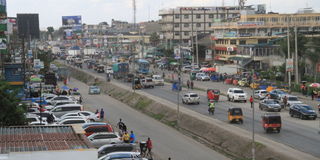
Aerial view of Kitengela town.

What you need to know:
- County governments and the National Land Commission should identify and gazette recreational land in emerging municipalities.
- Planning approvals for new estates and gated communities should enforce the Physical and Land Use Planning Act’s requirements for public green space.
Nyambera was a place people once hurried past. Before becoming a dumpsite, Governor Simba Arati has recalled, it was a cemetery residents feared. The site stood amid homes, schools, hospitals and businesses, a health hazard where street children scavenged for plastic to sell to recyclers, growing up among smoke and rotting waste.
Today, the ground hosts Etaya Governor’s Park. Working with the National Environment Management Authority, Kisii County decommissioned the dumpsite and turned it into a public green space.
During World Cleanup Day celebrations in Kisii on 20 September 2026, Governor Arati described the transformation: “From a cemetery to a dumpsite, and now from a dumpsite to Etaya Governor’s Park, a recreational centre for our children. This is the new Kisii we want.”


Fast-growing towns
The story is worth celebrating, but it is also a warning. Kisii could reclaim Nyambera because the land was public and under county control. Many fast-growing towns have no such option. Their land was subdivided and sold before anyone reserved space for children to play or families to gather.
Kitengela, 30km south of Nairobi, illustrates the problem. Once Maasai grazing land, its 18,292-hectare group ranch was subdivided in 1988 to promote private ownership and commercial livestock production. By 2019, the town’s population exceeded 154,000, rising more than 160 per cent in a decade.
Construction fuelled by Nairobians seeking cheaper land has made it one of Kenya’s fastest-growing urban areas. Residents need places for children to play beyond construction sites, roadside verges and dusty gaps between gated compounds.
Public green space
Yet with most plots titled and fenced, little public land remains. The county would have to buy land from private owners at prices that rise with every delay, a cost many governments cannot meet. The chance to reserve open space disappears long before political will emerges. That is Nyambera’s lesson: dumpsites can become parks, but open space is infrastructure, and planning it after development costs more than setting it aside early.
Three steps could help. First, county governments and the National Land Commission should identify and gazette recreational land in emerging municipalities, including Kitengela, Ruiru, Ngong and Isinya, before subdivision consumes it. Second, planning approvals for new estates and gated communities should enforce the Physical and Land Use Planning Act’s requirements for public green space, rather than provide only amenities for residents who can pay.
Third, where public land is scarce, counties should consider public-private partnerships, land swaps and leases with willing owners instead of treating purchase as the only option. Nyambera shows what leaders can achieve when they treat public space as essential. Kisii had an old wound to heal; Kitengela and similar towns still have a choice. Leaders must act while land remains available, not wait until the consequences become impossible to ignore.
The writer divides his time between Kitengela and rural Kisii.


