Is judicial activism a dirty word? The media must tell it like it is
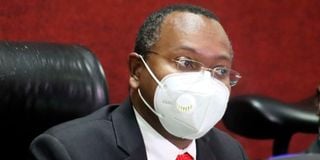
Justice Joel Ngugi delivers the judgment on eight consolidated petitions challenging the proposed BBI referendum at the High Court in Milimani, Nairobi, on May 13. Prof Ngugi led the five-judge bench that heard the case.
It’s recognised that judicial activism is the power of judicial review to strike down actions by the Executive that are not constitutional.
Judicial activism is a good thing in our political dispensation.
Is ‘judicial activism’ a dirty word? Is describing a judge as an activist intended to disparage, disrespect, abuse and belittle? The outburst following the High Court judgment on BBI leaves no doubt that the term was used pejoratively. But is it pejorative?
The ruling in David Ndii & others v Attorney-General & others on May 13 gave supporters of BBI an excuse to hurl insults at the judges. The Saturday Nation of May 15 and Sunday Nation of May 16 laid bare the anger and vitriol. Junet Mohamed, Denis Waweru, Abdikarim Osman Mohamed, Raphael Tuju and a host of other leaders accused the judges of practising judicial activism, which, in their mind, is a lawless and shameful act.