How forex trading apps are changing the way we trade
Sponsored by HF Markets
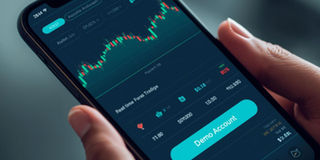
Forex has not always been a tap-and-go pursuit. Not long ago, traders hovered over desktop charts, refreshed data like life depended on it, and tried to catch market turns between work calls and dinner.
Then mobile platforms took over. Now the market is available on any forex trading app and goes wherever traders travel. Whether this is helpful or slightly dangerous depends on one’s discipline, but the change is undeniable. The entire industry has shifted from a desk-bound activity to something far more accessible, immediate, and (occasionally) tempting.
Apps did not simply replace the desktop screen. They reshaped behaviour, habits, expectations, and even the pace at which many approach trading decisions.
A new trading pattern has emerged
Mobile platforms allow traders to review positions, track news, and watch charts during regular daily routines. The market is no longer confined to a desk.
The change has encouraged far more frequent interaction with data. It also raised the bar for brokers, as traders have little interest in platforms that lag, freeze, or require endless navigation. Mobile tools became the deciding factor in whether a brokerage gains or loses clients.
Charting tools have evolved for mobile use
Early mobile charts resembled crude sketches. Today, they support multi-timeframe analysis, indicators, drawing tools, watch lists, cross-asset comparisons, and efficient navigation.
Improved charting means traders do not lose sight of market conditions when away from a desktop. Reactions to news or price changes can be made promptly because everything needed for decision-making stays within reach on a phone.
Lower entry barriers have expanded participation
Mobile platforms introduced forex to a much broader audience. The interface of a modern forex trading app is familiar to anyone accustomed to banking apps or financial dashboards.
This wider participation has pressured brokers to improve every aspect of their service. More comprehensive education, tighter pricing, more accessible support, and broader asset lists became essential.
Competition intensified, and traders benefited from platforms that evolved to match rising expectations.
Alerts and mobile execution support faster reactions
Price alerts, event reminders, and conditional triggers have become a crucial part of modern trading. Mobile notifications allow traders to respond to market changes instantly. A sudden breakout, a key economic release, or a spike in volatility no longer goes unnoticed.
Education and communities have moved onto mobile platforms
Most major modern trading apps provide integrated lessons, market commentary, video guides, glossaries, calendars, and tooltips that help beginners understand trading.
This type of education could once only be found on external websites or extensive manuals. Now, it is easily accessible within the app itself, ready whenever a trader needs context.
Conclusion
Forex trading apps have transformed the market by placing powerful tools in the hands of anyone with a smartphone. Traders can manage positions, review charts, and monitor global currency movements without being tied to a workstation.
This shift widened participation, increased competition among brokers, and pushed the industry toward more innovative features and improved support systems.