Jobs created as Devki kicks off construction of new steel plant in Tororo
Sponsored by Devki Group of Companies
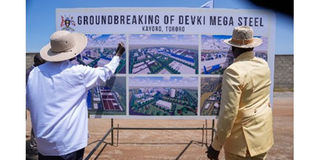
Presidents Yoweri Museveni of Uganda (left) and Kenya's William Ruto during the ground-breaking ceremony in Tororo, Uganda, for a new factory by DevKi Steel Mills. This was on November 23, 2025.
By Evans Ongwae
After executing a high-level ground-breaking ceremony on November 23, 2025 for a new steel factory in Tororo, Uganda, Devki Steel Mills, based in Kenya, has wasted no time in kicking off construction.
Devki Group Chairman, Dr Narendra Raval, reveals that the target is to complete the project in 24 months. “Full construction has started, with six contractors on the ground,” he says.
A distinguished Kenyan industrialist and investor, Dr Raval asserts that when production begins in 2028, it will unlock employment opportunities in several East African sectors that use steel as a key ingredient.
Over the next two years, he says, 7,000 Ugandans and 300 Kenyans will be on site, building the plant to completion. By the end of the project, 15,000 Ugandans will be working in different areas inside and outside the plant.
He says as the East African region ramps up steel production, citizens will feel the positive impact.
“This project will provide jobs for our young people, build new value chains for small and medium enterprises (SMEs), and create opportunities that extend far beyond Uganda's borders,” said Kenya’s President William Ruto during the ground-breaking ceremony, which he attended alongside his Ugandan host, President Yoweri Museveni.
President Ruto went on to declare that beyond direct job creation, the Devki Tororo Steel Plant “will open vast opportunities for companies within the East African Community, particularly in transport, energy, construction and service sectors, through cross-border supply contracts and strategic joint ventures.”
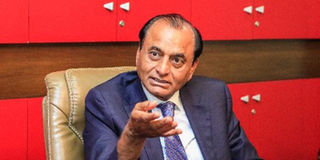
Devki Group Chairman, Dr Narendra Raval.
The steel sector in Africa has become increasingly pivotal in fuelling economic progress throughout the continent, with a strong emphasis on bolstering infrastructure, advancing industrialisation, and enhancing value-added manufacturing.
With an estimated 20 to 25 billion tonnes of proven and probable iron ore reserves, Sub-Saharan Africa possesses the natural resources needed not only to meet its rapidly growing domestic demand, but also to position itself as a major global exporter.
Uganda spends $500 million a year on steel imports, and Kenya $800 million. For Uganda, that narrative is set to change as it will not only have enough steel for own consumption once the Devki plant begins operations, but also for export to other East African nations. Thus, Kenya can access steel from the neighbouring nation, unlike now when it imports from afar at higher costs because of the distance and logistics involved.
Says Dr Raval: “This project will reduce the trade deficit of Uganda by over a billion dollars by not importing steel.”
The industrialist says President Museveni invited and encouraged him to construct a steel plant there.
Steel is the key ingredient in infrastructure development and industrial progress. It is essential in sectors such as housing, transport, energy, water distribution, and agricultural mechanisation, among others. For various reasons, structural steel is considered an ideal material in the construction of buildings, bridges, railways, and other large structures.
Dr Raval argues that by powering these industries, steel produced in Uganda will create diverse jobs.