From farm to family: Why the humble egg still matters
Sponsored by Kenchic PLC
By Jim Tozer
Every morning, in homes across Kenya, the day may begin with a simple meal: An egg served alongside bread, vegetables, porridge or tea. It is an ordinary food, but its nutritional value and the livelihoods connected to its production make it anything but ordinary.
Today, October 9, is World Egg Day, an annual celebration that recognises the nutritional value, versatility and contribution of eggs to food systems and livelihoods. This year is particularly significant as World Egg Day marks its 30th anniversary, under the theme, ‘Protein that Powers and Protects’.
The theme is a timely reminder that nutrition is not only about having enough food on the table, but also about having access to foods that provide the nutrients the body needs to grow, function and remain healthy.
Eggs are among the most accessible sources of high-quality protein. They contain all nine essential amino acids the body needs, making them a complete protein source. They also provide important nutrients such as choline, vitamin D, vitamin B12, and selenium, which support brain health, immune function, and overall well-being.
For children, protein and essential nutrients support growth and development. For adults, adequate protein supports muscle and tissue maintenance and repair. For older people, protein is especially important for maintaining muscle mass and strength.
This makes the egg more than just a breakfast staple. It is a simple, versatile food that can support nutritious diets across different stages of life.
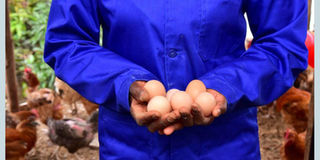
But behind every egg on a breakfast plate is a farmer, and behind that farmer is an entire value chain.
Supporting the people behind the egg
Kenya's poultry industry provides an important source of food, income and livelihoods, particularly for small and medium-scale farmers. Poultry can provide households with both a regular source of food and an income-generating asset, while the wider value chain creates opportunities for farmers, input suppliers, transporters, traders and retailers.
For poultry farmers, however, success does not simply depend on keeping chickens. Access to quality inputs, technical knowledge, proper feeding, disease prevention, good hygiene and sound farm management can make the difference between a productive enterprise and one that struggles. This is where support for farmers across the poultry value chain becomes important.
Kenchic PLC, which has been involved in poultry farming in Kenya since 1984, describes its purpose as enabling shared prosperity through sustainable food production. Its farmer support extends beyond supplying day-old chicks to providing technical guidance and resources to help farmers improve productivity and build sustainable poultry businesses.
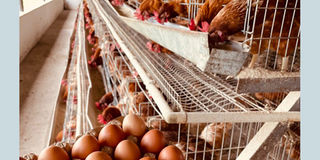
Through its poultry centres and farmer support programmes, Kenchic provides access to day-old chicks, feeds, technical advice, specialised equipment and veterinary support. Farmers can also access guidance on feeding programmes, health management, hygiene and sanitation, brooding and record keeping.
For a farmer, such support is not merely technical. It can directly affect the ability to earn a livelihood, meet household needs, and keep investing in a poultry enterprise.
The farmer's success is therefore closely tied to the availability of quality eggs for consumers.
From farmer to consumer
The journey from farm to table also places responsibility on everyone in the food chain.
Consumers increasingly want to know where their food comes from and whether it has been produced safely. Food safety, animal welfare, responsible production and traceability are therefore becoming increasingly important considerations within the poultry sector. For producers, maintaining these standards helps strengthen consumer confidence while contributing to a more resilient food system.
Kenchic says its approach includes traceability and food-safety measures across its production processes, alongside standards covering animal welfare, biosecurity and responsible antimicrobial use.
This matters because the value of an egg is not determined by nutrition alone. Consumers need food that is not only nutritious, but also safe and responsibly produced.

A small food with a big role
The significance of World Egg Day ultimately extends beyond celebrating the egg itself. It is an opportunity to consider the relationship between nutrition, agriculture and livelihoods. A food as familiar as an egg connects a child eating breakfast before school to the farmer tending a flock, the workers in the poultry value chain, and the businesses that move food from farms to consumers.
It also highlights an important challenge for Kenya: Ensuring that nutritious foods remain accessible while farmers have the knowledge, inputs and support required to produce them sustainably.
As the world celebrates 30 years of World Egg Day, the message of ‘Protein that Powers and Protects’ is therefore both simple and significant.
Eggs can help power growth, activity, and healthy living. At the same time, the industry behind it can help protect livelihoods, strengthen food security and support communities.
Perhaps that is why despite changing food trends and increasingly sophisticated diets, the humble egg continues to earn its place at the Kenyan table.
This World Egg Day, it is worth looking beyond the shell and recognising the people, nutrition and livelihoods that come together in every egg.
____________________
Jim Tozer is the Managing Director of Kenchic PLC


