What role does family really play in retirement?
Sponsored by SanlamAllianz
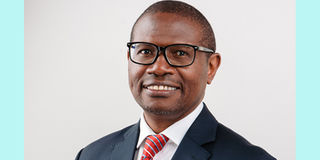
Moses Mutuli, General Manager, Life Insurance (East Africa), Sanlam Allianz Africa.
By Moses Mutuli
In Kenya, family serves as an emotional safety net and a cultural expectation because of strong family bonds. Historically, parents have relied on their children as a primary retirement plan, but this is becoming increasingly unsustainable. Ideally, children must help secure their parents' retirement, but not fund their baseline cost of living.
Is there a place for family in retirement decision-making?
Retirement planning is often a family decision, with spouses and relatives actively involved. Financial support for older family members is deeply embedded, especially for daily living and healthcare costs.
However, family obligations materially reduce the amount available for retirement saving, with 29 percent of respondents saying these obligations significantly affect their retirement pots.
Despite strong family-support norms, most respondents still want to remain financially independent in retirement. Many retirees move from urban centres like Nairobi and settle in their rural homes to reduce post-retirement expenses and to maintain their independence. However, this may disconnect retirees from their nuclear family, taking away their emotional safety net.
Where does the support for retirees go?
“Leakage” is one of the four traps identified in inaugural SanlamAllianz Kenya Retirement Benchmark Report 2026 that surveyed approximately 300 Kenyans, that would affect one’s retirement plans. Leakage may stem from multiple factors, a key one being the need to support one's nuclear and extended family, popularly known as “Black Tax” in Kenya. This would cause a saver to dip into the pension pot when an opportunity arises.
Supporting older relatives is embedded in household finances, creating a real intergenerational claim on income, with 38 percent of respondents regularly supporting those relatives.
Intergenerational support is concentrated in essential living and medical costs, as shown below:
Support for older relatives should hardly be an emergency, but as an expected expense for a majority of those in active employment. The positive news is that unless it is a medical emergency, such support is usually manageable, predictable and if well planned for, then it should put minimal strain on one’s financial resources, reducing the need to dip into the pension pot when an opportunity arises before retirement.
Kenya Before It Ages
Retirement savings providers can add value by helping families pre-fund these predictable obligations, rather than relying on ad hoc support when needs arise. Therefore, retirement solution providers should recognise family support as part of retirement planning rather than treat it as an external expense.
Financial interdependence, support versus strain
The dependency ratio in Kenya has been declining over the years, currently standing at about 65 percent, meaning there are roughly 65 dependents for every 100 people of working age. This compares with approximately 75 percent in 2015. The current ratio is driven mainly by a youthful population structure, high youth unemployment, and limited social safety nets. This differs from developed countries, where the ratio varies between 50-65 percent and is largely driven by an ageing population.
The current dependency phenomenon in Kenya can impact one's retirement in two contrasting ways:
The “Sandwich Generation” in Kenya largely consist of the Baby Boomers and Gen X, who have had to bear the dual pressure of supporting parents and adult children due to underemployment or rising housing costs, which can severely deplete their retirement savings.
Under the “Family Insurance” Policy, adult children often step in to provide housing, direct financial assistance, or navigate complex bureaucracies when retirees face cognitive or physical decline. The cost of long-term care is one of the greatest threats to retirement security. Family plays a pivotal role in absorbing or managing these costs:
- Informal caregiving: Having family members willing and able to help with daily living activities can delay or eliminate the need for expensive assisted living facilities or neglect.
- Healthcare proxy: Family members typically step into critical legal and medical roles. Designating trusted family members as healthcare proxies or powers of attorney ensures a retirees’ wishes are executed if you become incapacitated.
Generally, retirement savings compete with ongoing obligations to spouses (62 percent of respondents’ savings), children (54 percent) and older relatives (55 percent).
Action plan
A primary goal for many retirees is leaving a legacy for their children. This may, however, not be the case for a majority of Kenyans due to competing priorities. Nevertheless, without proper planning – such as long-term care insurance – late-life medical bills can quickly erode an estate, making legacy a distant dream for many retirees.
The family dynamics in Kenya call for a careful call for a careful thought as one prepares for their retirement guided by the following three pillars:
The survey also addressed suitable mechanisms that consider the family's role in retirement planning. Family members would have considered, or considered, a suitable product that allows them to contribute towards an older relative’s income or healthcare costs.
Convenience remains the core design requirement for such a product, with the requirement to make mobile-money contributions effortless, while giving families transparent records of what was contributed and where it went.
Kenya Before It Ages
Kenya is still a relatively young country, but SanlamAllianz Kenya Retirement Benchmark Report 2026 points to an important future challenge: As people live longer and family sizes become smaller, future retirees may not be able to depend on the same level of family support as previous generations. This makes building personal retirement savings even more important.
Visit ke.sanlamallianz.com to learn more.
____________________
Moses Mutuli is the General Manager, Life Insurance (East Africa), Sanlam Allianz Africa