The government is integrating databases for Inua Jamii cash-transfer programme with the civil registration services (CRS), as it cleans up records to curb cash transfers to ghost or long-deceased beneficiaries.
This follows concerns that the State Department for Social Protection has been making cash transfers to beneficiaries who have already passed away, exposing the loopholes in the management of Inua Jamii.
The state department now says following concerns raised, plans to integrate the Inua Jamii database with the CRS database are underway.
“Going forward, the state department has planned to integrate the CCTP-MIS (Consolidated Cash Transfer Programme Management Information System) with the CRS database to automatically identify deceased beneficiaries,” it says.
It said integration will enable the Inua Jamii database “to flag out and exit the deceased OPCT (older persons cash transfer) beneficiaries.”
Inua Jamii currently serves about 1.76 million vulnerable Kenyans through monthly cash transfers, as well as those living in poverty, orphans, and persons with disabilities. The government spent Sh47.8 billion on the programme in the year ended June.
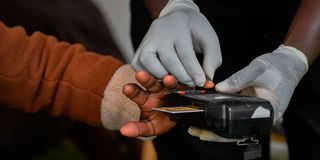
The new beneficiaries of the Inua Jamii programme at the Elburgon Assistant County Commissioner’s office in Nakuru County on May 24, 2024.
Photo credit: File | Nation
A previous audit had raised queries over deceased beneficiaries in the programme’s payroll, prompting the National Assembly to recommend a head count every two months.
In a follow-up report on the state department’s implementation of the Parliament recommendation, Auditor-General Nancy Gathungu quotes the state department admitting to the loopholes that saw money released for persons who had already passed on, but stating that it is working on a solution.
“It is true that beneficiaries whose funds had been clawed back have not been exited and the reason for this is that the payment module under the CCTP-MIS has been undergoing enhancement to provide automatic service of exiting households of beneficiaries who have been clawed back,” it said.
The department said it usually transfers funds for direct transfer to the holding accounts at six contracted banks, but when the funds comingle with other balances from previous cycles, including funds for failed credit and clawback.
It added that failed credit funds are usually reloaded into beneficiary accounts in the next payment cycle, but where the accounts have fallen inactive, money is returned to the Treasury.
It added that the decision to enhance the system was arrived at after establishing cases where caregivers of PWDs and vulnerable children resurfaced to claim their funds after the beneficiaries changed caregivers.
“All the funds in the holding account have now been surrendered to the National Treasury exchequer account, held at the Central Bank of Kenya,” it said.
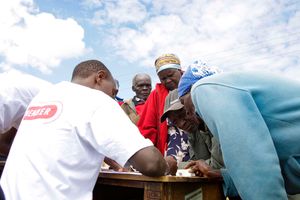
The elderly and vulnerable, wait to open bank accounts for the Inua Jamii programme in Elburgon, Nakuru County on May 24, 2023.
Photo credit: John Njoroge | Nation Media Group
Ms Gathungu noted the state department’s progress in addressing the issue, but indicated that it remained fully unaddressed until the two databases were linked.
“In the absence of automated software linked to CRS and where the process of removing the dead beneficiaries is being done manually, the existence of dead beneficiaries in the registers cannot be ruled out,” she said.