The International Centre of Insect Physiology and Ecology (Icipe) and the Alliance of Biodiversity International and CIAT hosted a dining event titled “Biodiversity Bites: A Culinary Journey into Agricultural Research in Africa” on April 8.
It focused on how innovative food solutions address global challenges related to biodiversity, climate and land. The evening featured a curated menu inspired by research-driven crops such as beans, rice, vegetables, bananas and edible insects. Every dish was paired with insights from scientists, highlighting the role of the ingredients in transforming food systems.
Icipe Director-General, Abdou Tenkouano, spoke about the mission of the institute.
“We are interfacing with insects for the improvement of people and the environment. They produce clean food, help sanitise cities and even create jobs,” he said.
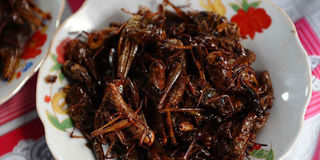
More than 2,000 insect species are consumed worldwide, with Africa home to approximately 500. Grasshoppers, mopane caterpillars and crickets are staples in many diets.
Margaret Kababu, who leads the “Insects for Food and Other Uses” programme, urged the world to eat insects.
“Insects offer up to 70 percent protein, surpassing beans and rivalling beef. They are packed with iron, zinc, omega fatty acids and bioactive compounds,” she said.
The potential for insect farming in Kenya is big. Insects can be farmed on small pieces of land, require low capital and their maintenance is also low, making the venture attractive and sustainable.
The marketing potential for processed insect-based foods, such as those made from crickets and termites, is growing.
The black soldier fly, which converts organic waste into protein-rich animal feed and fertiliser, was highlighted as an example of insects cleaning the environment while boosting farming yields and profits.
Kababu said trials on 25 crops showed insect-based fertiliser greatly improve soil health and growth rates.
Despite the benefits, cultural resistance to insect consumption remains. Abdou said much of the reluctance stems from a lack of knowledge and understanding, urging people to “close your eyes, taste and you will return”.
To ease the transition, Kababu suggested grinding insects into powder to integrate them seamlessly into daily foods like bread or porridge.
Céline Termote, a senior scientist at the Alliance of Biodiversity International and CIAT, also highlighted efforts to revive nutrient-dense traditional leafy vegetables.
These plants, which thrive in poor soils and are resilient to pests and climate change, are making a comeback.
“The vegetables contain nutrients we haven’t even identified yet,” Termote said.
According to research, these vegetables may provide health benefits beyond their known vitamin content, though consumption remains low. The average annual consumption of traditional leafy vegetables in Kenya is just 63 kilos, far below the recommended 90 kilogrammes.
Icipe is at the forefront of a programme to integrate edible insects into African diets as a sustainable, nutrient-rich solution to food insecurity.