Lake Olbolosatt’s hidden wealth: Scientists uncover Africa-first species and urgent threats
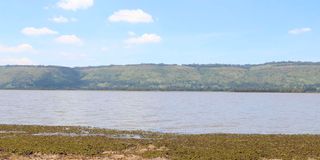
A section of the Lake Olobolosatt in Nyandarua County on August 21, 2026.

What you need to know:
- During the three-year research on the lake, researchers discovered plant and animal species, insects, and wildlife, including small aquatic species never previously documented anywhere else in Africa.
New research has unveiled findings that could, if fully harnessed, place Lake Olbolosatt in Nyandarua County prominently on the international stage. Still, the report paints a grim picture of the lake, exposing real threats to the lake and its diversity, including the risk of extinction, through errors of omission by both the county and national governments.
During the three-year research on the lake, researchers discovered plant and animal species, insects, and wildlife, including small aquatic species never previously documented anywhere else in Africa.


The Lake Olbolosatt Rapid Biodiversity and Socio-Economic Assessment research was conducted by scientists from the National Museums of Kenya, the Wangari Maathai Institute for Peace and Environmental Studies, the East African Wild Life Society, the Wildlife Research and Training Institute, the Nyandarua County Government, and the Kenya Wildlife Service.
The botanical part of the survey recorded 518 plant species in the lake, a 40 per cent increase from the 371 species documented previously. Of these, 147 were new records for the Lake Olbolosatt ecosystem, comprising both indigenous and exotic species.
During the research, two plant species, Calceolaria tripartita and Lactuca serriola, were recorded in Kenya for the first time. The report says Calceolaria tripartita is a subshrub native to Mexico and South America, and its collection may represent the first record for the African continent, according to Plants of the World Online. The second species, Lactuca serriola, is a biennial herb whose native range extends from Europe to North Africa.
“A second collection of Oenothera tetraptera was also made. These discoveries highlight the remarkable and still incompletely documented botanical diversity of this highland wetland ecosystem. Of particular conservation significance, the assessment confirmed the presence of five taxa of elevated conservation concern: one Kenyan endemic, Kenyacanthus ndorensis, recorded in Weru Ward, part of the lake,” said the researchers.
Still, some foreign invasive weed species with severe ecological impact, such as Cirsium vulgare, also known as spear thistle, a biennial herb native to Europe and Western Asia, have colonised large areas of the lake basin, particularly its wetter margins. They form dense, spiny thickets that suppress native vegetation, alter soil seed banks, and reduce habitat suitability for both wildlife and livestock.
In documenting fungi, the researchers recorded 278 species, including 141 new macrofungi species. One of them, Myriostoma cf. coliforme, was recorded in Kenya for the first time. Myriostoma cf. coliforme is native to Britain, where it is currently listed as critically endangered.
For reptiles and amphibians, the researchers discovered five endemic species and two species not previously recorded in the lake. They also documented two endemic grasshoppers, two invasive bird species, and 24 bird species of conservation concern, including the grey crowned crane, Sharpe’s longclaw, steppe eagle, and tawny eagle, which is classified as vulnerable.
Nancy Ogonje, executive director of the East African Wildlife Society, says the research established that Lake Olbolosatt is of global ecological and economic importance.
“More importantly, we recorded some endemic species that have been recorded for the very first time in Africa in this lake. This is a journey we started in 2017, when we advocated for the lake to be gazetted as a protected area, and it was eventually gazetted as such in 2018. We then helped the Nyandarua County Government to develop a strategic management plan, which is already in place and was handed over to the county in 2023,” said Ogonje.
She said the research was data-based and helped give a clear picture of Lake Olbolosatt, the species found there, the pressures surrounding the lake, and how best the lake can be supported in its restoration and protection moving forward. The director says the data collected will guide stakeholders on the way forward and that, with these findings, the lake is now recognised nationally and internationally.
“With local and international recognition, we are now able to mobilise resources from development partners for its conservation and protection. This data is the foundation that informs the next steps. The communities we have worked with have given priorities that need to be addressed. But at some point, we look forward to the gazettement of the lake as a national reserve,” noted Ogonje.
She said some of the challenges facing the lake include destruction, encroachment, overexploitation, pollution, and erosion, but encroachment is the main challenge.
Nyandarua Governor Kiarie Badilisha said the lake’s water levels and catchment area have declined significantly over time.
“Rivers and springs that fed the lake were historically abundant in the 1970s and 1980s but are now scarce. This trend is due to increasing water abstraction and diversion for domestic use and irrigation, reducing inflows and recharge to the lake.”
Governor Badilisha termed the report a breakthrough, saying it contains facts that have been missing and that will help allocate the lake the resources it deserves, among other interventions.
“Discovery of endemic and other special species has made the lake an international centre of attraction. This information, data, and facts will attract tourists, scholars, and researchers. We plead with the national government to hasten the gazettement of the lake as a national reserve. This will pave the way for other interventions, including the reclamation of stolen and encroached land, the promotion of ecosystem management, and other economic activities. Water abstraction at water sources should also be stopped to protect the diversity in Lake Olbolosatt,” said the governor.
Dr Mary Muchane, a lead researcher for the report, said part of the research assessed the implementation of previous reports and recommendations, which the researchers found to be about 40 per cent complete.
Ann Mukaindo, the research project lead, said the research, conducted between 2023 and 2026, aimed to establish the diversity within the ecosystem, how land use is changing within the ecosystem, how the community interacts with the lake, and how their actions and activities affect the lake.
“We were looking at the entire diversity; we looked at the birds, the fungi, amphibians, water quality, and land use. One of the key things we found was that we were able to record new species that had never been recorded in the ecosystem. We found the lake has over 500 species of plants, over 206 invertebrates, several mammal species, and over 270 fungi, including mushrooms and others. This ecosystem shows that we have a very rich biodiversity. We also have birds found in the ecosystem, with more than 162 species documented, some of which are endemic and found only in Lake Olbolosatt,” said Mukaindo.
She explained that the research found that some birds migrate from other parts of the world during winter to breed at the lake.
“The ecosystem is not only important to us here in Kenya but also to other countries in Europe. We found that in terms of land use and cover, there are many changes in land use within the ecosystem, and there has been fragmentation and loss of forest cover and grasslands, which are very important breeding sites for some of the birds. This means the changes in land use are affecting the quality of this ecosystem. Our findings show that this lake is an important site for biodiversity. We need to strengthen the policy and legal framework for effective conservation and protection of the lake.”