In the 1990s and early 2000s, Nairobi’s nightlife pulsed with thumping music and crowded dancefloors, but the rhythm of the night has since shifted, undergoing a profound transformation.
Restaurants, bistros, lounges and food courts are rapidly redefining what it means to go out after dark in Nairobi.
This transformation is not merely aesthetic—it is social, cultural and economic, with sweeping implications for how the city eats, entertains and expresses itself.
For decades, Nairobi’s Central Business District (CBD) was the undisputed heart of nightlife. Legendary clubs like Florida 2000 (F2), Simmers, Garden Square, Tacos and others were not just venues—they were institutions.
Mojos bar which closed its doors early this year.
Photo credit: Francis Nderitu | Nation Media Group
They were places where business deals were sealed, political whispers exchanged and memories forged in the haze of neon lights, loud music and late-night revelry.
“I remember going to Simmers after work every Friday. Rain or shine, broke or not—it was part of Nairobi’s DNA. Now it’s gone,” recalls James Mwangi, a 43-year-old taxi driver and former club regular.
Over the past 15 years, many of those iconic establishments have shut their doors —brought down by rising operational costs, insecurity, shifting consumer preferences and an evolving urban landscape. In their place, eateries, cafés and lounges have taken over, offering a very different kind of night out.
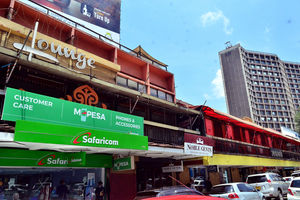
The 1st floor of the IBEA Building located on Moi Avenue was home to Club Heartz which later gave to to Lavish Lounge. Today, you can fill your stomach with food from Kilimanjaro Restaurant.
Photo credit: Francis Nderitu | Nation Media Group
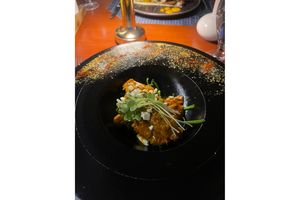
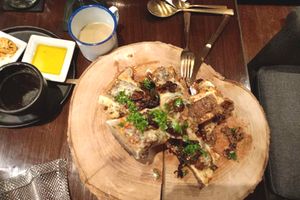
Nairobi’s food scene has exploded in both scale and sophistication. Somali eateries serving camel meat and spiced rice, Swahili bistros from the coast, Korean BBQ joints and Asian-fusion restaurants now dot the city.
For many Nairobians, these have become the preferred spots to unwind—not with booming music, but with late-night platters, desserts and relaxed conversation.
“There’s more value in food than just alcohol,” says Fatuma Noor, who runs a 24-hour biryani house in South B. “People want to eat well, relax, and talk. It’s not just about getting drunk anymore.”
This shift aligns with the rise of a health-conscious, social media-savvy middle class. Instagrammable dishes, curated experiences, ambient lighting and chill music now set the tone—replacing the smoke-filled clubs of the early 2000s.
Many of Nairobi’s new eateries function as hybrid spaces—part restaurant, part lounge—offering acoustic performances, poetry nights or soft DJ sets. They provide entertainment in a more intimate, controlled and comfortable environment.
“Running a nightclub in Nairobi today is increasingly unsustainable,” says John Kimani, a businessman in hospitality.
Once popular Simmers Restaurant in Nairobi before it was demolished.
Photo credit: File| Nation
He cites high taxes on alcohol, frequent licensing hurdles and unofficial costs, saying they have made the club business more trouble than it’s worth.
Restaurants, by contrast, operate under a different regulatory framework, with more diverse revenue streams: food sales, beverage service, event hosting, and deliveries.
The once-vibrant CBD has lost its after-dark allure. Poor lighting, insecurity, erratic law enforcement and deteriorating infrastructure deter many from venturing into town at night.
“Instead, Nairobians now prefer suburban hot spots where safety, ambiance, and convenience are more assured. I would rather watch football in a restaurant near my home than in the city over the weekend,” Kimani says.
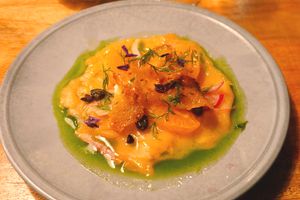
Beef Pepper Nogada with creamy walnut sauce at Social House's Urban Brassiere restaurant in Nairobi.
Photo credit: Pool
The city’s youth culture is also evolving. While clubbing was once a rite of passage, today’s young adults prefer meaningful interactions over chaotic nights…..Think a night with friends over a mzinga of wine, gin, or whiskey.
“People want to connect, network, share ideas. It’s easier to do that in a cozy restaurant than a noisy club. Plus, our generation is more health-conscious. We are not drinking every weekend—and if we do, we are cautious and talking business,” says Cynthia Wangari, a 27-year-old communications executive.
The decline of Nairobi’s club economy has affected thousands—from musicians, DJs and bouncers to street vendors and cab drivers. The once-thriving night economy that supported informal traders and transport providers has significantly shrunk.
“It’s not just clubs that died. We also lost our customers, and I retired upcountry. When I visit the city, I see only stalls and eateries,” says Mzee Tom Mutua, who used to sell eggs and sausages outside city clubs.
Mutua, who now lives in Mwala, Machakos, remembers the 1990s as Nairobi’s golden era of clubbing—anchored by Florida 2000 and supported by discos like LIPPS, Zig Zag, Beat House, Dolce and the ever-iconic Simba Saloon at Carnivore.
The Carnivore venue, famous for its meat restaurant, pioneered Nairobi’s theme-night culture. By the late 1990s, it had transformed into a multi-genre nightclub: bhangra nights for the Indian community on Fridays, soul sessions for mature crowds on Sundays, jazz nights, reggae, rock—you name it. It also hosted the National Disco Dancing Competition.
At Panafric Hotel, “Mugithi Nights” headlined by Central Kenya’s stars like Queen Jane were a hit. Bango Nights brought coastal rhythms to the capital. Carnivore’s Ramogi Night—featuring artists like the late Musa Juma and Okatch Biggy—introduced traditional Dholuo music to Nairobi’s elite.
As the nightlife scene evolved, so did regulatory complications. The blurred line between restaurants and clubs has led to confusion—and crackdowns.
In 2023, Nairobi County issued a directive banning nightclubs from residential areas, forcing many to shut down or relocate. Restaurant owners pushed back.
“The County under Governor Sakaja Johnson has introduced measures including: no licenses for nightclubs in residential areas, regulated operating hours for bars and restaurants, mandatory soundproofing of premises, and encouraging businesses to move back to the CBD to boost the night-time economy,” says County Director for Liquor Licensing Rhoda Otieno.
As Nairobi navigates this transformation, one thing is clear: nightlife isn’t dying—it’s diversifying.
Experts suggest the city is witnessing a normalisation of nocturnal culture—less wild, more intentional and perhaps more sustainable.
“Nairobi’s nightlife is not dead. It’s evolved. We ae seeing a more layered experience—food trucks, estate hangouts, pop-up kitchens, rooftop dining, cultural nights. It’s more accessible, more intentional,” says Dr Lillian Maina, an urban sociologist.
A 2023 research brief from Research Gate described Nairobi as “the New York of Africa,” citing the city’s dynamic mix of events, bars and spaces curated by Gen Z and Millennials—many of them women-led, health-conscious and creatively driven.
New trends like pop-up kitchens, rooftop restaurants, and immersive food experiences are also gaining ground, offering Nairobians a more curated night out.
And as urban developers refocus on mixed-use spaces and 24-hour city models, eateries are likely to remain central to Nairobi’s after-dark economy.
“Nairobi’s nightlife has not vanished. It has simply shifted from dancefloors to dinner tables, from bass drops to acoustic strings, from binge drinking to shared experiences. In this new rhythm of the night, the city isn’t sleeping—it’s eating, talking, laughing, and redefining what it means to go out,” says Wangari.