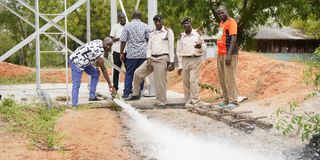
Caption for the landscape image: Tap water ends years of crocodile terror in Tana River villages Thursday, October 02, 2025 Scroll down to read the article Residents, chiefs and Water Service officials conduct a pressure test at the water tower in Tarasaa Village, Tana River County on October 1, 2025. Photo credit: Stephen Oduor | Nation By Stephen Oduor Correspondent Nation Media Group Article Related For Rehema Adhan, every trip to River Tana has been a battle between duty and terror. Three years ago, she watched in horror as a nine-year-old girl was dragged into the water by a crocodile, never to be seen again. PREMIUM Four children drown in Tana River Administrator tells parents to accompany children to the water pan to avoid disaster. How River Tana swallowed villages and irreplaceable memories Makere and Bandi are two of 15 villages rebuilding their lives after facing the wrath of climate change PREMIUM Tana crocodiles crawl into homesteads, attack at will Nine people have suffered crocodile attacks in the last three months and four have reportedly died. PREMIUM Crocodiles keep away hotel investors in Tana River Governor Godhana has proposed creation of crocodile free zones. Diving with death: Meet the daring crocodile egg hunters Crocodile egg hunting is practised by men and their male children. . Recommended for you PREMIUM Drone strikes stall two fuel tankers bound for Kenya PREMIUM Family’s Russia hope shattered by DNA confirmation of Shakahola death PREMIUM Civil servants face vetting over Sh6.2bn payroll fraud PREMIUM The Coast question: Who will inherit Raila’s loyal base? Login to join the discussion Please enable JavaScript to view the comments powered by Disqus. In the headlines Elections News Counties Business Opinion Sports Life & Style Health Podcasts Photos Newsletters Puzzles PREMIUM Civil servants face vetting over Sh6.2bn payroll fraud State renews push to identify irregular recruitment and weaknesses in management of public funds. PREMIUM Machetes, extortion and fear: Inside Homa Bay’s gang crisis Local business operators bore the brunt of the lawlessness. PREMIUM Mosiria exposes bitter fallout with Sakaja Nairobi County Chief Officer declares intention to challenge Governor Sakaja in 2027.
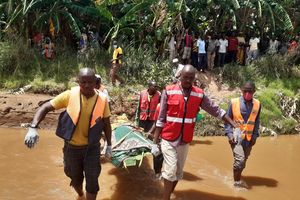
PREMIUM Four children drown in Tana River Administrator tells parents to accompany children to the water pan to avoid disaster.
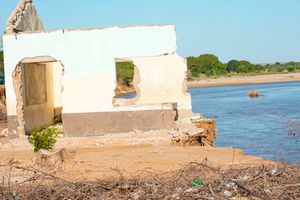
How River Tana swallowed villages and irreplaceable memories Makere and Bandi are two of 15 villages rebuilding their lives after facing the wrath of climate change
PREMIUM Tana crocodiles crawl into homesteads, attack at will Nine people have suffered crocodile attacks in the last three months and four have reportedly died.
PREMIUM Crocodiles keep away hotel investors in Tana River Governor Godhana has proposed creation of crocodile free zones.
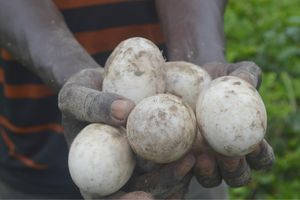
Diving with death: Meet the daring crocodile egg hunters Crocodile egg hunting is practised by men and their male children.
PREMIUM Civil servants face vetting over Sh6.2bn payroll fraud State renews push to identify irregular recruitment and weaknesses in management of public funds.
PREMIUM Machetes, extortion and fear: Inside Homa Bay’s gang crisis Local business operators bore the brunt of the lawlessness.
PREMIUM Mosiria exposes bitter fallout with Sakaja Nairobi County Chief Officer declares intention to challenge Governor Sakaja in 2027.