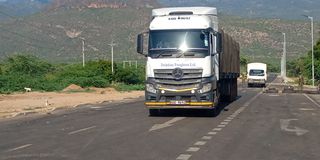
Bandits have returned to terrorise motorists along the Kapenguria–Lodwar road. The most dangerous attacks have been reported on the notorious Kainuk–Lokichar stretch.
This section of road is notorious for its rough terrain and deep potholes, which force vehicles to slow down and leave drivers and passengers vulnerable to ambush.
In recent weeks, this section of road, which is a known hotspot for attacks and highway robberies, has seen a resurgence in incidents where armed bandits target public service vehicles and long-distance trucks.
Burnt police vehicles at KWS hotspot area on February 15, 2023, where four police officers were killed and seven injured by bandits.
Photo credit: File | Nation Media Group
This highlights the complex challenges of securing the remote corridor, where poor infrastructure, fractured driver cooperation, lax enforcement and the proliferation of illegal firearms continue to fuel insecurity.
There has been relative calm on the Kapenguria-Lodwar road for over a year, despite its history of bandit attacks and highway robberies.
Since the launch of Operation Maliza Uhalifu North Rift in February 2023, a security initiative by the Ministry of Interior aimed at disarming and disbanding bandits and restoring order on the highway, particularly at the volatile Turkana-West Pokot border, travellers have breathed a sigh of relief.
However, the recent resurgence of highway banditry is casting a shadow over the progress made by Operation Maliza Uhalifu North Rift, as the combination of poor road conditions and darkness makes it easy for criminals to strike.
Read: Kainuk Town hit by renewed bandit attacks
The official, also a driver, paints a grim picture of the challenges faced on the crucial road. Large potholes, especially near Kalemngorok, force vehicles to slow down, making them easy targets for bandits who have begun to re-emerge with alarming boldness, he says.
What worsens the situation, he says, is the apparent complicity between some drivers and security personnel manning roadblocks at Kainuk and Lokichar. He highlights a 6 pm to 6 am curfew that is widely flouted, with some drivers allegedly bribing their way past checkpoints, risking their own safety and that of their passengers.
He also points to a troubling lack of coordination among drivers. Different groups follow instructions from their bosses, often flouting regulations like the curfew, which undermines collective security efforts.
“After a vehicle is forced to stop, a group of bandits emerges from the bush to carry out the robbery. They assault anyone who hesitates or resists, beating passengers and drivers before taking cash and valuables,” he reveals.
The security concerns have escalated recently following revelations by Turkana and West Pokot counties' security committees. At a recent meeting, the committees linked the spike in bandit attacks to increased small arms proliferation in border areas, particularly in Kaputir and Lobokat wards.
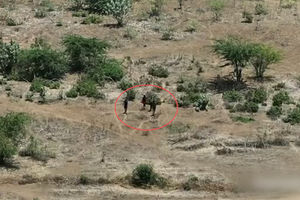
Bandits captured during an aerial surveillance mission as part of the KDF's Operation Maliza Uhalifu in Kainuk, Turkana County.
Photo credit: KDF
The border communities have suffered not only highway attacks but also frequent cattle rustling, severely disrupting farming and gold mining livelihoods.
Police authorities have, however, denied the reports even as motorists and residents cast blame.
According to Aroo sub-County Police Commander Donald Sailor, his stations have received no official reports of such attacks.
“These are just allegations I am hearing on social media. Our curfew is strictly enforced; only emergency vehicles and security personnel are allowed to move during restricted hours,” he told the Daily Nation .
On the other hand, residents of Kalemngorok, a hotspot for the reported bandit attacks, have expressed frustration with both drivers and security personnel, whom they accuse of enabling the crimes.
A resident Mr James Kisike, has questioned why vehicles are allowed to operate past curfew hours and fears many attacks go unreported because drivers themselves are on the wrong side of the law.
“Drivers who risk their lives and others by breaking curfew should be arrested. Without proper reporting and enforcement, these attacks will continue unchecked,” he said.
He called for increased security patrols, especially during critical periods like the back-to-school season, and urged for vetting of National Police Reservists and local officers who are among the few legally armed in the area.
“Slow police response and lack of arrests raise suspicions about some reservists possibly being linked to the syndicates,” he stated.
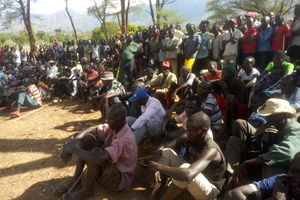
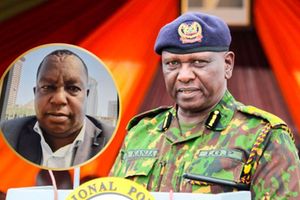
The chain of command has been clearly established, placing National Police Reservists under the authority of Sub-County Police Commanders and Officer Commanding Stations.
Many see this initiative, alongside improved coordination among stakeholders and robust enforcement of security measures, as a critical step towards lasting safety and renewed confidence for those traveling through the troubled corridor.