‘I thought I was too young to have high blood pressure’
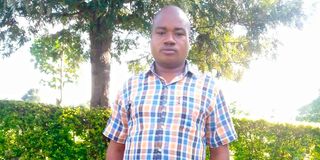
Vincent Kipkorir discovered he was hypertensive four years ago.

What you need to know:
- According to Dr Hasham Mohammed, a consultant cardiologist at Aga Khan University Hospital, hypertension is a Non-Communicable Disease (NCD) and the most common cardiovascular disease in Africa.
- “About 25 per cent of Kenyan adults are suffering from hypertension, a primary cause of stroke, hypertensive heart disease, hypertensive kidney failure and coronary artery disease, which could eventually lead to death if not properly managed,” he says.
His eyesight got worse by the day. By the time Vincent Kipkorir, a resident of Kericho County, drove himself to an eye care facility, his vision had become hazy and blurry. He was also experiencing unusual sensitivity to light.
“It is a problem that I had lived with for more than a decade, even during my college days, but it got severe with time. There were times I could not see the board or TV clearly. I thought I was short-sighted. Whenever I had headaches, I would take a lot of water thinking that I was dehydrated,” he says.
As he sat at the hospital’s waiting bay, he supposed that he would go home with eye drops or glasses so he was shocked when the ophthalmologist asked if he had been accompanied by somebody else after running tests on him.
“The lab tests showed I was diabetic and hypertensive. My blood pressure was above the normal range and the doctor prescribed an immediate IV drip treatment.” Shocked by the news, he hurriedly left the hospital.
“I remember sitting in a restaurant, a drink at hand thinking about those results. I was in denial at first. ‘I am only 30, how can I be diabetic and hypertensive’? At that moment, I feared death.”
According to Dr Hasham Mohammed, a consultant cardiologist at Aga Khan University Hospital, hypertension is a Non-Communicable Disease (NCD) and the most common cardiovascular disease in Africa.
“About 25 per cent of Kenyan adults are suffering from hypertension, a primary cause of stroke, hypertensive heart disease, hypertensive kidney failure and coronary artery disease, which could eventually lead to death if not properly managed,” he says.
The World Health Organization states that NCDs kill 41 million people each year, equivalent to 71 per cent of all deaths globally, and 17.9 million people die annually due to cardiovascular diseases.
“Although one of the risk factors of hypertension is genetics—I hear that both my father and grandfather had the disease — the diagnosis was a cue that I needed to check on my weight, which reflected unhealthy dietary and exercise habits. Back then, I consumed a lot of nyama choma, fries and flavoured drinks and sodas,” says Vincent.
Dr Hasham says processed foods and those fried in saturated fats are catalysts of hypertension disease. “This is further coupled with obesity, lack of physical activity, and heavy intake of salts.”
According to Dr Anthony Gikonyo, a cardiologist at Karen Hospital, the biggest challenge when it comes to hypertension is that by the time you are getting the signs, the blood pressure is already very high. “This is why we encourage people to get screened at least once a year to avoid complications such as stroke and kidney failure.”
With encouragement from his doctor friend that the condition can be managed, Vincent, who is now 34, sought treatment and has been on medication since.
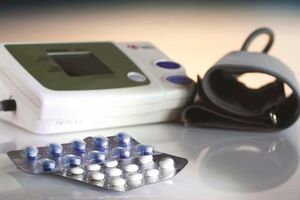
“I was given a machine to measure my blood pressure and medicine to reduce cholesterol in the body. Back then, I weighed more than 110kgs and I have since cut more than 10kgs. I also exercise a lot, keep myself busy and try to be at peace with everyone—anger and stress can exacerbate the disease.”
Besides this, he shares that the first step into leading a normal life is accepting the lab results. “If you continue living in denial or downplaying the disease, it could raise your risk for a heart stroke. In my case, I have to quit salt, cut my food portions and consume a lot of greens. Further, I programme my life around the hours that the medicine should be taken, which is an hour before my meals,” he offers.
Debunking some misconceptions around hypertension, Dr Gikonyo says although hypertension is not very common among young people, it does not mean that they cannot be hypertensive. “There is also a misconception that hypertension is a disease that only affects people who are overweight.”
One of the things that people don’t know about hypertension, Dr Gikonyo says, is that they need to be screened yearly. “They also need to reduce salt and carbohydrates intake because it directly affects your weight. Some pain medicines like brufen and diclofenac can cause your blood pressure to go up,” explains the doctor.
Covid-19 and hypertension
The Covid-19 pandemic disrupted daily life and routine medical care, including screening and treatment for hypertension.
A study published in December 2021 in the Journal Circulation revealed that there was a rise in blood pressure among adults during the first two years of the pandemic.
For Vincent, travel restrictions and financial constraints, a negative effect of the pandemic, meant digging deeper into his pockets to access medication.
“For some time I had to use courier services for delivery and the cost went higher than before. I spend Sh115 every day on the medicine and considering the diet change, there are many people who cannot afford it. Thankfully, some organisations such as Kenya Diabetes Management Centre often times donate medication to us.”
Dr Hasham says even with the government subsidising the cost of treatment in public hospitals, managing hypertension has not been easy. “Most of the cases are from poor resource settings living below Sh100 a day. For such, there is a case of balancing between basic needs and seeking healthcare,” he says.