Cancer-causing agents detected in nicotine pouches targeting Kenyan youth
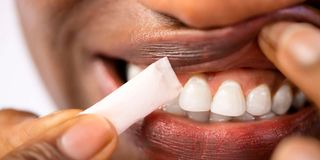
Approximately 244,000 adolescents and 2.3 million Kenyan adults currently use tobacco or nicotine products.

What you need to know:
- The findings undercut the industry's "harm reduction" narrative, which frames e-cigarettes, vapes, and heated tobacco as safer alternatives to cigarettes, and point to a booming global market that public health experts fear is fuelling a fresh addiction epidemic among children and young people.
Cancer-causing agents have been detected in oral nicotine pouches, raising fresh alarm over health risks facing a new generation of young users now squarely in the sights of multinational tobacco companies' marketing efforts.
A global brief by tobacco industry watchdog STOP found that independent researchers had detected tobacco-specific nitrosamines, carcinogens normally associated with traditional tobacco products, in some pouch brands, along with formaldehyde and toxic chromium.
Nitrosamines can metabolise and react with DNA, causing genetic mutations that can trigger cancer in the liver, stomach, oesophagus, lungs, and bladder.
Formaldehyde irritates the gums, accelerating blisters and inflammation, while regular use can lead to chronic mouth soreness, delayed healing, and open sores. Toxic chromium causes severe gastrointestinal damage, organ failure, DNA mutations, and increased cancer risk.
The findings undercut the industry's "harm reduction" narrative, which frames e-cigarettes, vapes, and heated tobacco as safer alternatives to cigarettes, and point to a booming global market that public health experts fear is fuelling a fresh addiction epidemic among children and young people.
The report also reveals that some pouches deliver more nicotine than cigarettes. While most cigarettes contain 10–12mg of nicotine, of which about 1–2mg is absorbed during use, pouches range from less than 2mg to nearly 50mg or more. Research suggests a 4mg pouch delivers nicotine similar to a cigarette, while 8mg and higher deliver significantly more.
Nicotine consumption rises further when users consume multiple pouches at once, a practice known as "stacking" or "multi-packing." Labelling is often unclear and not standardised, with some packages showing mg per pouch and others mg per gramme, making comparison difficult for consumers, the report says.
The report singles out Kenya alongside Nigeria and the Philippines as a priority target for tobacco firms expanding into low- and middle-income countries with young, fast-growing populations. That expansion has come with heavy political pressure. Because nicotine pouches contain no tobacco leaf, they often fall into regulatory grey areas. STOP's report says tobacco companies have lobbied aggressively in Nairobi, even threatening job losses and business closures if the products are banned or subjected to strict health warnings.
Weak regulation and aggressive marketing have pushed global sales of nicotine pouches up by 660 per cent since 2020, with an estimated 34 billion pouches sold in 2025 alone. Three companies: Philip Morris International, British American Tobacco, and Altria control more than three-quarters of the market.
The picture in Kenya is just as troubling. The 2024 Data on Youth and Tobacco in Africa study found children experimenting with nicotine pouches, e-cigarettes, and heated tobacco products from as young as nine years old.
Some 6.5 per cent of adolescents surveyed, roughly 622,000 young people nationwide, said they had used a tobacco or nicotine product at least once, while 2.5 per cent (about 244,000) were current users. Boys were twice as likely as girls to have ever used these products (8.8 per cent versus 4.2 per cent). The gap was wider between in-school and out-of-school youth, with 17.7 per cent of out-of-school adolescents being current users, compared to just one per cent of those still enrolled.
Researchers say peer pressure, family habits, and curiosity all play a role, but pouches and e-cigarettes have particular appeal to children because of packaging designed to attract young people. Enforcement is almost non-existent: 94.6 per cent of young people surveyed said they faced no obstacles buying these products, with only 5.4 per cent ever turned away.
Much like the early vaping boom, pouches are marketed heavily on social media through influencers, linked to romance and active lifestyles, and sold in youth-friendly fruit and candy flavours. Their discreet design, tucked between lip and gum, makes them easy to use covertly in schools and other places where smoking is banned.
"This is yet another case of consumers paying tobacco companies to be part of a real-time experiment that will likely lead to addiction and health risks, especially among children and young people," said Dr Sophie Braznell, a research associate at the University of Bath's Tobacco Control Research Group and co-author of the STOP brief.
"Concerning trends are emerging that show increasing poly-use of nicotine pouches alongside other tobacco and nicotine products, and nicotine pouches being sold at ever-higher nicotine strengths," she added.
The long-term health effects of pouch use are still not well understood, but regular use has already been linked to gum disease and white lesions on the gums. Many products carry unclear or misleading labelling on nicotine strength, leaving young users at risk of consuming dangerously high doses without realising it. Health officials say there is still insufficient independent evidence to support claims that pouches help smokers quit.
Jorge Alday, director of STOP at Vital Strategies, warned that governments need to act before the trend escalates further.
"Nicotine pouches are starting to look like little seeds of an epidemic that tobacco companies are planting everywhere, even as the world continues to grapple with the effects of the current cigarette and e-cigarette epidemics," he said. "Clearly, the next generation is firmly in the industry's sights.
Nicotine pouch marketing today looks a lot like what we saw 10 years ago before the youth vaping epidemic took off. We should be acting now to prevent history from repeating itself."
Health advocates from the Kenya Tobacco and Nicotine Tax Coalition are urging the government to ban flavoured pouches, restrict youth-targeted retail placements, enforce plain packaging, and resist industry interference in policymaking.
"The tobacco and nicotine industry is no longer simply selling products," said Prisca Githuka from the Kenyan Network of Cancer Organisations. "It is selling addiction masked in flavours; it is selling disease and death covered in attractive packaging. It is marketing an image that portrays nicotine addiction as fashionable, harmless, and part of a modern lifestyle. The objective is to remove the fear associated with tobacco and nicotine use, normalise nicotine consumption, and ultimately create lifelong customers."
Speaking on the proposed law, Celine Awuor of the International Institute for Legislative Affairs emphasised that Kenyans deserve protection from addiction and that the Tobacco Control (Amendment) Bill introduces practical, reasonable, and evidence-based public health measures.
"The bill brings nicotine pouches, electronic cigarettes, and other emerging nicotine products under the regulatory umbrella of the Tobacco Control Act for the first time," Awuor said. "It would prohibit additives and characterising flavours such as fruit, spice, herbs, and candy that make these products attractive to children and young people, while also requiring child-resistant and tamper-proof packaging."
"The bill will also limit nicotine concentrations in nicotine-containing liquids, prohibit disposable e-cigarettes, often the cheapest and most accessible products for young users, increase health warning requirements from 30 per cent to 75 per cent of the principal display area, extend pictorial health warnings to all tobacco and nicotine products, and restrict sales within 100 metres of facilities primarily serving children," she added.
The Tobacco Control (Amendment) Bill, 2024 (Senate Bill No. 35) recently passed the Senate and is currently under consideration by the National Assembly's Departmental Committee on Health, where it is undergoing stakeholder review and public participation.