Christmas in the maternity ward: One nurse, 14 years and hundreds of deliveries
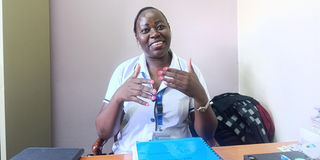
Ms Faith Odhiambo, maternity unit in charge at the Jaramogi Oginga Odinga Teaching and Referral Hospital.

What you need to know:
- As families travel and celebrate, Kisumu’s main referral hospital records a surge in expectant mothers, many arriving with complications ranging from preeclampsia and malaria to injuries and domestic violence.
- For nurses like Faith Odhiambo, Christmas is one of the busiest—and most emotionally taxing—times of the year.
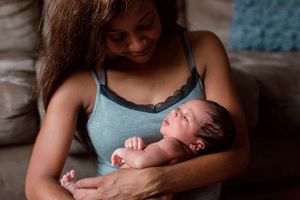
They call them baby Jesus—the infants born on December 25 at Jaramogi Oginga Odinga Teaching and Referral Hospital in Kisumu. Faith Odhiambo, a maternity nurse at the facility, has delivered as many as 20 of them on a single Christmas Day.
It is one of the greatest joys of her job. But it can also be the source of her deepest anguish. “Our most trying moment as maternity nurses is delivering news to a mother that her baby died,” she says. “How do you tell a mother that her baby Jesus is dead?”
For 14 years, Faith has worked in the maternity wing, helping hundreds of pregnant women bring life into the world. She has done so through weekdays and weekends, holidays and holy days. She has seen sunrise deliveries and midnight emergencies. She has witnessed the elation of first-time mothers and the grief of those who leave the ward with empty arms.
Every December, when the rest of the country slows down to celebrate, her work intensifies.
When festive season brings more mothers
The maternity wing at Jaramogi hospital attends to between 600 and 700 mothers each month—women either delivering or presenting with pregnancy-related complications. In a busy week, the hospital can deliver over 100 babies.
But during the festive season, those numbers climb higher. “The numbers are likely to skyrocket as families move to the countryside to celebrate with their loved ones,” Faith explains.
Women who travel to the countryside sometimes go into unplanned labour far from their regular healthcare providers. Some are rushed to the maternity wing after boda boda accidents or from discomfort after travelling on the motorcycles.
Others present with gastroenteritis and diarrhoea from food eaten at celebrations. Some arrive after contracting malaria in Western Kenya, an endemic region. And some, Faith notes quietly, come in after domestic violence sparked by disagreements over family finances.
“We have had cases of women in transit from Uganda admitted at our maternity section, either sick or ready to deliver,” she says.
This year, the hospital—recently elevated to level six status—is projected to receive even more expectant mothers due to expanded services.
Department where you may not see the sun
On an ideal day, Faith's shift begins before 7.30am. But there is rarely such a thing as an ideal day. “On many occasions, I am welcomed into the facility by an emergency case at the maternity entrance,” she says.
Being a referral hospital, cases continue building throughout the day—and sometimes deep into the night. “This is one of the hospital departments where you are likely not to see the sun for days. You come before sunrise and leave after sunset,” she says. “At times, it is equally very light when we do not have many mothers referred to our facility.”
In 2023, Kisumu County directed that all critical pregnant mothers be referred to Jaramogi to prevent maternal deaths. The decision followed a surge in expectant mothers presenting with preeclampsia, a dangerous hypertensive disorder in pregnancy.
“That year, we received more than 200 mothers with the condition. In the last financial year, we saw more than 940 sick mothers with hypertensive disorders,” Faith says. “I am glad to reveal that 99 per cent of the cases referred to our facility leave in good health. We have sadly lost some due to late referrals.”
Challenges they navigate
The festive season brings its own complications. Staff numbers shrink as some nurses are relieved from duty to spend time with their families. Women arrive at the emergency section without national identification cards, birth plans, antenatal care booklets, or accompanying relatives—the chaos of unplanned labour catching everyone off guard.
“With the Social Health Authority, we need the women to have their identification cards to avoid challenges around billing when it is time for discharge,” Faith explains. “There have been cases where we are forced to trace a woman's family through our social services department.”
To manage the season, she prepares duty rosters ensuring adequate nurses are available at every shift. “On each festive season, we always organise ourselves in a way that each of us has a chance to either celebrate New Year or Christmas with loved ones, in shifts,” she says.
The facility has also equipped all emergency response staff to handle the expected surge.
Moments that make it worthwhile
Despite the long hours and heavy caseload, Faith speaks of her work with unmistakable pride. “I derive joy from seeing happy women exit the facility with their healthy babies,” she says.
The festive season brings its own rewards. Well-wishers visit new mothers, donating food and baby items. The hospital is decorated to put patients in a celebratory mood. Christmas carols play in the corridors.
And then there are the baby Jesuses—the newborns who take their first breath on the same day the world marks another birth in a manger, two thousand years ago.
Nurse's message to expectant mothers
As families prepare to travel and celebrate, Faith has a word for pregnant women. Carry your national identity card at all times. Maintain your antenatal care clinic visits. Do not listen to misleading information from those around you. If you are travelling to malaria-endemic areas, sleep under treated mosquito nets.
“As we celebrate, I would like to urge women not to forget to get dewormed, religiously take their iron and folic acid supplements, and report to any health facility in case of any discomfort,” she says. “The hospital does not always have to be the place where you have been attending routine antenatal visits.”
For Faith, Christmas will be spent where it has been for the past 14 years—in the maternity ward, helping mothers meet their babies for the first time. Some of those babies will be called Baby Jesus. And if all goes well, every one of them will go home alive.