Could green trade be the catalyst for Africa’s economic growth and environmental protection?
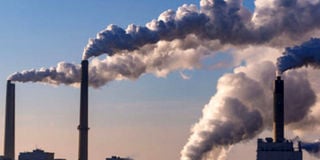
Carbon emission into the environment.

What you need to know:
- Green goods encompass solar panels, wind turbines, energy-efficient appliances, clean transport systems, and carbon capture technologies.
A recent International Monetary Fund (IMF) study highlights the potential for increased trade in "green goods", technologies and products designed to significantly lower carbon dioxide emissions embedded in traded goods and modestly improve air quality across Africa. The study introduces the Green Practices Index, a tool that combines trade data with environmental policy indicators to guide countries along climate-aligned development pathways.
Green goods encompass solar panels, wind turbines, energy-efficient appliances, clean transport systems, and carbon capture technologies.
Beyond environmental advantages, green trade offers considerable economic opportunities. The Organisation for Economic Cooperation and Development (OECD) projects that circular economy models could generate up to US dollars 4.5 trillion globally by 2030. While Africa's share of this growth would be smaller in absolute terms, expanding sectors such as waste management, recycling, repair services, and renewable energy deployment could create jobs more resilient to commodity price volatility and external economic shocks.
Although Africa contributes the least to global carbon emissions, it remains highly vulnerable to climate impacts, with changing weather patterns affecting agriculture, energy supply, and food security. The IMF study estimates that expanding green trade could reduce emissions embedded in traded goods by amounts comparable to total domestic production emissions in some countries, while achieving an approximate 1 per cent reduction in ambient fine particulate matter (PM2.5) pollution continent-wide. These figures reflect medium-term projections rooted in shifts in trade and policy, rather than immediate, continent-wide absolute emissions reductions.
The Green Practices Index provides a nuanced benchmark of national progress by integrating indicators such as renewable energy adoption, fossil fuel phase-out policies, waste management, PM2.5 reductions, and ecological footprint measurements. Although it enhances previous sustainability indices by encompassing policy and trade dimensions, it complements rather than replaces existing tools and remains an evolving framework to support climate-aligned development in Africa.
Kenya exemplifies how green trade and industrial policy increasingly frame economic strategies. Launched in 2023, the Africa Green Industrialisation Initiative aims to position Kenya as a regional manufacturing hub for clean technologies. Recent investment pledges exceeding US$1 billion focus on geothermal-powered data centres and energy-efficient production facilities, underscoring this strategic commitment.
Kenya leads Africa in renewable electricity generation, with over 90 per cent derived from renewable sources. Geothermal energy accounts for approximately 44 per cent of the national electricity mix, supplemented by hydropower, wind, and solar power. Policy incentives, including import duty waivers and VAT exemptions on solar equipment, have accelerated clean technology adoption. Additionally, mini-grid components and pay-as-you-go solar system exports are expanding, especially to neighbouring East African countries.
Kenya is also witnessing growing innovation in the circular economy. Small and medium enterprises (SMEs) across the packaging, textiles, agro-processing, and electronics sectors increasingly apply reduce-reuse-recycle (3R) principles. Evaluations of the SWITCH Africa Green program reveal that participating enterprises have achieved substantial waste reductions and operational efficiencies, with many revenue and job creation reporting increases connected to circular practices.
Similar developments are underway in neighbouring Tanzania and Uganda, where green trade gains momentum through investments in solar-powered irrigation, energy-efficient farming, and clean cooking technologies. Regional initiatives seek to harmonise sustainability standards, enhance certification systems, and expand renewable energy trade, fostering a more integrated and sustainable East African economy.
Yet, significant challenges persist. High upfront capital costs, limited access to affordable finance, and infrastructural deficits hinder the expansion of circular industries and clean manufacturing. In Kenya, recent inflation and proposed eco-levies have sparked concerns among local producers about competitiveness. While international climate finance is increasing, concessional funding and blended investment approaches remain crucial to mitigate early-stage investment risks.
As a timely policy instrument, the Green Practices Index helps African governments benchmark progress, identify gaps, and align interventions with climate and development targets. It also enables investors and development partners to recognise countries making credible strides in their clean transition pathways. This index reinforces Kenya's emerging status as a green leader, supported by its strengths in geothermal energy, clean technology infrastructure, circular economy innovation, and nature-based solutions, positioning the country to attract international partnerships and climate financing.
More broadly in East Africa, the index fosters regional policy coordination on issues such as cross-border grid integration, waste management strategies, and harmonised manufacturing standards for green products. Such cooperative approaches will be vital to ensure equitable green trade benefits and prevent fragmentation or uneven development across countries.
As countries confront mounting pressure to deliver effective climate action without hampering economic growth or exacerbating inequality, expanding trade in green goods, underpinned by circular economy policies and regional cooperation, offers a promising pathway to reconcile these objectives. The IMF encourages policymakers to move beyond isolated pilots and embed sustainability deeply within trade and industrial strategies, capitalising on Africa's opportunities to leverage green trade for resilient and inclusive growth.
[email protected]