Hello
Your subscription is almost coming to an end. Don’t miss out on the great content on Nation.Africa
Ready to continue your informative journey with us?
Hello
Your premium access has ended, but the best of Nation.Africa is still within reach. Renew now to unlock exclusive stories and in-depth features.
Reclaim your full access. Click below to renew.

Ebola's silent chains: How one outbreak is traced and stopped
By Bilha Achieng | Layout by Geoffrey Onyambu
Published Oct. 16, 2026
The journey that led him to become Kenya’s first identified Ebola patient began weeks before he arrived in Nairobi. After falling ill in the Democratic Republic of Congo, where he had lived for seven years, he sought treatment at several hospitals before travelling by road to Kampala.
On Saturday, October 3, he boarded Jambojet flight 8523 to Nairobi, landing at JKIA at 1.10pm.
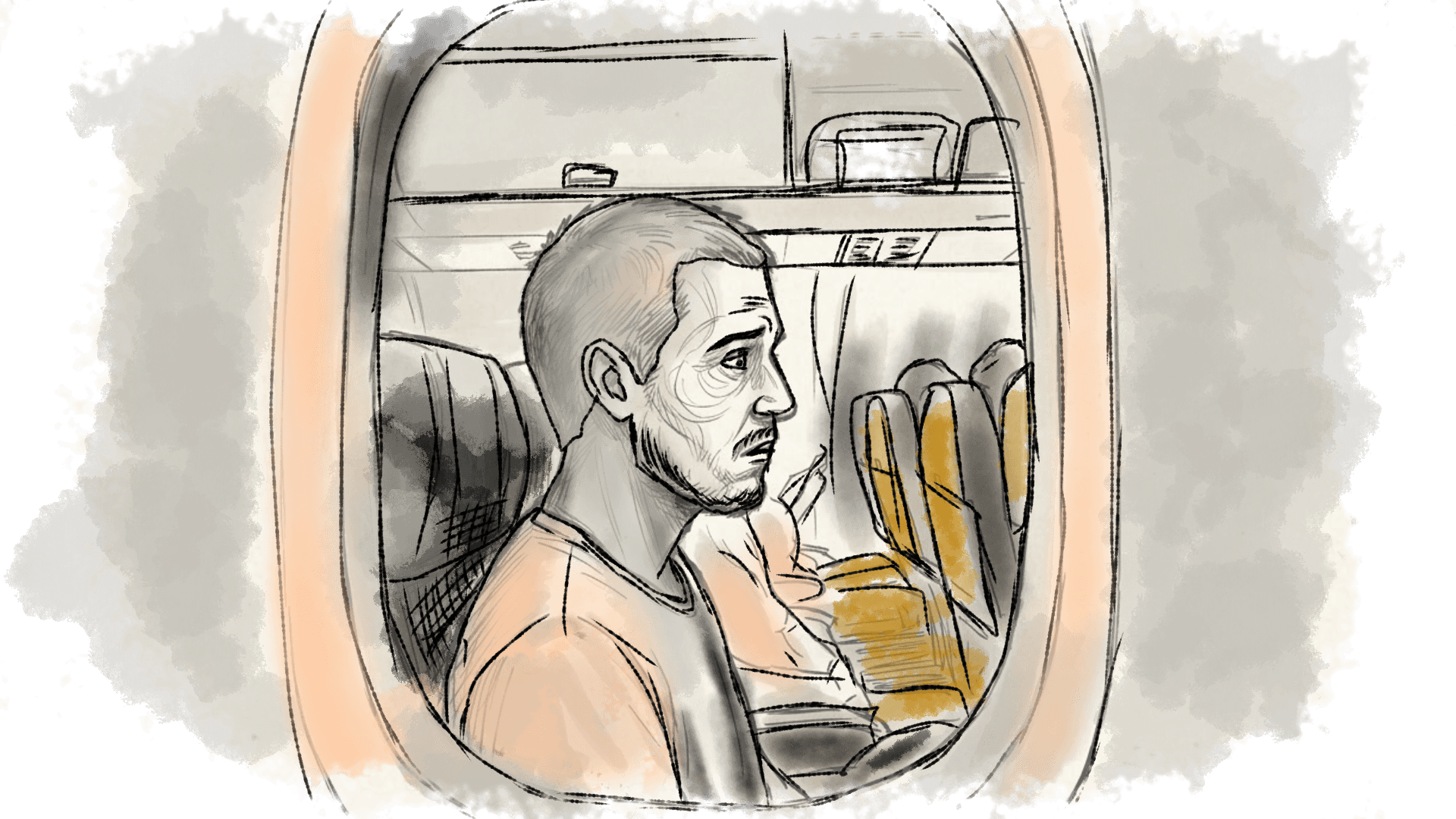
Stepping off the plane in Nairobi, Patient Zero is carrying an uninvited, silent passenger.

By the time he touches down, he is already feeling feverish and extremely weak.
Tests on samples collected from him confirmed Bundibugyo Ebola virus disease, marking Kenya’s first confirmed imported case.
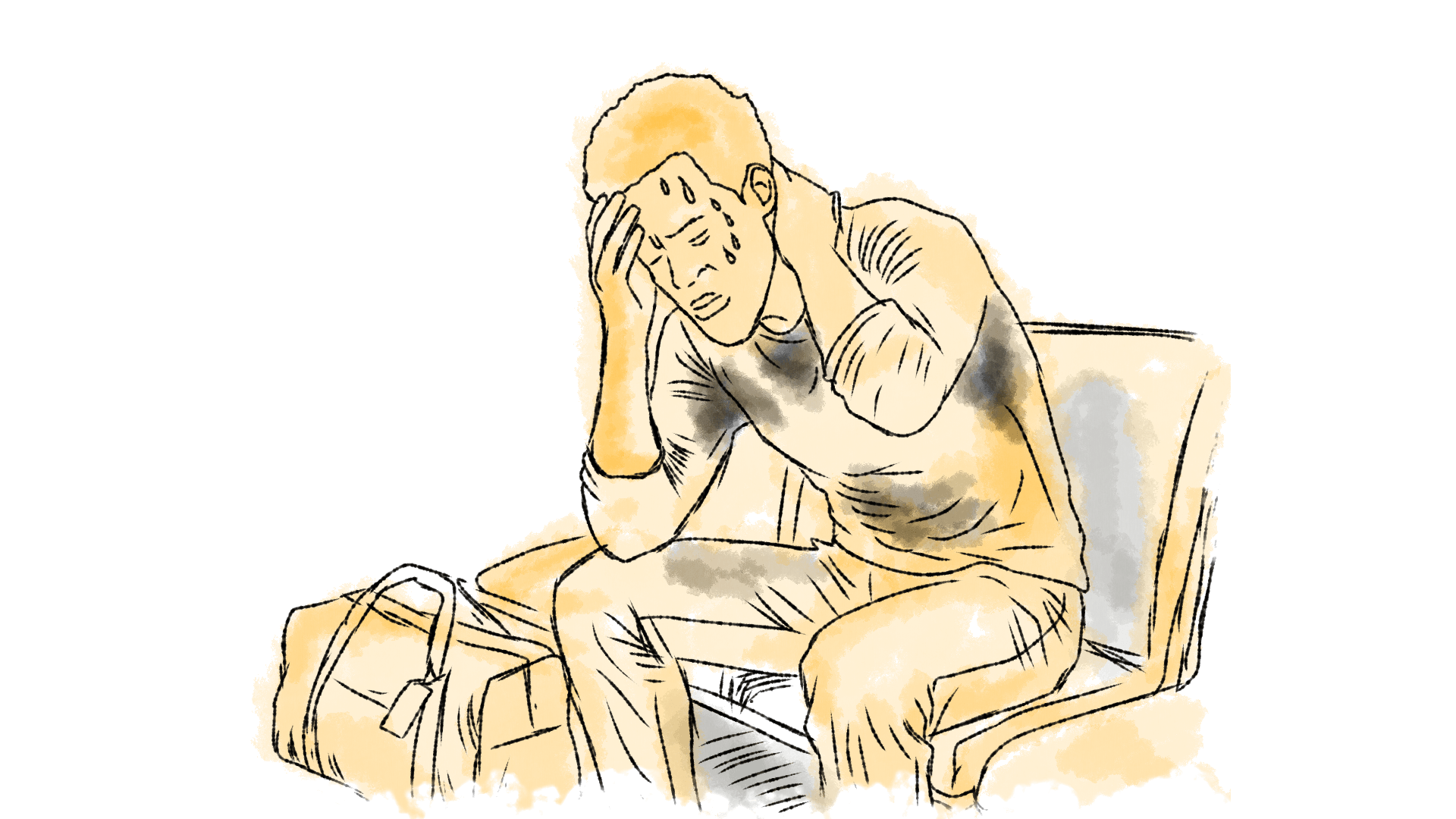
Despite receiving supportive treatment, the patient died at Nairobi Hospital at about 11.30pm on Monday, October 5, just two days after arriving in Kenya.
The Ministry of Health confirmed the case on October 6, triggering contact tracing and an intensified public health response. At least 57 people that Patient Zero interacted with, including airline passengers and medical personnel, have to be traced and put in isolation for 21 days.
How do you contract Ebola?
Ebola is not airborne. You only contract Ebola through direct, broken-skin or mucous-membrane contact (eyes, nose, mouth) with the infectious bodily fluids (blood, vomit, sweat, saliva, stool) of someone who is actively showing symptoms.
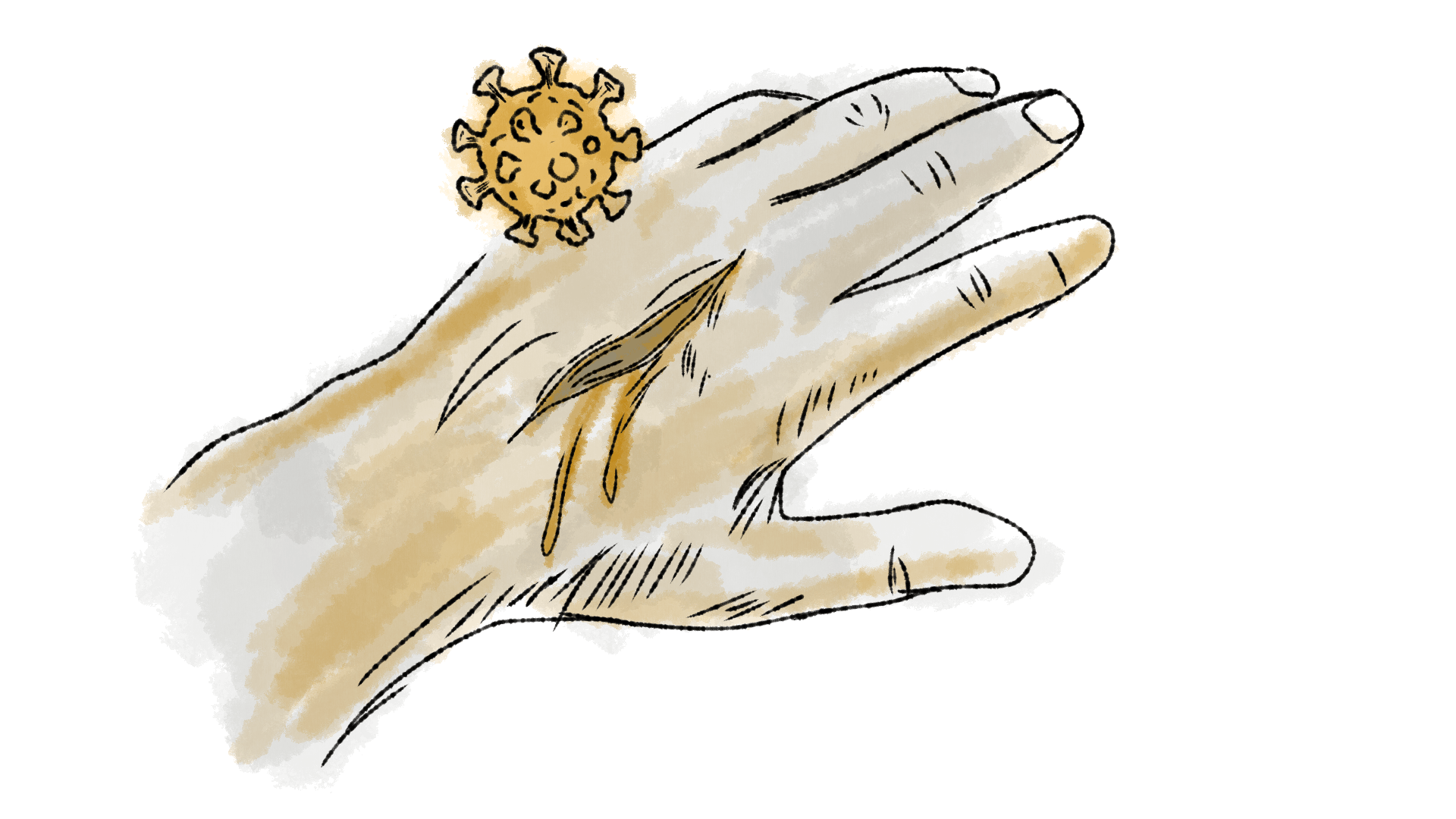
Panic can spread faster than a virus, but Ebola transmission follows a clear pattern. People infected with Ebola are not contagious before symptoms develop. Transmission occurs through direct contact with the blood or other bodily fluids of an infected person who is symptomatic. Anyone who may have been exposed should be identified, screened and monitored by public health officials as a precaution.
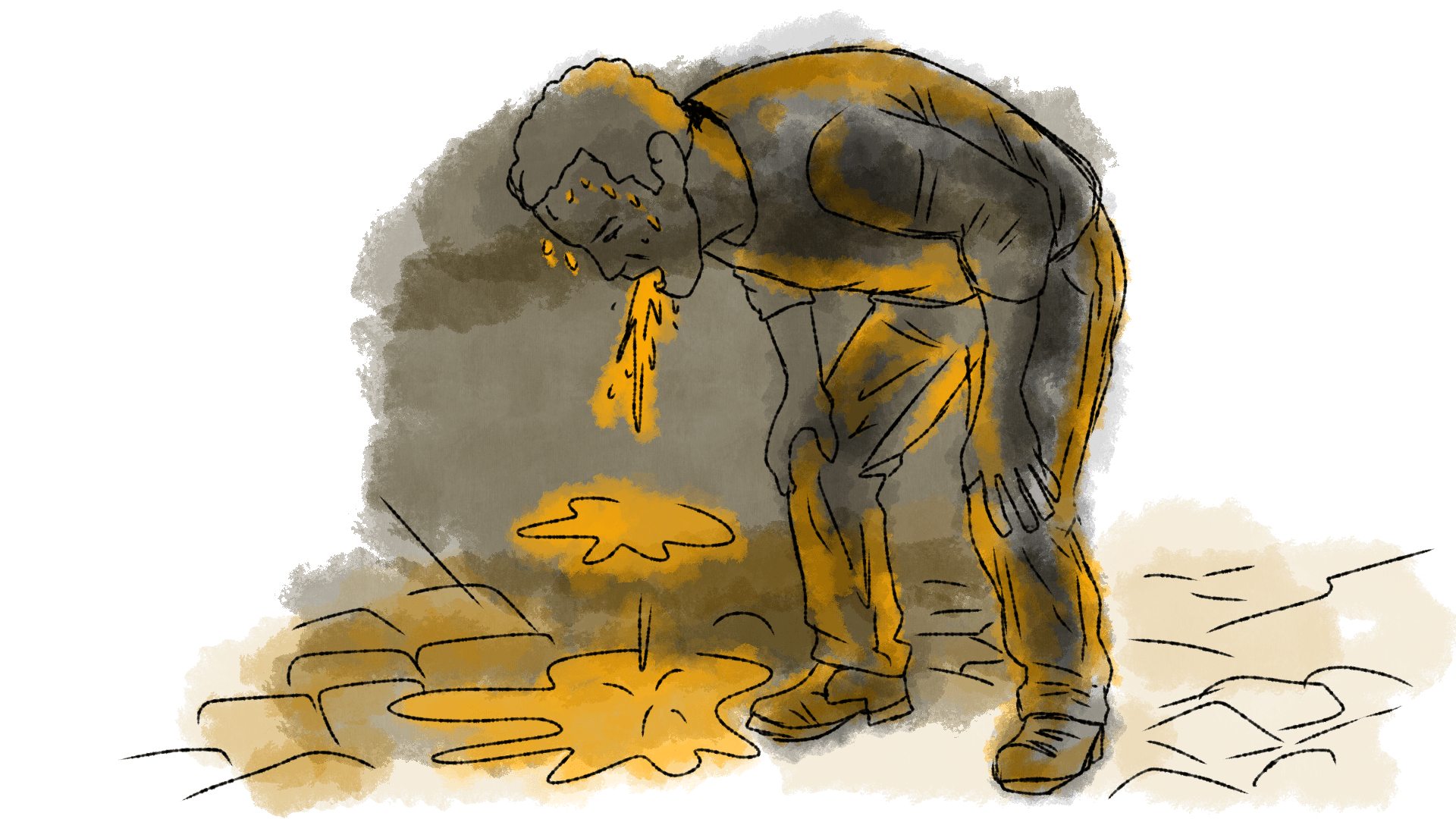
How responders break the chain
The Ebola virus moves through families, clinics and funerals long before it appears in the statistics. Stopping it means finding everyone who has come into contact with an infected person and doing so faster than the virus can travel.
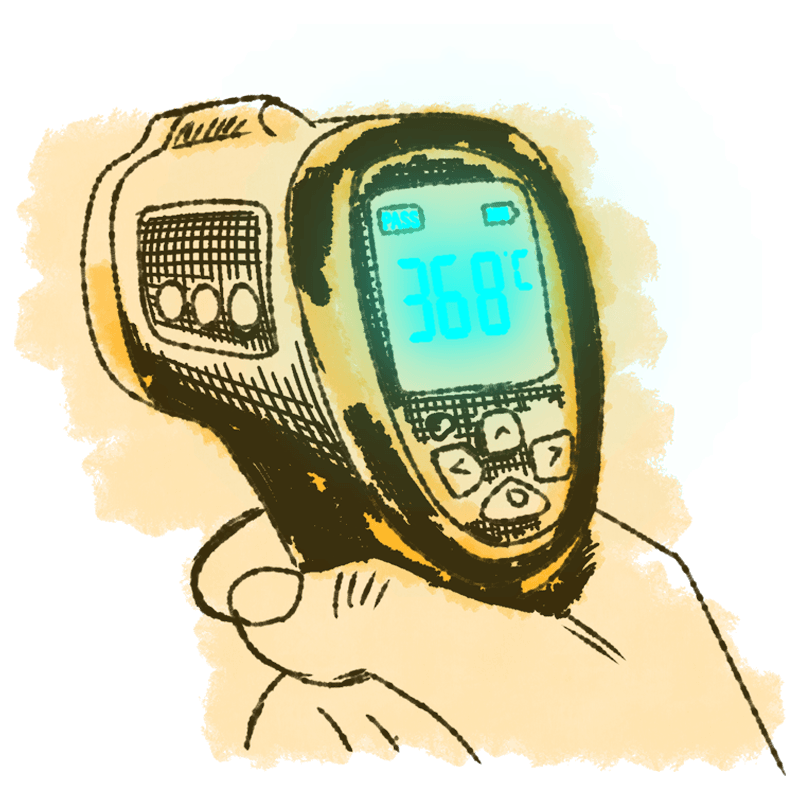
Spot the Signs EarlySymptoms usually begin two to 21 days after exposure and include fever, fatigue, muscle pain and headache. These symptoms resemble malaria or typhoid, so the first indication is often a travel history to endemic zones.
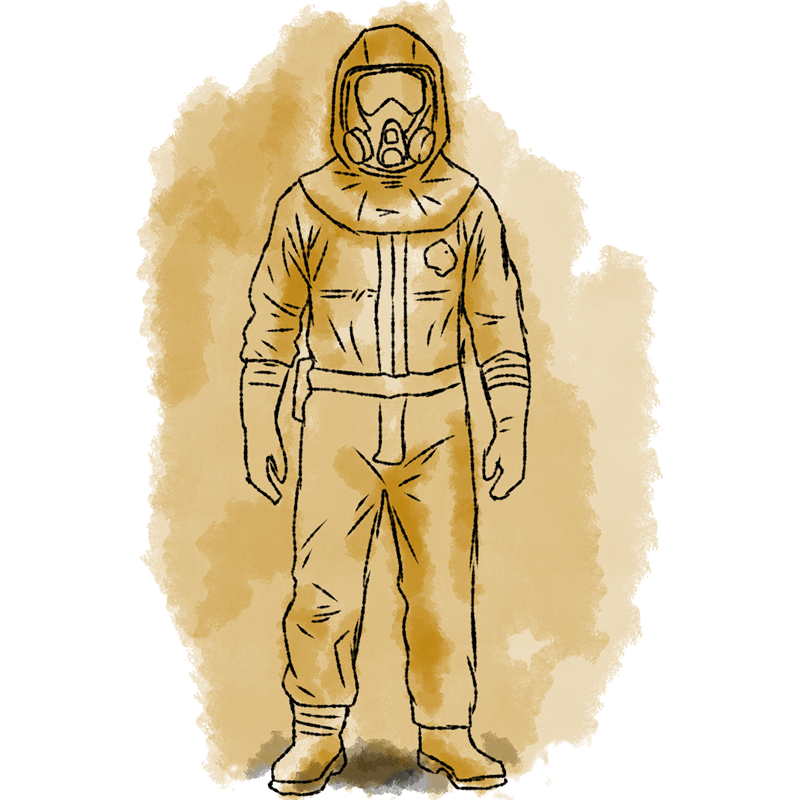
Isolate ImmediatelyIf someone exhibits symptoms, they are safely isolated. Trained medical personnel use full PPE (gowns, masks and shields) when handling patients to ensure zero transmission to doctors, nurses or family members.
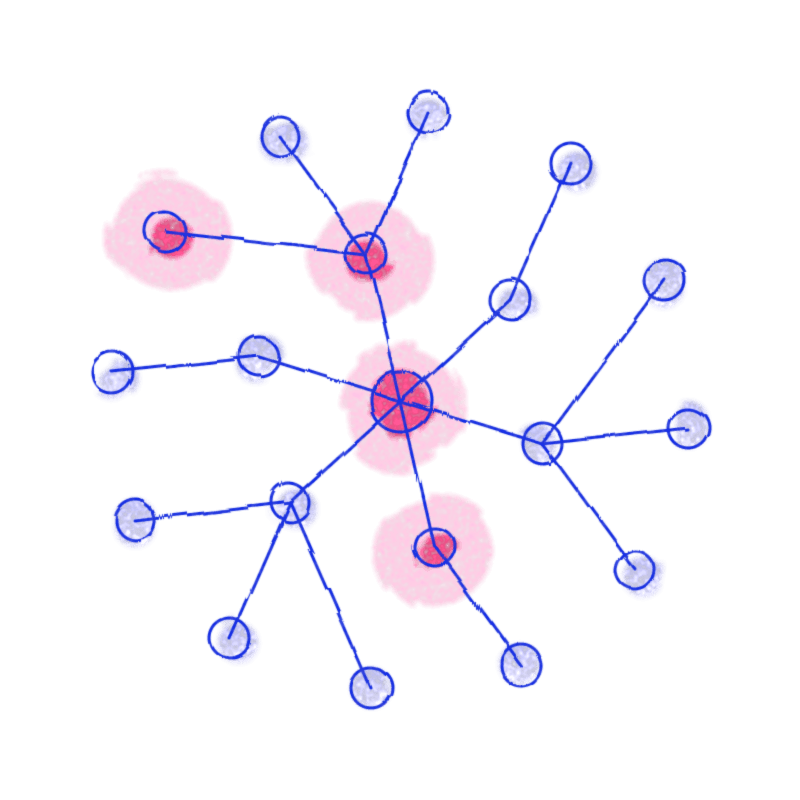
Tracing the chainEvery confirmed case starts a chain. Tracers list each contact and visit them daily. Anyone who develops symptoms is isolated before they can pass the virus on.
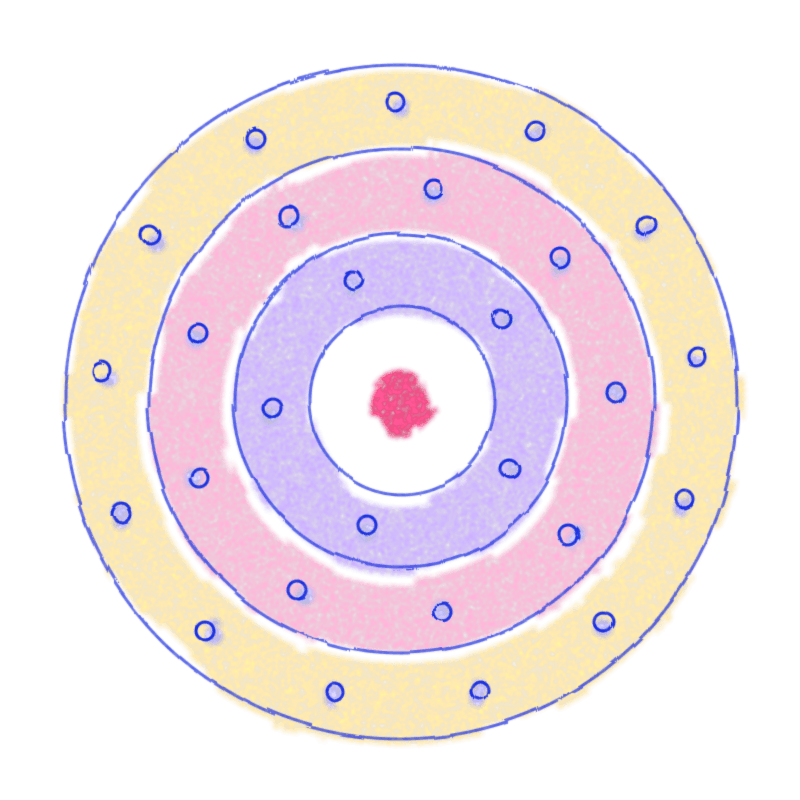
Closing the ringRing vaccination works outward from each case: first the contacts, then the contacts of contacts. Closing the ring leaves the virus with fewer people to reach.
How to keep safe and prevent spread of Ebola
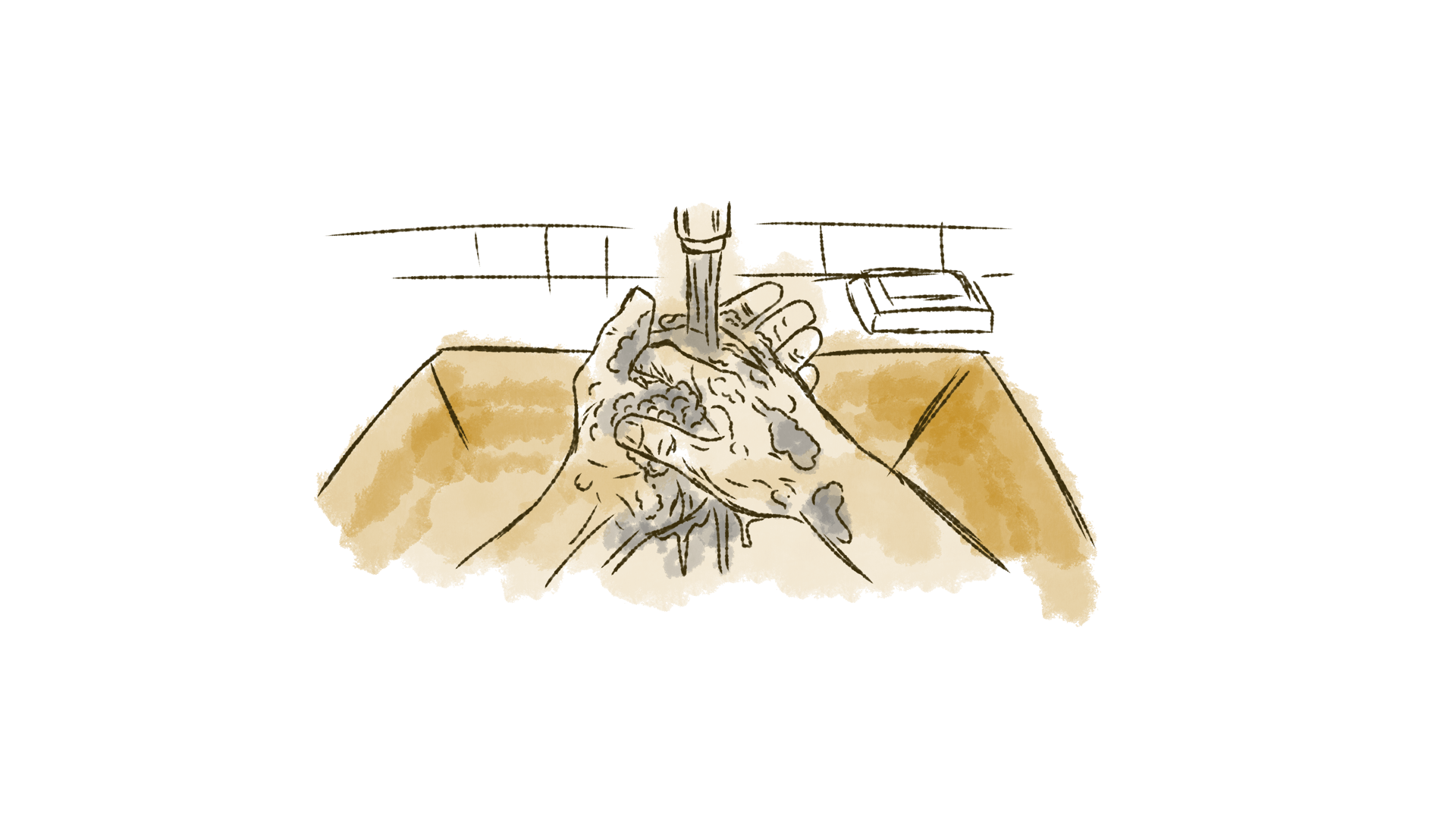
Wash your hands frequentlyUse soap and water or alcohol-based hand sanitisers regularly, especially in public spaces or while travelling.
Avoid contact with bodily fluidsDo not touch the blood, vomit, saliva, urine, faeces or other bodily fluids of a sick person.
Do not handle contaminated itemsAvoid sharing or handling potentially contaminated clothing, bedding, towels, needles or medical equipment.
Report possible exposure immediatelyIf you have had contact with a suspected case, contact a health professional or public health authority promptly, even if you feel well.
Avoid physical contact with suspected casesAvoid touching someone who is ill and may have Ebola. Do not touch the body of someone who has died from suspected or confirmed Ebola.
Recognise symptoms earlySymptoms can include fever, severe weakness, headache, muscle pain, sore throat, vomiting, diarrhoea and unexplained bleeding.
Note: The most effective protection is to avoid contact with suspected cases and contaminated materials, practise good hygiene and seek medical attention promptly if symptoms develop after a possible exposure.
Patient Zero’s case underscores the importance of vigilance, preparedness and public awareness in containing Ebola. While the virus can be deadly, early detection and a coordinated public health response are critical to limiting its spread. Practise good hand hygiene, remain alert to symptoms and report suspected cases promptly to health authorities.
A statement issued by the Ministry of Health indicates that by October 13, it had traced 113 of 128 contacts with 108 of them in quarantine in Kenya and five are outside the country. Search for 15 trace contacts continues.