Family planning crisis: Patients turned away as public clinics run out of contraceptives
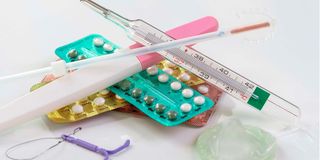
Public health facilities across Kenya. have run out of family planning drugs.

A silent crisis is unfolding in public health facilities across the country. Shelves that once held contraceptives are now empty, forcing healthcare workers to turn away desperate women seeking reproductive health services.
Six months after donor funding was suspended, Kenya’s family planning system is in free-fall, leaving women to bear the brunt.
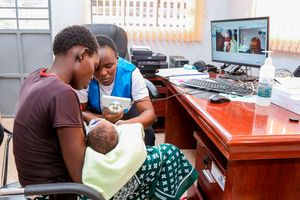
Ms Millicent Navinywa, a healthcare provider at a small dispensary in Kilifi County, faces a daily moral dilemma that leaves her feeling helpless. Her facility has gone four months without a consistent supply of contraceptives.
"I feel bad that I have to send women to buy contraceptives when they don't even have the money. We are creating awareness about safe, reliable, modern contraceptives that are not available. The only option I can offer is a five-year non-hormonal implant, but most women prefer the short-term methods, which I don't have," Navinywa said.
She told Nation that last week, a client pleaded for any available family planning option since she could not afford to buy them from private facilities.
"The client pleaded with me to get her anything because she didn't want to get pregnant,” Navinywa said, adding that even condoms that young men would walk in and pick out of stock.
The crisis extends far beyond Kilifi. In Bungoma, a reproductive health coordinator told the Daily Nation that the situation since donor funding was withdrawn is far worse than the periodic shortages health workers used to face.
Read: Women suffer as contraceptive shortage bites
"Women are getting pregnant because they cannot access contraceptives. I fear that come next year, many women might die from unsafe abortions while the number of young girls getting pregnant might also increase if something is not done," the doctor said.
The doctor said they last ordered 15,000 units of contraceptives, but received only 3,000 units, which have run out.
“Whenever women hear that contraceptives are available, they flock to health facilities, creating a surge in demand. The problem is that supplies usually last only a few months, after which clinics run out of stock—sometimes for as long as six months,” he said.
In Kakamega County, only progesterone is available. Even condoms are out of stock.
“We only have progesterone, which doesn’t work for all women. Many experience side effects, but they have no choice—unless they buy alternatives, which not everyone can afford,” said Maureen Wafula, a nurse.
Many women now seek family planning services from private facilities.
"I feel very bad, many private facilities charge Sh200 for Depo, which most women cannot afford," Ms Wafula said, adding that private health facilities are taking advantage of the shortage by increasing the prices.
Most counties now depend on well-wishers and philanthropic organizations to provide women with family planning commodities while bridging the supply gap.
"Last week, we were in Kilifi County to offer sexual and reproductive health services to women and girls," said Dr Edison Omollo, programmes director at Reproductive Health Network.
USAid supplied Kenya's family planning commodities, but the agency's decision to freeze funding early last year has negatively affected the healthcare system.
Globally, donor funding for contraception had already fallen to its lowest point in nearly a decade when the world's largest donor to sexual and reproductive health programmes suspended support to international family planning earlier this year.
Nearly half (46 per cent) of Kenyan women aged 15 to 49 either do not want more children or would prefer sterilisation, according to the Ministry of Health. Yet their ability to exercise that choice has become increasingly uncertain as stocks of many contraceptives dwindle in public hospitals across the country.
The 2022 Kenya Demographic and Health Survey revealed that arid and semi-arid counties, where food insecurity is already high, also bear the highest unmet need for family planning: Marsabit (38 per cent), Tana River (34 per cent) and West Pokot (30 per cent). These same counties record the country's highest fertility rates, deepening cycles of poverty.
Dr Bashir Issak, Director of Family Health at the Ministry of Health, said family planning funding has been hit by declining donor support, especially from the United States government, which has affected both bilateral and multilateral sources.
"We are mobilising resources from within, from partners, and the procurement process is ongoing," Dr Bashir said.
Follow our WhatsApp channel for breaking news updates and more stories like this.