High cholesterol: The daily choices that rewrite your heart's future
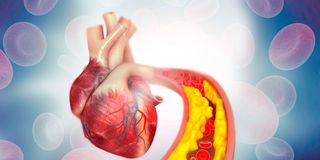
Cholesterol plaque in an artery.
What you need to know:
- People often don’t connect cold feet, numb fingertips, unexplained leg pain, or swelling with circulation issues, but these early signs deserve attention.
Most people discover they have high cholesterol the same way they find out their electricity bill is overdue - not because they noticed anything wrong, but because a routine check-up or a casual hospital visit quietly delivers the news.
There are no warning signs, dramatic symptoms or pain to alert you that something dangerous is unfolding beneath the surface.
You feel fine. You look fine. Life goes on.
Yet inside your blood vessels, a slow and silent story is being written; one that determines whether your heart and brain will thrive for decades or suddenly shut down without warning.
Cholesterol is central to that story, and it’s widely misunderstood. Some believe it only affects those who eat poorly. Others think being slim or active offers full protection.
Yet doctors see the opposite every day: people with normal weight, young professionals, athletes, and even those who rarely indulge in unhealthy foods walk in with cholesterol levels far higher than expected. Genetics plays a powerful role.
Conditions like familial hyperlipidemia, once considered rare, are now appearing more frequently. A person can look perfectly healthy on the outside while their arteries narrow silently on the inside.
In the bloodstream, cholesterol travels in particles called lipoproteins. Low-Density Lipoprotein (LDL) delivers cholesterol where it can lodge in artery walls, while High-Density Lipoprotein (HDL) helps remove excess cholesterol and return it to the liver.
Triglycerides, fats used for energy, can worsen plaque build-up when levels rise too high. Over time, this fatty accumulation hardens, making arteries narrower, stiffer, and more fragile. Blood struggles to flow, and one day, a clot may form at the worst moment. If it blocks a heart artery, a heart attack occurs. If it cuts off blood flow to the brain, it causes a stroke. If it halts circulation to the legs, it becomes acute limb ischemia—a sudden, often devastating emergency.
Doctors often wish more people understood how preventable much of this is. Diet and lifestyle changes remain the most powerful tools for improving cholesterol and circulation. Interestingly, the problem isn’t carbohydrates alone, despite the popularity of extreme low-carb or keto diets. Eliminating carbs entirely can sometimes worsen cholesterol. The real focus should be on the quality of the carbs and fats we eat.
Whole grains, legumes, vegetables, nuts, and fiber-rich foods help lower LDL. The oils we use matter, too. Heart-friendly oils like olive or canola oil maintain their benefits when used properly, while repeatedly reheated or poor-quality oils lose nutritional value and promote inflammation and plaque. Food science has advanced dramatically, yet nutrition still isn’t taken seriously enough in many households.
Exercise is another underrated tool. Simple activities like brisk walking, cycling, aerobics, or swimming strengthen blood vessels, improve circulation, and help shift cholesterol in the right direction.
People often don’t connect cold feet, numb fingertips, unexplained leg pain, or swelling with circulation issues, but these early signs deserve attention. They can indicate peripheral artery disease (PAD), which occurs when leg arteries narrow. PAD is more than a leg problem; it’s a flashing warning that the entire cardiovascular system is under threat. Tobacco, in any form—including vaping—continues to sabotage blood flow. Nicotine tightens blood vessels, damages their lining, lowers blood oxygen, and accelerates clotting. For anyone with high cholesterol, this combination is especially dangerous, turning mildly narrowed arteries into ticking bombs.
Routine cholesterol testing offers a chance to intervene early. Patients are guided on lifestyle adjustments and, when necessary, prescribed medications to reduce the risk of heart attack and stroke. When lifestyle changes aren’t enough, or in cases of genetic conditions like familial hyperlipidemia, medication becomes essential. These drugs do more than improve lab numbers—they stabilise plaque, reduce inflammation, and dramatically lower cardiovascular risk.
Cooking oil
The encouraging news is that cholesterol levels can improve much faster than most people think. Within weeks of changing diet and exercise habits, measurable progress can appear. Within months, the shift can be substantial. Supplements may seem appealing, but many are poorly regulated, inconsistently effective, or interact with medications. Caution is key—natural doesn’t always mean harmless.
High cholesterol and poor circulation are often called ‘silent’, but they aren’t invisible. They appear in our daily choices: the cooking oil on the stove, the meals we prepare in haste, the walks we postpone, the cigarettes we turn to on stressful days, the check-ups we delay, and the family history we ignore because we feel young. Yet these same choices hold the power to rewrite the story entirely.
In a world where heart disease remains a leading threat, taking control of cholesterol isn’t about chasing perfect numbers or living restrictively. It’s about protecting the quiet machinery that keeps everything else moving—the heart beating steadily, the brain functioning clearly, and blood flowing freely to every part of the body. Small, steady changes today can mean years of vibrant, energetic living tomorrow.
Dr Ngunga is a consultant interventional cardiologist at Aga Khan University Hospital


