Deadly drink: How alcohol is fuelling Kenya’s liver cancer crisis
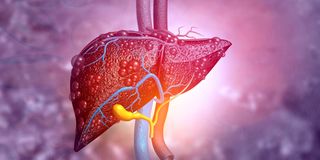
The risk factors for liver cancer in Kenya are alcoholism-induced liver cirrhosis, aflatoxins, and Hepatitis B and C.

Liver cancer will kill at least 2,237 Kenyans aged between 15 and 85 every year by 2050 due to increased alcohol consumption in the country, a new study by The Lancet Commission has projected.
The projection, based on 2025 data from the Global Cancer Observatory published in the Lancet medical journal, warns that liver cancer—the third deadliest of all cancers—will claim significantly more lives unless preventable factors are addressed.
Liver cancer, also known as Hepatocellular carcinoma (HCC), is already a significant health concern in Kenya, particularly affecting males with a peak incidence at 40 years of age, according to the US Library of Medicine.
Dr Elias Melly, CEO at the National Cancer Institute of Kenya (NCIK), confirmed the study's findings on Friday, telling the Nation that the risk factors for liver cancer in Kenya are alcoholism-induced liver cirrhosis, aflatoxins, and Hepatitis B and C.
According to government data shared by Dr Melly, liver cancer was the 11th deadliest cancer in the country as of 2022, with 833 new cases and 819 deaths, as well as a five-year prevalence of 1,372 persons per 100,000 people (2.4 percent).
However, liver cancer is rapidly climbing the ranks of deadliest diseases in Kenya.
"There has been a tremendous increase in the number of liver cases. We are soon going to release the latest comprehensive data for all cancers, which I cannot share for now, but definitely the increase in liver cancer cases is very significant compared to what we had in 2022," Dr Melly told the Nation.
The new Lancet study highlights that globally, cancer cases will nearly double by 2050, killing at least 1.37 million people by mid-century unless preventable factors such as obesity, alcohol and hepatitis are addressed.
The Commission discloses that Africa currently has 73,844 liver cancer cases and projects a 30.2 percent increase by 2050, meaning the continent will have at least 181,010 cases per year within the next 25 years.
The researchers highlight that alcohol consumption—now the most potent driver—is estimated to cause more than 21 percent of all liver cancer cases by 2050, up more than two percentage points from 2022.
"Liver cancer is the sixth most common cancer and the third leading cause of cancer-related mortality globally. The number of new liver cancers will nearly double, from 0.87 million in 2022 to 1.52 million in 2050, if there is no change in the current trend," The Lancet Commission observed.
Scientists note that with the current rate of alcohol consumption in Kenya and globally, new cases of liver cancer—the sixth most common form of the disease—will rise to 1.52 million annually from 870,000 if current trends continue.
They remind countries that six of every ten liver cancers diagnosed globally are preventable through reduction of risk factors such as alcoholism.
"If countries reduced cases by 2 percent annually by 2050, 9 million new cases of the disease could be prevented and 8 million lives subsequently saved. In 2022, 758,725 deaths were caused by liver cancer globally, and 866,136 new cases were diagnosed," the study highlights.
Liver cancer will claim 1.37 million lives by the middle of the century, globally, although three out of five cases could be prevented.
The main risk factors, apart from viral hepatitis, are drinking alcohol and a build-up of fat in the liver linked to obesity, called metabolic dysfunction-associated steatotic liver disease (MASLD), which was previously known as non-alcoholic fatty liver disease.
"MASLD is emerging as a major contributor to the epidemiology of liver cancer, driven by rising obesity and diabetes and ageing populations. About a third of adults worldwide have MASLD; alcohol-related hepatocellular carcinoma is projected to increase from 18.8 percent in 2022 to 21.1 percent in 2050; and metabolic dysfunction-associated steatohepatitis (MASH) is projected to increase from 8.0 percent in 2022 to 10.8 percent in 2050," The Lancet Commission noted.
The study warns that this shift to a broader at-risk population demands attention.
"However, awareness of the emerging importance of MASLD and MASH remains low among healthcare providers and policy makers, impeding timely diagnosis and intervention," the researchers said, calling for more accessible and informed screening.
Alcohol-induced hepatitis
According to the National Authority for the Campaign against Alcohol and Drug Abuse (Nacada) official website, alcohol-induced hepatitis begins quietly, often without symptoms, and many people fail to recognise the damage that chronic heavy drinking may be doing to their liver.
"Drinking too much—on a single occasion or over time—can take a serious toll on just about every organ in the body, and the liver is perhaps the most familiar non-brain target of alcohol-related harm. The liver is especially vulnerable to alcohol-related injury as the chief organ responsible for metabolising alcohol. You are more at risk if you use alcohol heavily over many years," an official explainer states.
Nacada also explains that genetic differences may partially explain this vulnerability, as one is more at risk if there is a family history of alcohol use disorder or liver disease.
"Sex differences also play a part. People assigned male at birth can tolerate more alcohol than those assigned female at birth. There is no specific medical treatment for alcohol-induced hepatitis, and the goal is to reduce liver inflammation, help the liver heal, manage complications, and support the person through recovery. Recovery requires a long-term lifestyle change and quitting drinking alcohol," Nacada urges.
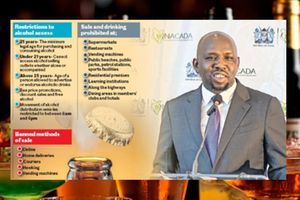
This context makes Nacada's policy roadmap proposal, issued earlier this week, particularly relevant. The proposal revealed that 4.7 million Kenyans aged between 15 and 65 are currently using at least one drug or substance.
The new measures outlined in the national policy target aggressive marketing strategies that have normalised alcohol use. Nacada now wants the government to ban online sales of alcohol, discount promotions, and the use of social media influencers, celebrities, and sports personalities in advertising, among other tough proposals.