School in Kasarani adopts sustainable farming to boost feeding and teach climate-smart farming
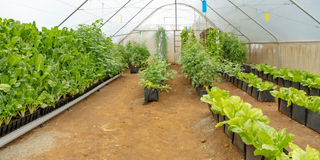
Treeside Special School, in partnership with the Green Generation Initiative (GGI), have put up a functional climate-smart permaculture learning and feeding garden in Kasarani, Nairobi. PHOTO| LEON LIDIGU

What you need to know:
- Treeside Special School in Kasarani, in partnership with the Green Generation Initiative, has launched a fully functional permaculture learning and feeding garden integrating vertical hydroponics, a food forest, and a chicken coop to address food security, nutrition, and climate education for children with special needs.
At the entrance to Treeside Special School in Kasarani, towering trees offer a first glimpse of the change taking place inside. The school is driving a significant shift in how it supports its students.
The school, in partnership with the Green Generation Initiative (GGI), have been putting up a fully functional permaculture learning and feeding garden.
Permaculture is a design system for creating sustainable human settlements and land management practices inspired by the patterns and relationships found in natural ecosystems.
It emphasises working with nature rather than against it, focusing on long-term sustainability and resourcefulness.
“This project integrates vertical hydroponic gardens, a food forest, and a chicken coop, aiming to address food security, nutrition, and climate education for children with special needs,” says Elizabeth Wathuti, a climate leader and the founder of GGI, an action-driven organisation working with children, young people, and local communities to protect, restore, and conserve the environment.
Treeside Special School serves children with special needs, and it brings us so much joy to see the real impact our initiative is already having,” she says while noting that the chicken coop is now providing more than 6,000 eggs every month, ensuring a reliable protein supplement for the school’s feeding programme.
The vertical hydroponic garden, she explains, is already producing harvests, and at peak, will yield up to 20 kilogrammes of a wide variety of nutritious vegetables per day.
According to Ms Wathuti, this project is not just feeding children; it’s also teaching them climate-smart agriculture (CSA), a holistic approach to farming that aims to boost food production, enhance resilience to climate change, and reduce greenhouse gas emissions.
The Food and Agriculture Organisation recommends that the approach be implemented through five action points, which include expanding the evidence base for CSA, supporting enabling policy frameworks, strengthening national and local institutions, enhancing funding, and financing options and implementing CSA practices at the field level.
“We aim to replicate this in 100 more schools across the country,” Elizabeth notes.
Salome Iyang’an, Treeside Special School principal, says the initiative also supports school income generation, with surplus eggs being sold to support operational needs.
“At Treeside, we value life and education, but we face challenges because meeting the nutritional needs of our learners is difficult due to limited funds, and now this project has solved that problem,” she said, further explaining why a balanced diet is important for children, especially amidst a devastating climate crisis.
But how did this partnership towards climate action begin?
“The first time we set foot in this special needs school a few years ago, we quickly noticed they were doing a lot in terms of conserving the environment.
Fred Mwithiga, the co-founder of Vertical Gardens Kenya, who specialises in building custom-sustainable aeroponic and hydroponic farming towers and greenhouses and was brought on board by GGI to set up a vertical garden for the school, told Climate Action that they have been revitalizing the green houses at Treeside and turning them into vertical gardens that will provide fresh nutritious vegetables.
“We are implementing several new climate-smart technologies in this garden.
First, there is vertical gardening, which means they will be able to grow up to 1,000 plus vegetable plants within an 8 by 15 metre greenhouse, which is 120 square metres,” he explained.
“The beauty of all of this is that irrigation is fully automated and will only be consuming 80 litres of water on a day-to-day basis, because of that, there will be no worry about who is supposed to water as the garden runs itself,” Fred told Climate Action.