State warns Kenyans against misusing Ozempic, again
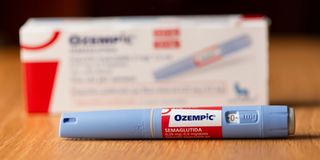
The black market for Ozempic injections is thriving, thanks to the growing demand for the drug.

The Pharmacy and Poisons Board (PPB) has issued a second warning against the unregulated use of Ozempic for weight loss.
This notice comes exactly a year after they first sent an alert warning that the Ozempic pens being used in the country at the time were fake and not approved by the agency.
The PPB, whose main mandate is to ensure the quality, safety and efficacy of health products in the country, has now asked Kenyans to take a step back before resorting to semaglutide injections.
“The Board wishes to bring to the attention of the public that Semaglutide is a prescription-only medicine...its unsupervised or off-label use may result in serious health outcomes,” Dr Fred Siyoi, PPB’s chief executive officer, warned in a statement.
PPB said some of the most common side effects include low blood sugar (hypoglycemia), eye conditions, acid reflux disease (gastroesophageal) and intestinal obstruction, which can range from mild to severe.
Semaglutides are a class of drugs that work by helping the body to release the right amount of insulin when blood sugar levels are high, and are often prescribed to patients with type 2 diabetes.
However, the drug is commonly promoted by social media influencers as a magic wand for quick weight loss.
Ozempic was approved in 2017 by the US Food and Drug Administration (FDA).
A study published in the Journal of Medicine, Surgery, and Public Health in 2023 analysed videos on TikTok that went out with the #Ozempic hashtag and found that the drug had spiked in popularity.
“The finding that these 100 videos were viewed 70 million times highlights the potential of TikTok for reaching large numbers of people with information about weight loss and increasing the popularity of medications such as Ozempic,” the study shows.
Their analysis shows that the Ozempic TikTok videos were mostly uploaded by non-professionals, saying that it raises concerns. This is consistent with the Kenyan Ozempic market, where celebrities post testimonials on Ozempic use.