Turkana on high alert as cross-border migration fuels cholera and measles outbreaks
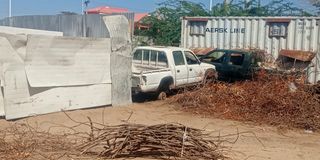
A section of Lodwar County and Referral Hospital in Turkana County. The county is grappling with a rising health crisis due to increased cross-border migration.

What you need to know:
- Turkana County faces rising cholera and measles outbreaks as cross-border migration strains fragile health systems.
- Authorities are strengthening surveillance, vaccination, and lab capacity to curb disease threats in high-risk border areas.
Turkana County is grappling with a rising health crisis as increased cross-border migration between Kenya, Uganda, South Sudan, and Ethiopia exposes border communities to recurring outbreaks of cholera, measles, and other infectious diseases.
The county government has flagged high-risk areas such as Nadapal and Lokiriama, where seasonal migration, driven by drought and conflict, heightens vulnerability to epidemics. With health infrastructure in these areas underdeveloped, the fragile system is struggling to keep pace.
In May, a cholera outbreak linked to frequent refugee movements between Kakuma and South Sudan left one person dead and more than 70 others ill. Authorities say such outbreaks highlight the urgent need for better preparedness and cross-border health cooperation.
To address these challenges, Turkana has been selected for a three-year intervention under the Pandemic Fund's Preparedness for Pandemic Response (Prepare) programme, which targets high-risk border areas across seven member states of the Intergovernmental Authority on Development. The programme aims to strengthen early warning systems, boost surveillance, and build laboratory capacity for faster disease detection.
“We now have a revitalised One Health coordination approach that protects people, animals, and the environment,” says Kipkorir Rotich, Turkana’s One Health coordinator. “In cross-border areas like Lokiriama, Nadapal, and Kalobeyei refugee operations, migration patterns make us highly vulnerable to epidemics.”
By the end of September, the programme will have mapped key stakeholders and cross-border actors, trained health and community teams, and conducted surveys to improve communication during outbreaks.
Dr Abdirhaman Musa, Lokiriama’s medical officer of health, stresses that prevention must come first: “Communities interact daily across the border, and untreated diseases spread easily. Training and surveillance will give us the tools to prevent outbreaks before they escalate.”
Fredrick Chepkwony, the Prepare project assistant, adds that the county has faced repeated cholera outbreaks in Nadapal. “This project is designed to reduce notifiable diseases by strengthening surveillance, outbreak response, and community engagement, so residents are better equipped to act before threats spiral out of control.”
Hurdles
Yet challenges remain. Insecurity and remoteness make healthcare access in border areas difficult. Paul Lonyuduk, Lokiriama sub-county administrator, says many health facilities are either too far or under-equipped. “We will leverage the county’s administrative structures, which reach down to the village level, to raise awareness on the importance of vaccination,” he says.
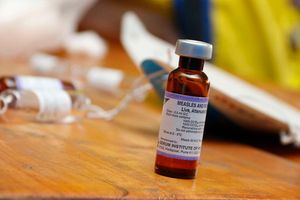
This is especially urgent as the number of unvaccinated children in Turkana’s border areas continues to rise, fuelling repeated measles and cholera outbreaks. Authorities warn that without stronger surveillance, vaccination drives, and regional cooperation, Turkana’s fragile health system risks being overwhelmed by preventable epidemics.