Vapes may help smokers quit but youth addiction crisis looms, warn Nacada and experts

The analysis found that e-cigarettes helped more people quit smoking for at least six months compared to nicotine replacement therapies.

What you need to know:
- Separate research, published in the scientific journal Psychopharmacology, shows that vaping during adolescence is likely to leave a lasting imprint on the brain's reward system.
- This, in turn, fuels nicotine-seeking behaviour well into adulthood, even after extended periods without exposure.
A new study shows that nicotine-containing e-cigarettes are more effective than traditional nicotine replacement therapies such as patches and gum in helping people quit smoking. However, the National Authority for the Campaign Against Alcohol and Drug Abuse (Nacada) and independent experts have raised concerns about their widespread adoption.
The findings, published by Cochrane Reviews in an analysis of more than 80 studies involving 29,861 smokers, come as lawmakers consider proposals that could significantly shape the future regulation of emerging nicotine products, including vapes and nicotine pouches. The Tobacco Control (Amendment) Bill, 2024, is currently before the National
Assembly's Departmental Committee on Health following its passage by the Senate.
The analysis found that e-cigarettes helped more people quit smoking for at least six months compared to nicotine replacement therapies. They were also more effective than nicotine-free e-cigarettes. Of the 75 studies that reported funding information, eight acknowledged support from the tobacco or vaping industry, or that authors had received such support outside the study, while the remaining 66 had no industry funding.
The researchers also noted that they did not find a direct link showing that using e-cigarettes as an alternative for smoking cessation could exacerbate side effects.
"Serious unwanted effects were uncommon across studies. The most commonly reported side effects included throat irritation, mouth irritation, cough, headache, and nausea.
These symptoms were generally mild to moderate and tended to reduce over time as people continued using the products," the study states.
However, experts warn that long-term safety is still being studied, making continuous research vital as newer vaping products enter the market.
Global data from the World Health Organization shows that tobacco use kills more than seven million people every year, with more than 1.6 million of those deaths being non-smokers exposed to second-hand smoke.
In Kenya, Simon Mwangi, deputy director of Corporate Communications and official spokesperson for Nacada, expressed concern that social media is fuelling nicotine addiction.
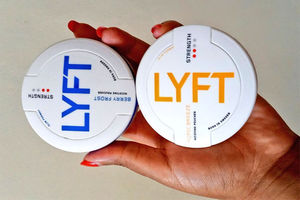
A 2024 study showed that younger children in Kenya are now more exposed to tobacco products than before, with children aged between 10 and 17 trying nicotine pouches and e-cigarettes. The study found that about five per cent of students use e-cigarettes, while another 4.2 per cent use nicotine pouches.
"Marketing has shifted from billboards and magazines to influencers and lifestyle content," Mwangi said. "Claims that these products are safer alternatives should be treated with caution. Nicotine is highly addictive and harmful to developing brains. Exposure during adolescence can affect attention, learning and other aspects of brain development."
Separate research, published in the scientific journal Psychopharmacology, shows that vaping during adolescence is likely to leave a lasting imprint on the brain's reward system. This, in turn, fuels nicotine-seeking behaviour well into adulthood, even after extended periods without exposure.
"What we found is that the effects of early nicotine vapour exposure don't simply fade with time," said Dr Ian Mendez, associate professor of pharmacy and the study's corresponding author, in a press release. "Even after an extended period with no nicotine whatsoever, that early exposure was still shaping behaviour later in life. That matters enormously for the millions of young people who began vaping as teenagers and are now carrying the habit into adulthood."
Another study, recently published in Nature Reviews Cardiology, explains how nicotine affects blood vessels. Prof Filippo Crea, one of the study authors, said in a press statement that nicotine is an active driver of endothelial dysfunction, one of the first steps on the path to atherosclerosis, hypertension and heart failure. He added that only complete abstinence is risk-free.
"The evidence is clear that nicotine cannot be considered harmless. We must take this seriously in how these products are regulated, marketed and communicated to the public, especially to young people," said Prof Thomas F. Lüscher, president of the European Society of Cardiology and a study author.
Fellow co-author Prof Münzel added that while e-cigarettes and heat-not-burn devices were initially marketed as reduced-risk alternatives to combustible cigarettes, their study shows that these products "sit on a continuum of cardiovascular risk, not off it."
"Removing combustion clearly reduces harm, but it does not remove it," he said.
Celine Awuor, chief executive officer of the International Institute of Legislative Affairs, explained that while e-cigarettes are touted as cessation aids, the country's guidelines point specifically to approved forms of cessation that help smokers quit nicotine addiction. She noted that approved pharmacological products exist to help people stop smoking, unlike e-cigarettes.
"These are medications. Even though they contain a form of nicotine, a person who is addicted has to be taken through a withdrawal process to reduce dependence," she said.
"These Nicotine Replacement Therapies (NRTs) have regulated, gradually reducing doses of nicotine, are prescribed by professional healthcare workers, and cannot be accessed in other shops," she added.
On the contrary, she said, electronic products are marketed as luxury items, mostly sold online, and are not prescribed by medical practitioners. She expressed concern that e-cigarettes are packaged with the intention of luring young people, offered in a variety of flavours and nicotine strengths.
"How these products are marketed and designed is not meant to help people quit, it actually makes them addicted. They are advertised mostly as a lifestyle, to make young people look chic. You are not likely to see medicines advertised in that way," she said.
In a 2022 study, the Pharmacy and Poisons Board highlighted that existing evidence indicates that combination NRT, involving a slow and a fast-acting agent, such as a patch and a lozenge alongside Bupropion and behavioural support, is the most effective way to quit smoking. Their evidence also shows that Varenicline alone, or in combination with NRT, can be effective.
In 2024, the World Health Organization (WHO) released its first-ever guideline on tobacco cessation for adults. "WHO recommends varenicline, Nicotine Replacement Therapy (NRT), bupropion, and cytisine as effective treatments for tobacco cessation," the agency said in a statement.
WHO also recommends behavioural interventions, such as brief health worker counselling, about 30 seconds to three minutes, offered routinely in healthcare settings, alongside more intensive behavioural support (individual, group, or phone counselling) for interested users. It also stated that digital interventions, including text messaging, smartphone apps, and internet programmes, can be used as adjuncts or self-management tools.