What is anaphylaxis? Expert explains after Meru immunisation incidents
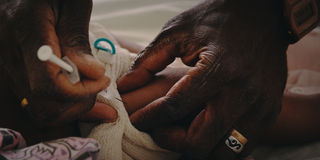
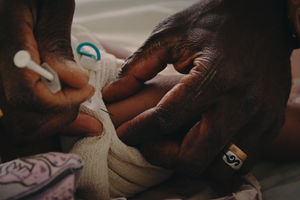
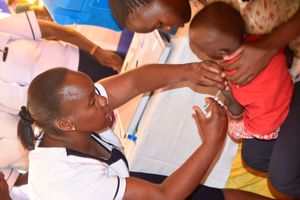
Immunisation. Two babies were in good health and due for measles, mumps and rubella (MMR) vaccine at a clinic in Meru County. They died after the jabs.

What you need to know:
- A rare allergic reaction after vaccination raises concern, but an expert urges calm and continued immunisation.
- The reaction, called anaphylaxis, can strike suddenly and fatally, but remains rare and manageable with prompt medical response.
Two parents took their children to a clinic in Meru for routine immunisation. They left without them.
Clinicians at the facility attributed the deaths to anaphylaxis, a severe allergic reaction that, while rare, can strike any patient and prove fatal if not managed promptly by trained medical staff. Nation spoke with Prof Zakayo Thaimuta of the Department of Pathology at the University of Nairobi, who explained what anaphylaxis is, how it develops and what parents should know.
What is anaphylaxis?
It is a severe, life-threatening allergic reaction that occurs within a short time and requires immediate medical attention. It happens when the body reacts to a trigger, dust, smoke, pollen, food, medicines, vaccines or insect stings such as those from bees or wasps. When it happens, the body is simply fighting that attack.
What arethe immediate reactions when somebody gets an anaphylaxis?
Those affected may become itchy all over and start scratching. Some become restless. As it progresses, it can cause breathing problems, wheezing, shortness of breath, sneezing and throat tightness. All these can be managed. It can also affect blood circulation, causing an immediate drop in blood pressure that sends the body into shock.
It could lead to death, especially when blood pressure drops and the heart struggles to pump blood. In such a scenario, vital organs are starved of oxygen and nutrients and begin to fail. Other effects include diarrhoea, nausea and vomiting.
Does it occur in everyone?
An anaphylaxis reaction is not standardised, it can occur in anyone at any time. When you are given medicine at a hospital, for instance, you may experience what is called a therapeutic misadventure. How a drug acts on one person may not be the same as how it acts on another, even if it is the same drug. A misadventure can occur and trigger an anaphylaxis reaction.
What is the mechanism that leads to anaphylaxis?
It starts in the immune system, which helps us fight disease. The immune system is made up of components called antibodies. One key antibody, immunoglobulin E, is responsible for fighting allergies. When a trigger enters the body, whether from food, drugs or venom, it causes the body to produce immunoglobulin E.
When immunoglobulin E is released, it binds to the offending substance, be it venom, an insect sting or food. The blood also has high-level receptors that clear bound antibodies, cleansing the system and preparing it for the next attack. But sometimes part of the immunoglobulin E is not fully cleared, and it remains a problem in the blood.
When that happens, the body recognises a continuing attack. Because the previous response was not cleared, it keeps fighting, and what begins as a small
Is there any first aid that can help someone before they reach hospital??
If a person is far from a hospital, seek medical attention immediately. In the meantime, the priority is to ensure they are getting sufficient air. Lay the person down, oxygen levels are higher in a horizontal position than when standing or sitting. Ensure all airways are open and loosen any tight clothing or shoes. Feel the chest to confirm that air is moving in and out. Over-the-counter drugs are not recommended in this situation. When a person is laid in that position, the recovery chance is about 80 per cent.
Do some reactions become permanent?
Yes, some do. Even after treatment, a person may lose skin, develop darkened or cracked skin, or in a worst-case scenario, open wounds.
What would you recommend after someone has had a reaction?
Anyone who experiences anaphylaxis should see an allergy specialist, even if the problem was contained. The immune system, caught unawares, is still rebuilding. Such patients are usually treated with immunotherapy to manage future sensitivity to the triggers.
Can such reactions occur in hospitals during vaccination?
Yes. Some vaccines contain weak immune components or a weakened form of a disease, which can elicit a strong immune response and lead to this form of severe allergic reaction.
How can it be managed in hospital?
The hospital can administer immunotherapy since they know they have triggered an immune reaction. Steroid-based drugs can also be given to clear the immune response. Immunotherapy works by reducing the impact of the immune response when someone develops an allergy or is exposed to an allergen. It can be administered intravenously using diluting fluids.
What advice would you give parents when taking their children for immunisation?
As a precaution, do not simply receive the vaccine and leave the hospital immediately. An allergic reaction can develop and prove fatal if not caught in time. I recommend that parents remain at the facility for one to two hours to monitor the child's behaviour.
Common post-vaccination reactions include fever, drowsiness or snoring. These signs must not be misunderstood or assumed to be harmless. Parents should ask the clinician administering the vaccine what side effects to expect.
Following the two deaths in Meru, should parents be worried about vaccinating their children?
Not really. It does not mean that every other child to be vaccinated will have the same reaction. Reaction to a drug does not mean every person will react that way.
I mentioned therapeutic misadventure earlier. Take analgesic drugs, for example. I may take drug X for a headache and feel better. You may take the same drug and have no reaction, it might even worsen your headache. Every drug we take carries some uncertainty about how it will behave in the body. What we build on is what we have seen work, and on that basis we believe it will help your child.
An anaphylaxis reaction is accidental, not inevitable. I also want parents to know that when such reactions occur within hospitals, facilities have a responsibility to manage them. If you are sent away after vaccination, the facility should provide a hotline or direct you to a nearby clinic for a quick response.
Vaccines are meant to help children, not to destroy them. I know there is a lot of misinformation about vaccination, but vaccines are important, they help children prepare for the future. Parents should have their children vaccinated.