Bread, honey, and millions: How traders built a Sh10m empire in bandit territory
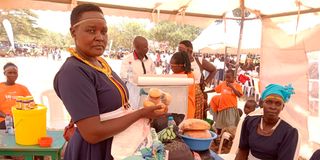
Members of Lokotyo Women Group showcase the cakes they bake, at Orwa village in West Pokot County on September 26, 2024.

What you need to know:
- A group of indigenous women in West Pokot County have turned from gold mining and charcoal burning to running successful enterprises in baking, beekeeping, and soap making.
- Through their savings groups, these semi-literate entrepreneurs have built a collective capital base of Sh10 million.
- Their business ventures have not only generated steady income but also fostered peace in an area previously known for banditry and resource-based conflicts.
In the heart of West Pokot County's banditry-prone zone, an unexpected aroma wafts through the morning air. The scent of freshly baked bread mingles with the sweet essence of honey, telling a new story of transformation in the remote Orwa village of Sekerr Ward.
Here, a group of semi-literate but ambitious indigenous women have turned their lives around, replacing the harsh routine of gold mining and charcoal burning with the art of baking, beekeeping, and soap making.
With initial support from World Vision Kenya, these women have transformed their economic fortunes through determination and unity.

"We started our work in 2018. We make cakes and bread in ovens from our homes. It's all about changing our life," says Everlyline Chenangat, her eyes sparkling with pride as she arranges fresh loaves of bread.
She leads the Lokotyo self-help group, which has grown to 31 members.
The transformation is visible across the village. Where grass-thatched houses once stood, semi-permanent structures now dot the landscape. Children walk to school with new uniforms and books, their fees paid from their mothers' earnings.
"Many women have built semi-permanent houses from grass-thatched houses," Chenangat adds, gesturing toward the improved dwellings that stand as testimony to their success.
Under their umbrella savings program, Savings for Transformation (S4T), these entrepreneurs have mastered the art of financial management. They save, loan, and grow their money, turning their small enterprises into sustainable income sources.
For Antonella Lochale, the journey began with a single beehive in 2016. Today, she leads the Kantai S4T group of 15 women and two men, processing and packaging honey with modern equipment.
"We save money every Sunday, and we can take loans and have shares," Lochale explains, her hands moving deftly as she fills honey tins.
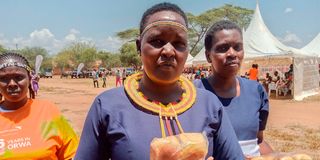
Lokotyo Women Group members. Despite living in a banditry-prone area, they have beaten community odds by engaging in baking, selling honey and soap making.
"We save amounts ranging from Sh200 to Sh500 every Sunday."
The women's entrepreneurial spirit extends beyond food products. Susan Simai and her group have ventured into liquid soap production, securing schools as their primary customers. Their products now clean classrooms and households across the region.
These business ventures have done more than just generate income. They've fostered peace in an area once known for resource-based conflicts.
Gilbert Kamanga, the National Director for World Vision in Kenya, notes that women who were once divided by conflicts now work together, sharing resources and knowledge.
"The wake of development cannot be done by one person," says Kamanga.
"We have seen 228 active savings groups whose members have been empowered to save, borrow, and invest in businesses with collective capital of Sh10 million."
The success has rippled beyond traditional enterprises. With water projects established in Chepkondol, Orwa, Mbara, and Chepkolol, many women have diversified into horticultural farming, adding another stream of income to their growing portfolios.
World Vision’s Elijah Chiwe, sees the transformation extending beyond economics. "We have achieved much in this region. The impact spans health, education, and even cultural shifts, with reduced cases of FGM and early marriages," he says.
Transformed lives
West Pokot County Deputy Governor Robert Komole sees these women as pioneers of a new economic era.
"Women from pastoral areas can help one another by pooling their cash and initiating projects," he says, pledging the county government's support for similar initiatives.
Back in Orwa village, as the sun sets, these businesswomen count their day's earnings. The aroma of baking bread still lingers, but it's more than just the smell of food - it's the scent of independence, dignity, and transformed lives.
For Daniel Luwus, the area assistant chief, the change is clear: "Our people have seen light. These women have shown us that with determination and unity, poverty is not a permanent address."
As evening falls, Chenangat and her fellow entrepreneurs prepare for another day of business. Their success story echoes through the hills of West Pokot, inspiring other women to dream bigger and reach higher.


