Closing the finance gap: Why 2026 matters for women in business
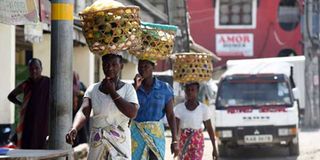
Women traders at the Kisauni road in Mombasa. PHOTO | KEVIN ODIT | NATION MEDIA GROUP

What you need to know:
- A major milestone was reached in December 2025, when Kenya formally adopted the Women Entrepreneurs Finance Code, a global initiative aimed at closing the gender financing gap for women-led micro, small and medium enterprises.
As Kenya enters 2026, women entrepreneurs are poised to step into a new era of transformative growth, driven by landmark policies and expanding trade opportunities. With improved access to finance and emerging markets, the year presents promising prospects for women-led businesses to thrive.
A major milestone was reached in December 2025, when Kenya formally adopted the Women Entrepreneurs Finance Code, a global initiative aimed at closing the gender financing gap for women-led micro, small and medium enterprises.
The Code was officially launched in 2023 at the World Bank–International Monetary Fund Annual Meetings in Marrakech. It commits financial service providers, regulators and development banks to work together to expand funding for women entrepreneurs worldwide.


In Kenya, the initiative is championed by Central Bank of Kenya (CBK) Deputy Governor Dr Susan Koech, the National Champion of the Code. In a statement, the CBK said the framework provides a platform for financial sector leaders to drive action within and beyond their institutions to close financing gaps for women entrepreneurs.
“It catalyses new financial and non-financial mechanisms to meet the needs of women-led MSMEs and mobilises capital, while improving standards, policies and regulations to address data gaps and financing constraints,” the CBK said.
Under the Kenyan chapter, more than 40 institutions have pledged concrete actions, including appointing senior leadership champions, collecting and reporting gender-disaggregated data, and developing financial products tailored to women entrepreneurs. The initiative is expected to boost access to credit, strengthen women’s economic participation and support the sustainable growth of women-led businesses across the country.
Beyond finance, government programmes are targeting women who have historically faced marginalisation. In October 2025, President William Ruto announced plans to train 600,000 mothers who are sole caregivers, helping them access government procurement opportunities. This initiative seeks to empower women heading households affected by poverty, abandonment, or abuse, offering a path to financial independence and inclusion.
International trade also presents new avenues for growth. Kenya’s apparel industry, for example, exported $470 million worth of goods to the US in 2024, supporting 66,800 direct jobs - three-quarters of them held by women.
The African Growth and Opportunity Act (has been central to these gains, providing duty-free access to the US market and creating nearly 800,000 livelihoods dependent on the trade agreement.
While Kenya continues to lobby for AGOA’s extension, domestic and regional trade agreements like the African Continental Free Trade Area (AfCFTA) offer additional prospects for women entrepreneurs to access African markets.
However, challenges remain. Women-led businesses continue to face non-tariff barriers, including excessive border delays, cumbersome regulations, and restrictive standards, which can hinder participation in intra-African trade.
How effectively these hurdles are addressed in 2026 will be critical in determining whether Kenyan women can fully leverage the AfCFTA for cross-border expansion.


