It's time to face the truth about abuse in our schools
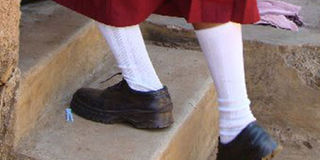
A schoolgirl. The flood of sexual abuse stories are forcing uncomfortable questions about our schools.

What you need to know:
- This week's stories about sexual misconduct in girls' school broke my heart as women shared their own painful experiences with predatory teachers.
- We desperately need real change - not just policies on paper, but cultures where students know they'll be believed and protected when they find the courage to speak up.
This week, an article about allegations of sexual misconduct at one of Kenya's most prestigious girls’ schools sparked conversations I never anticipated. Within hours of its publication, social media platforms flooded with messages from women sharing their own stories about inappropriate conduct by male teachers during their school years. The response was overwhelming and heart-breaking.
I'll be honest—reading those stories shattered something inside me. As someone who once stood in front of a classroom myself, I felt sick thinking about how sacred trust can be so callously betrayed. They became a catalyst, unleashing pain that women have carried silently for years, stories whispered about but never properly confronted.
Also read: Head teacher defiles pupil in Mwatate


The power dynamics in teacher-student relationships terrify me when I think about them properly. These young people look up to their teachers, seek their validation, trust their guidance. They're vulnerable in ways they don't even understand yet. When someone exploits that innocence, that eagerness to please and learn—it feels like a betrayal of everything education should represent.
What breaks my heart most is how these young women blamed themselves. I can hear it in their messages—the self-doubt, the confusion, the way they wondered if somehow, they were complicit. This is what predatory behaviour does: it makes victims feel responsible for their own exploitation.
I'm furious about the institutional protection that seems to shield problematic teachers. Too often, I've seen concerning behaviour dismissed as "personality quirks" or handled through quiet transfers that simply move the problem elsewhere. We're failing our students when we prioritise institutional reputation over their safety.
This week, I learned about similar allegations at a boys' school in Nairobi. My heart sank. This isn't just about girls, it's about a culture that sometimes enables inappropriate conduct whilst silencing those brave enough to speak up.
Biblical teachings
What particularly disturbs me about these cases is that some of the perpetrators are devoted Christians. Scripture is crystal clear: "If anyone causes one of these little ones to stumble, it would be better for them to have a large millstone hung around their neck and to be drowned in the depths of the sea." If someone claims to follow Biblical teachings, they should understand the gravity of harming those placed in their care.
I'm tired of seeing problematic situations handled through transfers or quiet resignations. With women making up 51 per cent of our population, there's no excuse for any teacher to cross boundaries with students. The focus should remain firmly on maintaining professional relationships with young people who deserve our protection, not our predatory attention.
Schools must do better at creating environments where students feel safe to report concerning behaviour. This means having clear, accessible reporting mechanisms that students trust, training all staff on recognising and responding to inappropriate conduct, and ensuring every allegation is taken seriously and investigated thoroughly.
But it's not enough to just have policies on paper. Schools need to actively foster cultures where students know they'll be believed, supported, and protected when they speak up. Too many institutions still operate under the assumption that preserving reputation matters more than protecting students.
I think about my own time in the classroom and wonder—did I miss signs? Were there students struggling with inappropriate attention from colleagues? Could I have done more to create safe spaces for them to confide in me? These questions now keep me awake at night.
The courage shown by the women sharing their stories this week humbles me. They've opened wounds that never properly healed, risked judgment and disbelief, all in the hope that speaking up might protect others. We owe them more than just sympathy—we owe them systemic change.
This isn't about destroying individual careers unnecessarily. It's about acknowledging that our educational institutions must do better. Every student deserves to learn without fear, to admire their teachers without risk, to graduate with inspiring memories rather than buried trauma.
The conversation has begun, and it's long overdue. Let's make sure it leads to real change in how we protect the young people we're privileged to teach.


