The silent scars: How freshwater sources rob women of health and hope

What you need to know:
- Women suffer silently from a waterborne disease misdiagnosed as STIs, with devastating reproductive and social consequences.
- Freshwater sources carry more than water—they carry pain, infertility, and stigma for women infected with undiagnosed genital schistosomiasis.
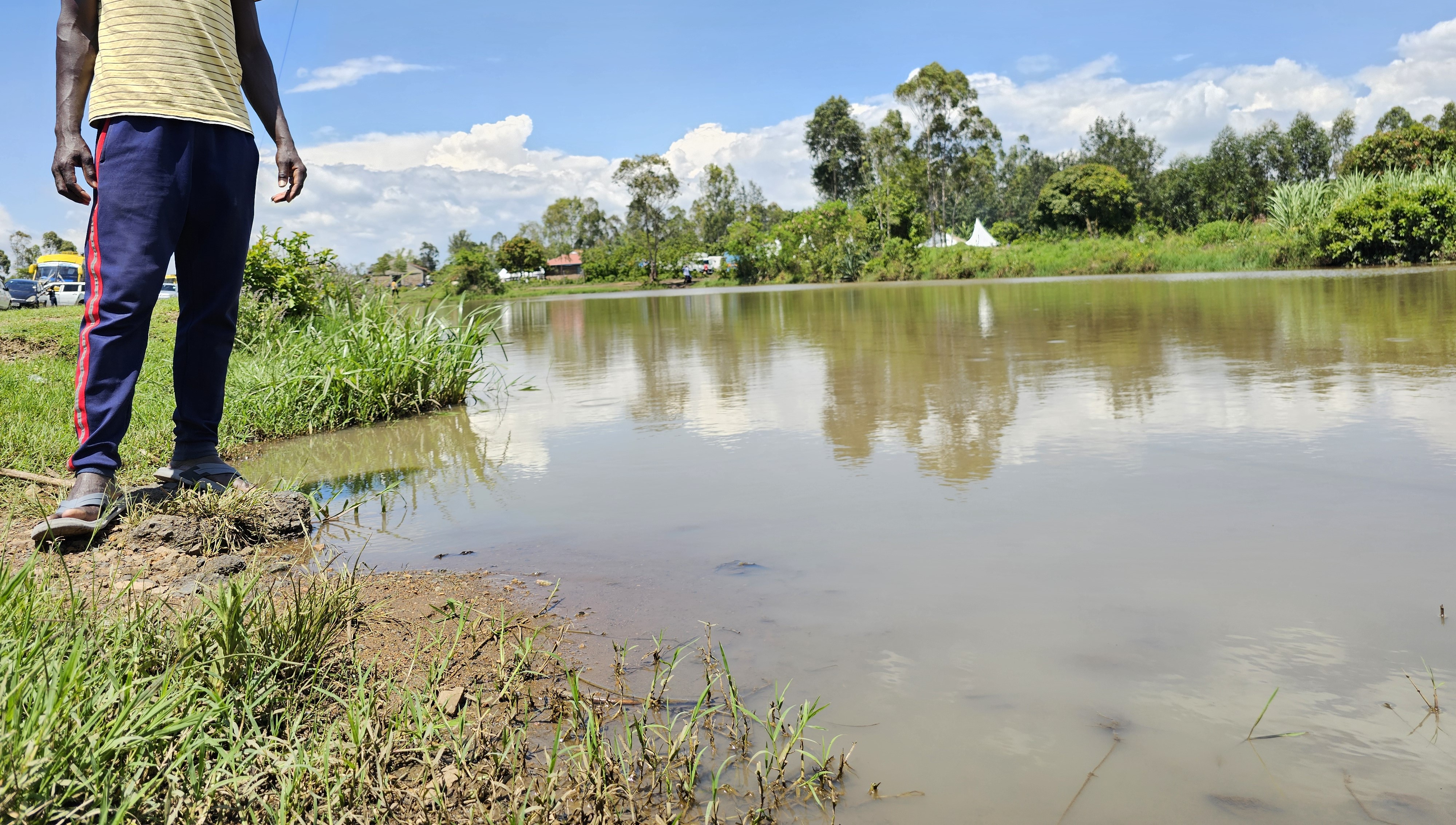
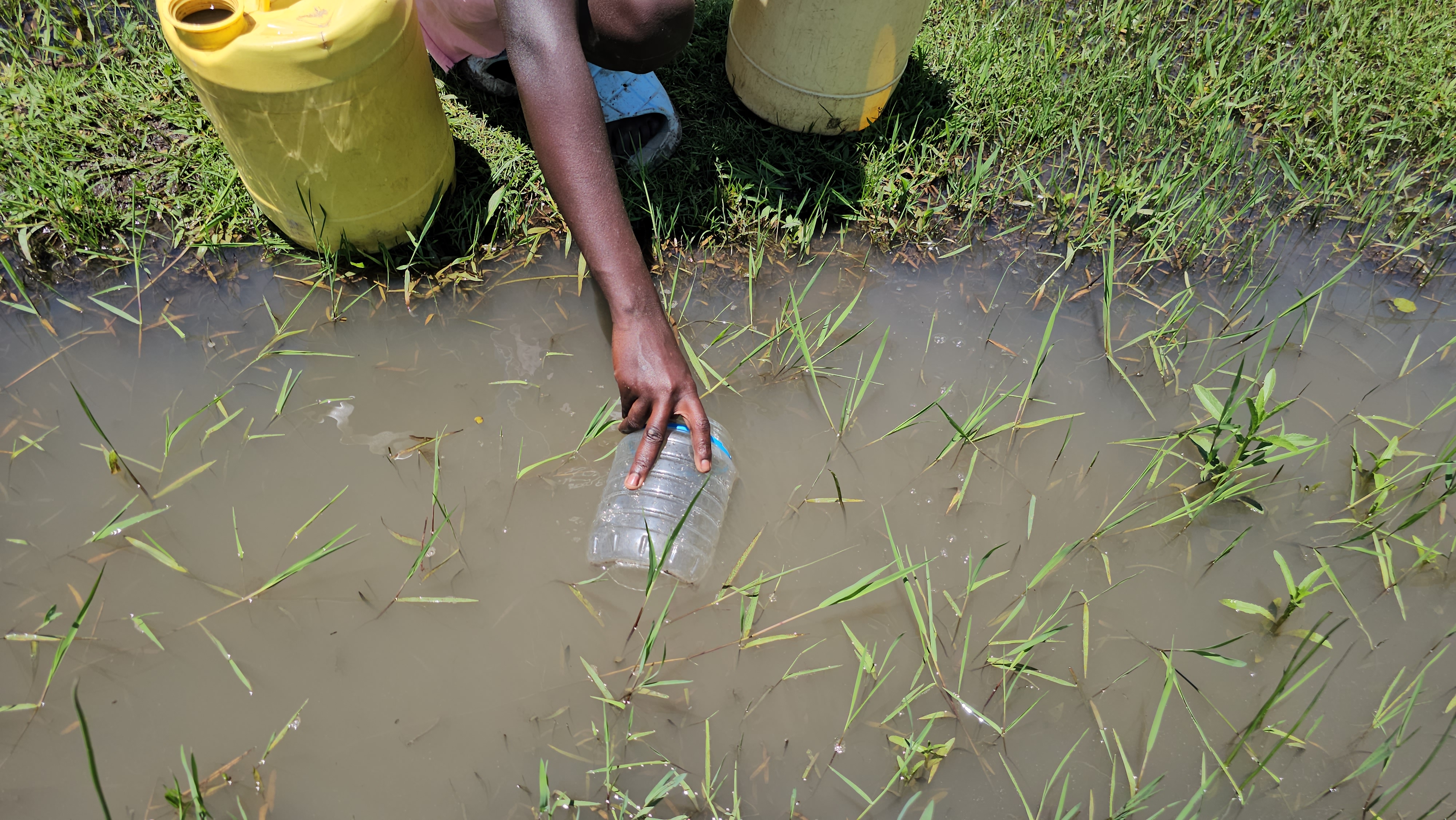
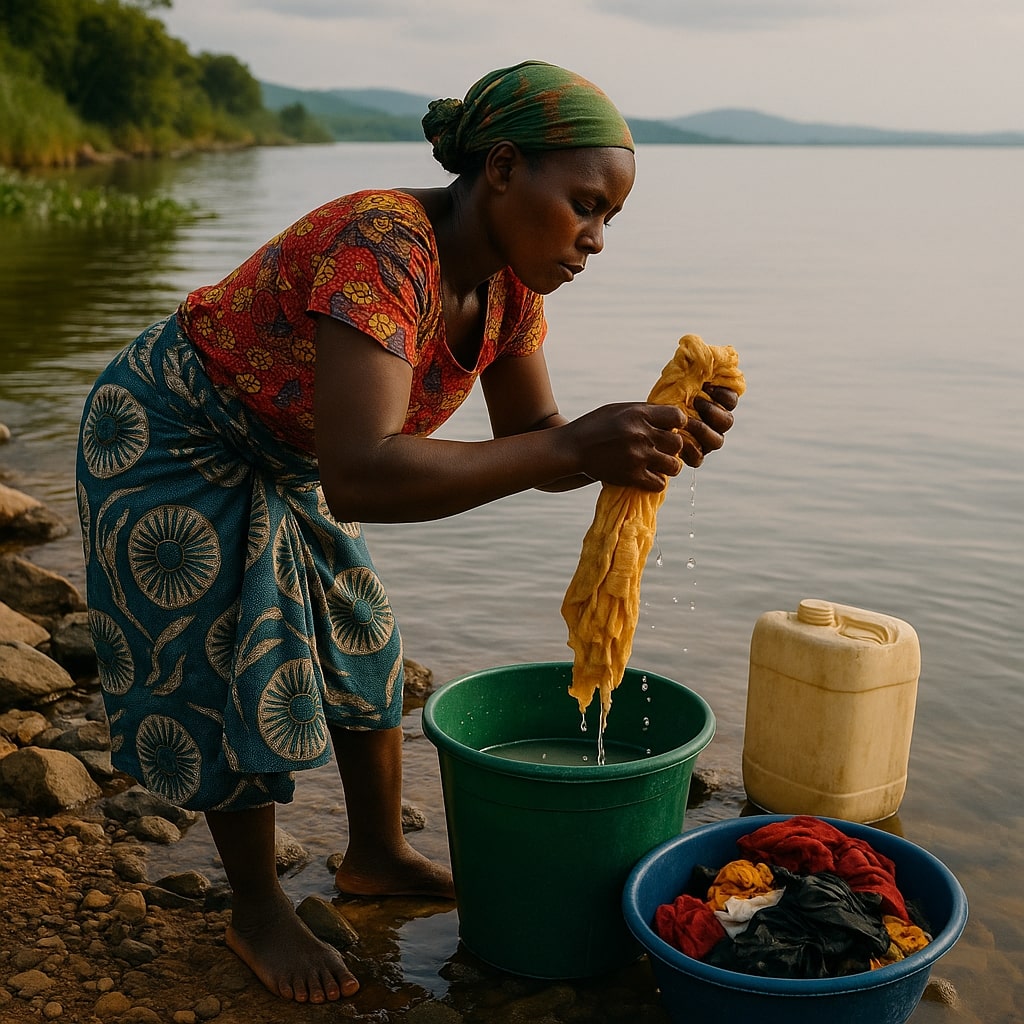
Underneath the waters of this lake …
Across the calm of this pond …
Deep within the shadows of this swamp, danger stirs …
Tiny, unseen parasites glide …
Scroll down to read the article
This is the first instalment of a two-part investigative series on the impact of female and male genital schistosomiasis on Kenyan women and men, and the preventive measures that can be implemented to curb these infections.
Muddy brown water flows gently through River Arujo, meandering between banks of black cotton soil with a peaceful, almost catwalking rhythm. Suddenly, the calm is broken by a young man herding his cows. He strikes them lightly to nudge them into the middle of the river to drink. As they begin to quench their thirst, he abruptly stops on a stone midstream and urinates.
Muddy brown water flows gently through River Arujo, meandering between banks of black cotton soil with a peaceful, almost catwalking rhythm.
As he continues, he is suddenly jolted to a halt by two young men bathing downstream, seemingly unbothered by the presence of passersby from nearby villages. These men are likely from one of the villages surrounding the river in Homa Bay Town Sub-county, Homa Bay County. As they exchange crude insults in the local dialect, further downstream, five girls and two boys, all barefoot, chase one another in a single file like bees. Each carries a small jerrycan and a scooping container.
They wade into the river, giggling and splashing, and turn fetching water into a lively competition. But what none of them may realise is that they are either initiating or completing a harmful cycle, one that could lead to female genital schistosomiasis (FGS) or male genital schistosomiasis (MGS).
The burden of FGS is unknown since there is no data. However, women and girls are at greater risk of infection due to their frequent and direct interaction with contaminated freshwater sources, as entrenched cultural norms assign water collection duties to them.
To many, freshwater appears safe, but it becomes dangerous because the Schistosoma parasites that cause FGS can only survive in freshwater. Their life cycle depends on specific freshwater snails as intermediate hosts. Neither the parasites nor the snails can tolerate the high salt levels in salty water, as these disrupt their internal water balance and ultimately lead to death.
Homa Bay is one of 15 counties in Kenya with the highest burden of poor sanitation, as recorded in the 2019 Kenya Population and Housing Census on the distribution of socioeconomic characteristics. Thus, the sight of a young man urinating in the open and others bathing in the river under the 4pm sun indicate that parts of the community still require sensitisation to improve sanitation and break the transmission cycle. Rangwe and Rachuonyo South are among the other sub-counties.
Disrupting Female Genital Schistosomiasis, a sexual and reproductive health #SRH problem that should never be neglected. Voices from @LVCTKe research in homabay, kilifi and Kwale counties.#FGSSchisto, #SRHIntegeation, #worldntdday2025 https://t.co/ISrMVdrAt4
— Dr. Stephen Mulupi, PhD. (@Smulupi) January 30, 2025
FGS is a neglected disease, a manifestation of chronic infection with bilharzia (also known as schistosomiasis). Again, schistosomiasis is a neglected tropical disease that disproportionately affects poor women and girls who lack access to clean piped water and live in areas where proper sanitation is a distant dream. Tropical in this context refers to regions characterised by consistently warm temperatures, typically averaging at least 18° Celsius in the coolest month, and high humidity, often accompanied by seasonal rainfall, just like in Homa Bay, Kilifi and Kwale counties. Fifty-six million women and girls live in such conditions and are vulnerable to this disease.
In Kenya, the burden of FGS remains difficult to ascertain because it is not recorded in public health statistics, having been omitted from disease indicator registers. However, a recent study conducted in select health facilities across Homa Bay, Kilifi, and Kwale found that between 15 and 34 per cent of women seeking health services had FGS.
In Homa Bay, the study was carried out at two facilities — Homa Bay Teaching and Referral Hospital and Miniambo Health Centre. In Kilifi, three facilities participated: Kilifi County Hospital, Vipingo Health Centre, and Junju Dispensary. In Kwale, the study involved four facilities: Msambweni County Referral Hospital, Bilashaka Dispensary, Kwale Sub-County Hospital, and Mkongani Helth Centre.
Silent disease
FGS is a silent disease from the way it enters the body and mimics the symptoms of sexually transmitted infections (STIs), to the slow, often unnoticed damage it inflicts on the reproductive system over time. According to healthcare workers, public health experts, and research scientists, the silence surrounding FGS extends into public hospital records, where no official indicators exist, and into medical training institutions, where textbooks do not even mention it. As a result, FGS and MGS remain invisible in the curriculum.
Meanwhile, women continue to suffer-bleeding, in pain, and robbed of the joy of family life, which is a fundamental human right. Their husbands, too, suffer silently, despite the Constitution’s guarantee of the right to a dignified life. Understanding the origins of the disease presents a chicken-and-egg dilemma. How the Schistosoma parasite first entered the human body and was released onto the planet to perpetuate its devastating cycle remains unclear, yet its consequences are horrifying, traumatic, and distressing, at times even fuelling domestic violence.
While experts in neglected tropical diseases, public health, and medical research agree that eliminating exposure to schistosomiasis is nearly impossible, given the complexities of treating the water bodies that support the parasite’s lifecycle, they emphasise the need for more practical, health-focused solutions. “If you say you are going to kill all the snails that host the Schistosoma parasite, then you will find yourself in conflict with the Kenya Wildlife Service,” points out Justus Ochola, the deputy county research and innovations coordinator in the Directorate of Public Health Services under the Homa Bay County Department of Health.
These experts unanimously agree that treatment is the key. But therein lies the challenge: many healthcare workers are unfamiliar with FGS and have no training in how to diagnose it. As a result, the disease is misclassified and misdiagnosed, often dismissed under the umbrella of sexually transmitted infections.
Complex web
This is the web in which women and girls are entangled.
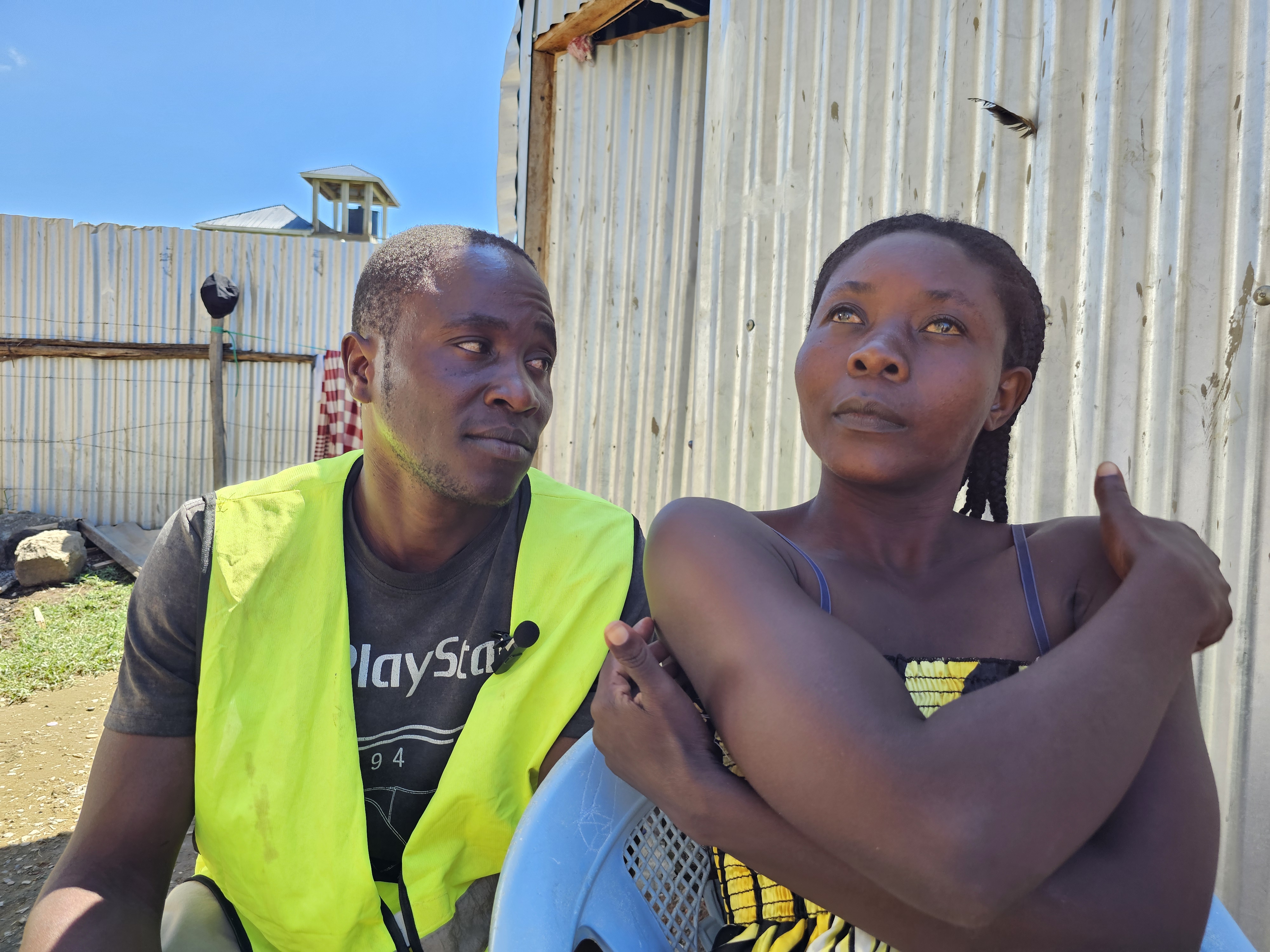
Risper Achieng’ with her husband, Jackson Otieno, at their home in Rodi, Homa Bay County, on April 15, 2025. She attended three health facilities between 2019 and 2024—two government-owned and one faith-based, all of which gave a wrong diagnosis for female genital schistosomiasis. Moraa Obiria/Nation Media Group
Risper Achieng’ visited three health facilities between 2019 and 2024: two public and one faith-based. All three misdiagnosed her condition.
“In 2019, my husband took me to a county-run healthcare facility in Obanga, Suba South. There, I was told I had a sexually transmitted disease, just as I had feared,” recalls the 31-year-old woman, who lost her sight in 2018 after healthcare workers told her she had glaucoma.
Since going blind, she faces an added barrier to accessing proper healthcare: she must rely on her husband to take her to hospital and describe her physical symptoms on her behalf, something rarely as accurate as when the person affected speaks for herself. At the time, Risper had endured three months of severe itching in her private parts and stabbing pain in her lower abdomen before seeking treatment. The medication prescribed didn’t help. Her husband, Jackson Otieno, then took her to a faith-based health centre in the same sub-county, where she was tested for malaria. The result was negative. She returned home without a remedy.
But the pain persisted. Desperate, the couple sought help at a higher-level facility, a Level 4 or sub-county hospital. Still, there was no accurate diagnosis. “They tested me for typhoid, and it came back positive. I took the medicine. There were slight changes, but soon after I finished the dose, the symptoms returned. We got tired,” she says.
The emotional and financial toll of repeated misdiagnoses reflects the WHO’s findings that FGS thrives among poor communities. Worse still, the disease is neglected, and healthcare providers lack the knowledge and tools to detect it.
Austin Ouma, a medical laboratory officer at Miniambo Health Centre, admits as much. “If I remember correctly, we were taught about nematodes in parasitology. We covered the Schistosoma genus, but the term ‘female genital schistosomiasis’? Never! I only came across it while in the field, after undergoing training by LVCT Health,” he says.
Joy at last
That training changed everything for him and for Risper. In January 2025, Jackson took Risper to Miniambo Health Centre, where she was finally diagnosed correctly. By then, Austin, along with two nurses and two clinicians at the centre, had developed a high index of suspicion for FGS, thanks to the training. They diagnosed her with the disease and administered a single dose of four tablets of Praziquantel, based on her weight.
“I took the medicine in January and went back in April for another dose. Now the symptoms are gone. I’m so happy, I feel fine,” she says with relief.
For Jackson, the diagnosis brought immense comfort. Risper is currently unable to work because of her condition and Jackson remains the sole breadwinner. His work is precarious; until recently, he relied on casual jobs at construction sites. He now has a more stable role as a caretaker with a monthly income.
“I was worried about her situation,” he says. “I could feel her pain, but I was in a difficult place myself; I had to work hard to raise money for her hospital visits. Even affording transport for the two of us was a struggle. I’m just so happy she’s okay now.”
Today, their hearts are light and this joy stems from the fact that something different happened: the problem was finally recognised and action was taken to change the situation and save both from this nightmare, long confused with STIs and other illnesses.
The study
In 2023, LVCT Health, in collaboration with Frontline Aids, Bridges to Development, and the Ministry of Health, conducted a two-year study supported by the Children’s Investment Fund Foundation. It implemented a minimum service package and assessed the feasibility, acceptability, and cost of integrating FGS services into existing sexual and reproductive health (SRH) services within public hospitals.
The study involved the Ministry of Health and the county health departments of Homa Bay, Kwale, and Kilifi, working with the nine health facilities to conduct the research. Miniambo Health Centre was one of them. A key part of the service package for integrating FGS into SRH services was creating awareness among healthcare workers of how to screen and correctly diagnose FGS through pelvic examinations and community health promoters. This awareness prompted screening and diagnosis, which led to treatment and, ultimately, a reduction in conflicts between couples over suspected STIs.
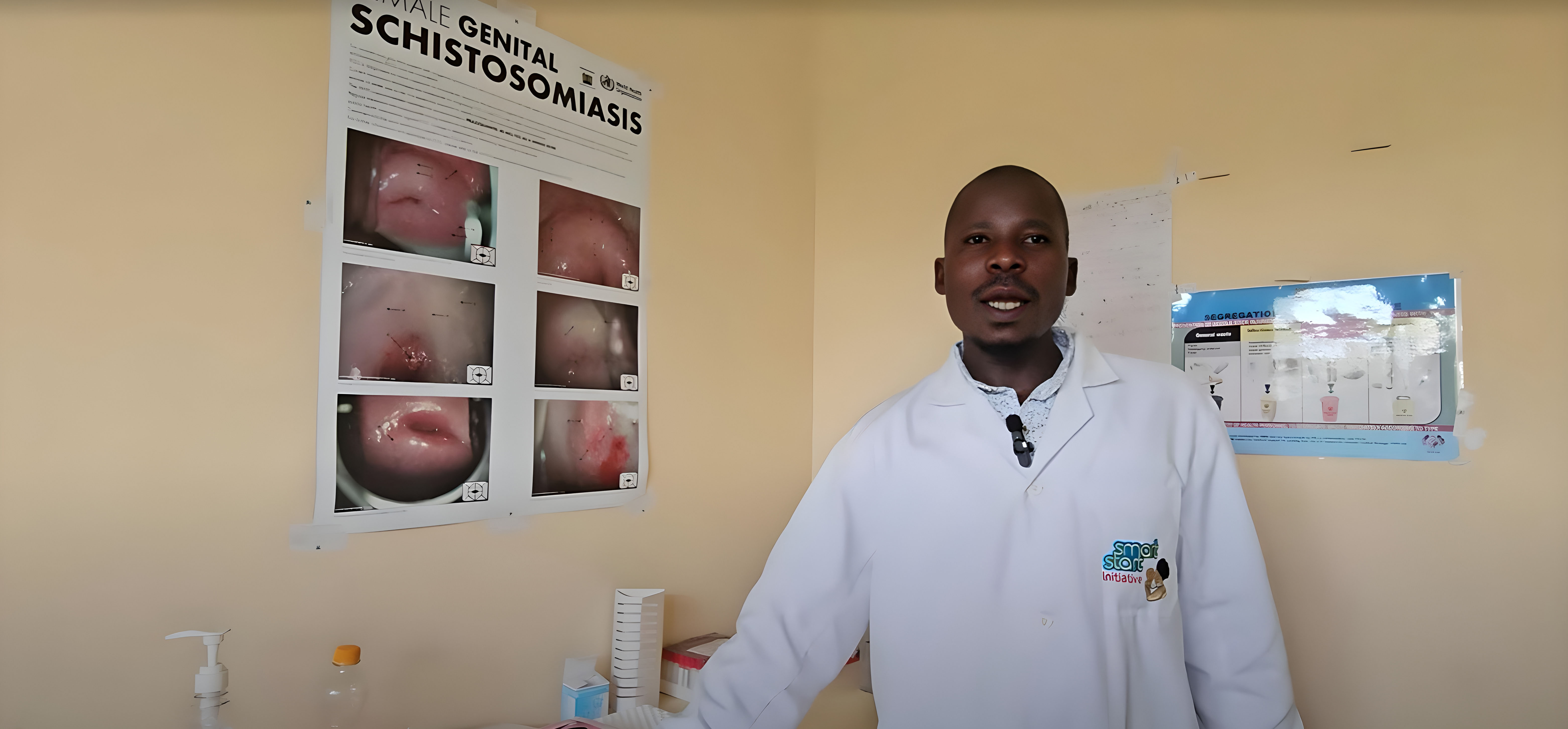
Austin Ouma, a medical laboratory officer at Miniambo Health Centre in Homa Bay Town Sub-County, Homa Bay County, acknowledges that there is little awareness among healthcare workers about FGS and MGS. He spoke to The Voice on April 16, 2025. Moraa Obiria/Nation Media Group
Austin was one of the beneficiaries of this training. “In the year I first met them, they asked whether I had ever diagnosed schistosomiasis through microscopy. At the time, I had four positive cases: a man aged 28, a boy aged eight, and two women aged between 24 and 32,” he explains. “The man and the two women were infected with Schistosoma haematobium, which causes urogenital schistosomiasis, while the boy had Schistosoma mansoni, which causes intestinal schistosomiasis.”
Urogenital schistosomiasis to FGS
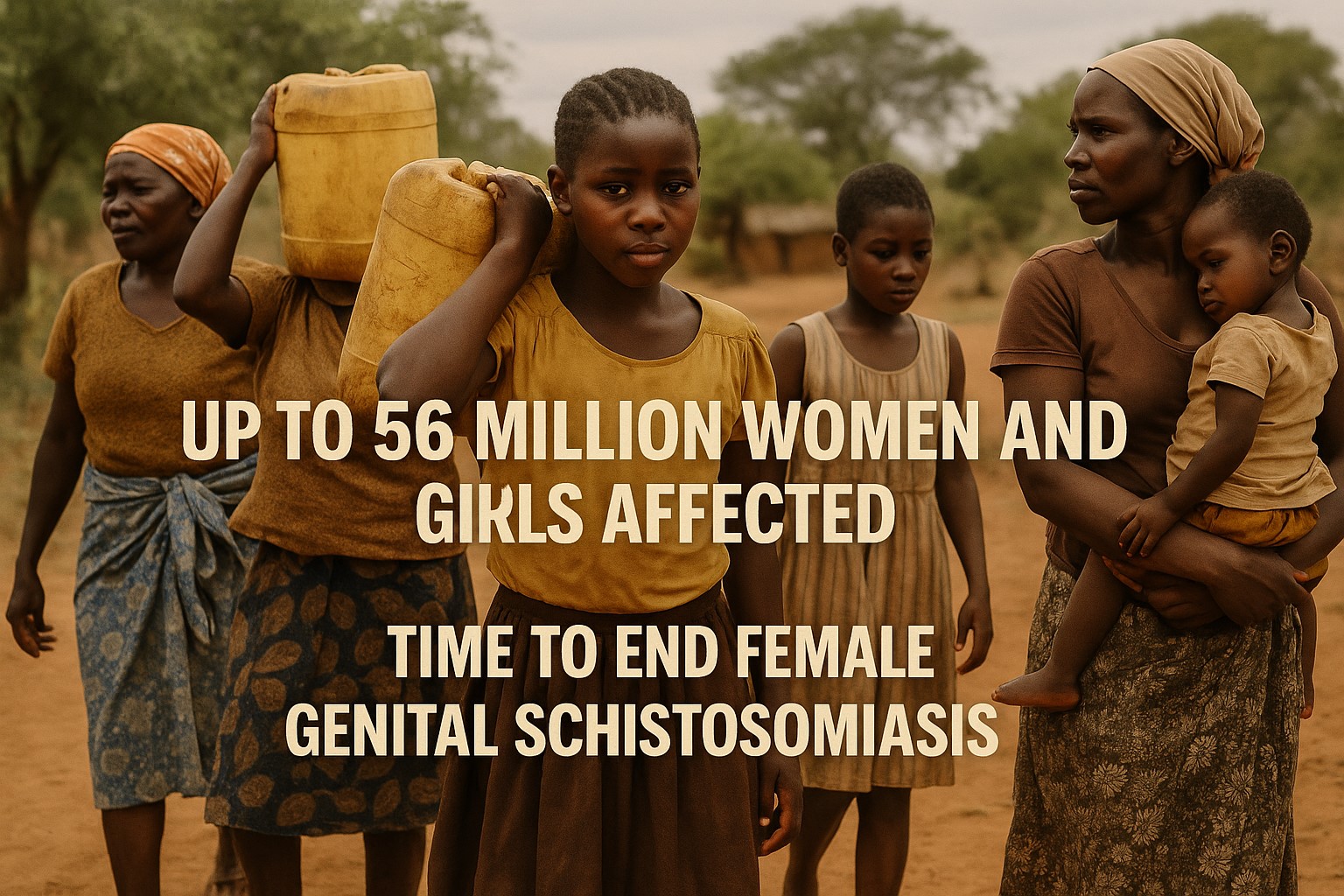
This is an urgent call to consolidate efforts and bring an end to Female Genital Schistosomiasis , a silent affliction that continues to tear women's lives apart.
So, how does urogenital schistosomiasis lead to FGS? According to multiple interviews with experts in neglected tropical diseases and research scientists, corroborated with information from the WHO and the US Centers for Disease Control and Prevention, FGS is caused by chronic inflammation when eggs of the Schistosoma haematobium are lodged in the urogenital tract. Schistosomiasis is caused by blood trematodes in the genus Schistosoma. The three main species infecting humans are Schistosoma haematobium, Schistosoma japonicum, and Schistosoma mansoni, which cause two types of schistosomiasis: intestinal and urogenital.
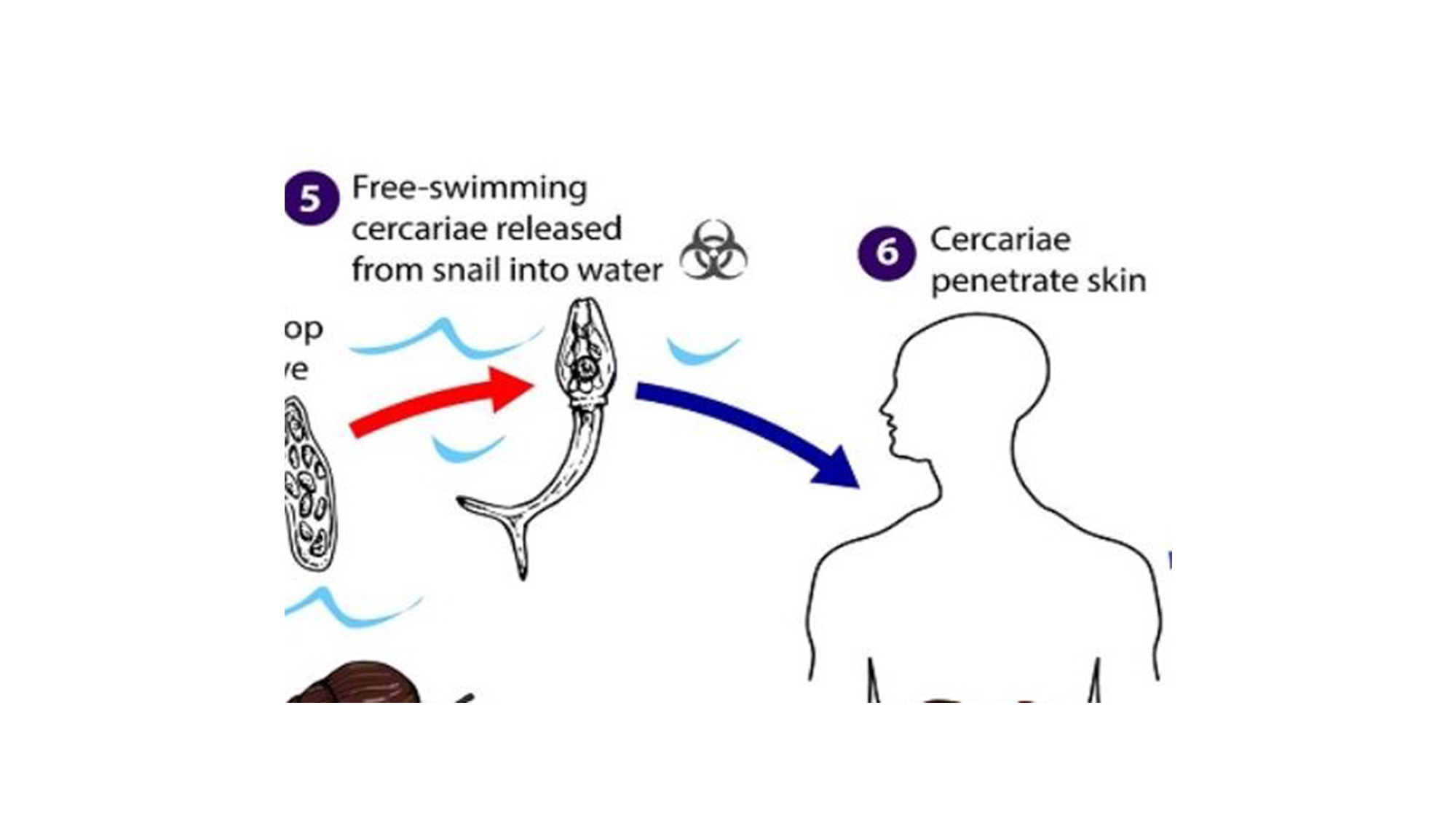
Urogenital schistosomiasis, found only in Africa, the Middle East, and Corsica (France), is caused by Schistosoma haematobium. The infection begins when parasite eggs leave an infected person's body through faeces or urine. If these eggs reach freshwater, they hatch into tiny larvae called miracidia. These miracidia swim in the water until they find and enter specific freshwater snails. According to the WHO, Bulinus snails are associated with urogenital schistosomiasis and FGS, while Biomphalaria snails are linked to intestinal schistosomiasis. Inside the snail, the parasite undergoes several development stages, multiplies, and transforms into cercariae, the infective larval stage.
At this point, the tiny tadpole-like larva with a forked tail breaks out of the snail’s tissue and exits into the water. When people come into contact with contaminated water while swimming, bathing, washing, or collecting water, for example, the cercariae penetrate the skin. Once inside the body, they shed their tails and become schistosomulae, the juvenile form. These travel through the bloodstream to the lungs, then to the heart, and eventually to the liver, where they mature into adult worms.
The male and female worms then pair for life and migrate to blood vessels near the intestines or bladder, depending on the species. There, the female lays hundreds to thousands of eggs. Some are excreted in urine or faeces, continuing the cycle, but many become trapped in body tissues. In women, this causes the worst complications, turning urogenital schistosomiasis into FGS.
“Female genital schistosomiasis is a complication resulting from urogenital schistosomiasis. That’s why I say, where urogenital schistosomiasis exists, there’s a high likelihood of FGS,” says Nickson Mugoha, the deputy county coordinator for neglected tropical diseases in Homa Bay.
“When someone gets infected, the parasite enters their body as a larva and grows into an adult in about two weeks. After around four weeks, the adult worms start laying eggs. The body doesn’t notice the worms, but it sees the eggs as harmful and tries to get rid of them.
Some eggs leave the body through urine or stool, but others get stuck in body tissues. This causes the body to react and leads to swelling and inflammation. If this happens in the reproductive organs, it leads to FGS, which causes ongoing pain and serious health problems.”
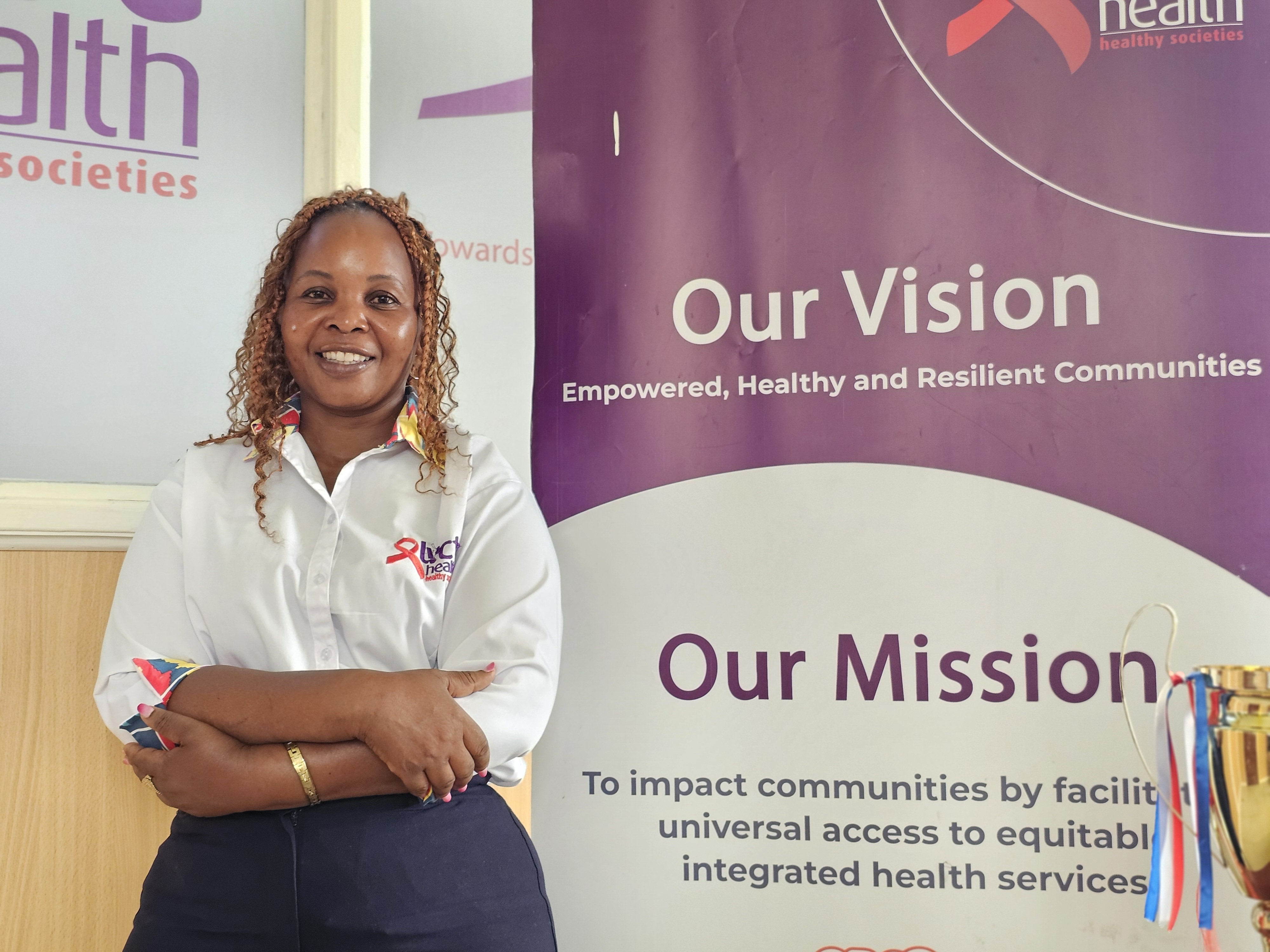
Millicent Ouma, Senior Research Officer in the FGS study at LVCT Health, says that if FGS is left untreated, it can lead to serious health complications. She spoke to The Voice on April 16, 2025, at their offices in Homa Bay County. Moraa Obiria/Nation Media Group
Dangerous complications
Millicent Ouma, a senior research officer in the FGS study at LVCT Health, highlights these complications. “If left untreated, FGS can lead to serious health issues. Prolonged vaginal bleeding can cause anaemia. Eggs lodged in the uterus or fallopian tubes can lead to ectopic pregnancies, which occur when a fertilised egg implants outside the womb and cannot survive.”
The symptoms of FGS such as vaginal discharge, itching, and pain, often mimic STIs, leading to stigma or self-stigma, especially when women are wrongly assumed to have a sexually transmitted infection. A major consequence of FGS is infertility, whether primary (never having conceived) or secondary (inability to conceive after previous pregnancies) due to the formation of scar tissue in the fallopian tubes, uterus, cervix, and vaginal wall caused by the parasite’s eggs.
“The spiked eggs damage delicate reproductive tissues, creating tiny lesions. As these heal, they form scars. Repeated cycles of this process can narrow or block the fallopian tubes, preventing the ovum (egg) from reaching the uterus,” Millicent explains. “In cases where a fertilised egg makes it to the uterus, the environment may be compromised by parasitic eggs and scar tissue, preventing implantation, hence ectopic pregnancies.”
For Risper and her husband, Jackson, who hope to have another child, this information is deeply concerning and raises many questions.
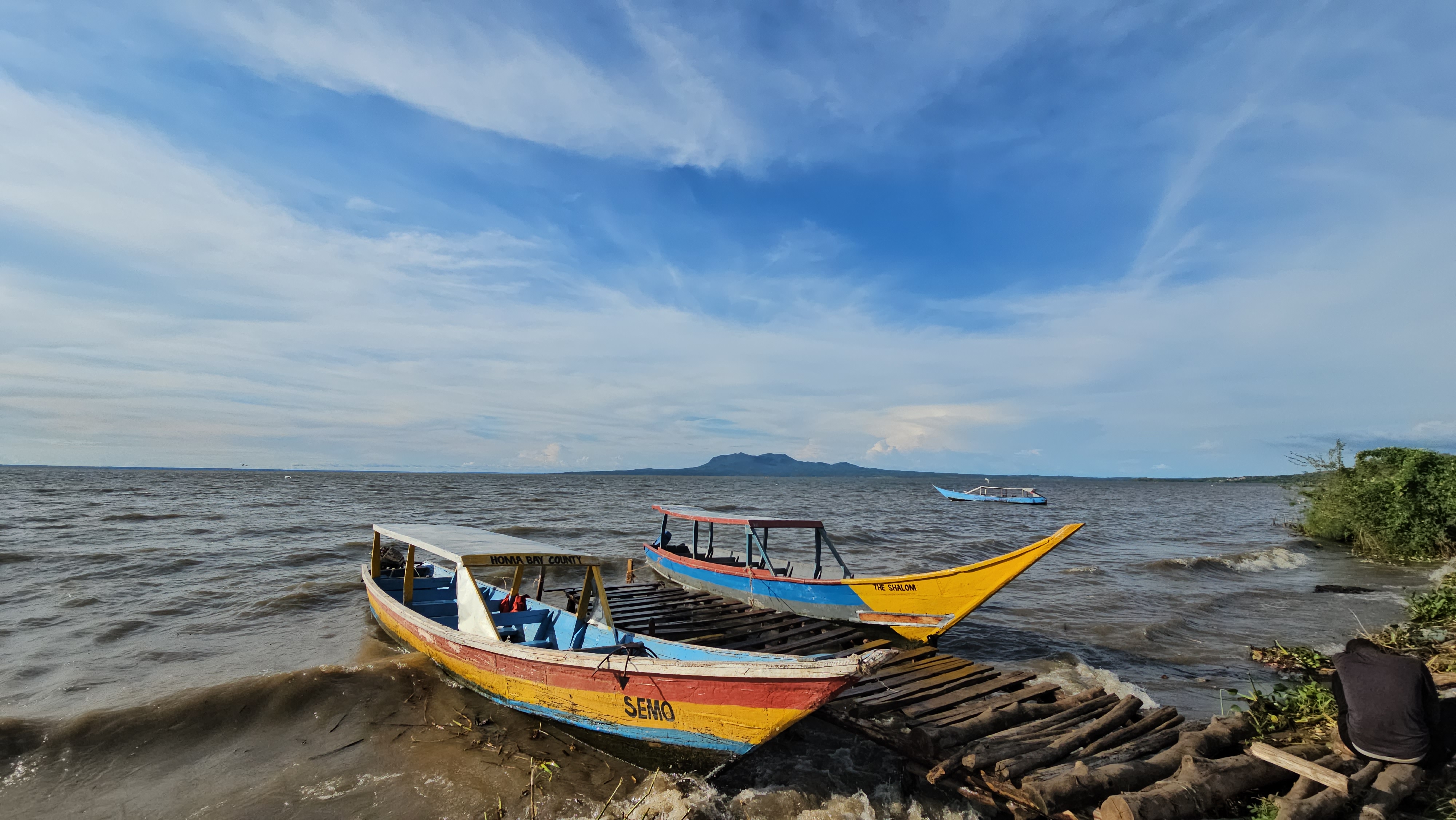
A view of Lake Victoria in this photo taken on April 16, 2025. According to Nickson Mugoha, Deputy County Coordinator for Neglected Tropical Diseases in Homa Bay County, proximity to Lake Victoria increases the risk of intestinal schistosomiasis, with prevalence as high as 60 per cent in some wards. Moraa Obiria/Nation Media Group
Her case is unique as it doesn’t fit the typical FGS transmission cycle. Before she lost her sight, she had never fetched water from Lake Victoria, their primary water source at the time. Her son did. But in 2018, something happened that exposed her to the risk. Her sisters dragged her to swim with them in the lake, and during the outing, they relieved themselves in the water. A moment of joy unknowingly turned into danger.
Although this does not necessarily mean they released the infective form of the parasites that immediately infected her, it highlights that the habit of urinating in freshwater does not stop with them. The poor sanitation practices of residents predispose others to infection by releasing parasite eggs into the water, which later mature into infective forms and lie in wait for the next unsuspecting person, like Risper at the time.
She was unaware then of the risk she was taking. This is the explanation she later gave to the healthcare worker who examined and tested her. She asks Millicent, “Will this disease ever come to an end?”
“Only if you stop interacting with infested water,” Millicent replies.
Risper currently uses piped water but does not know the source.
“For the cycle to be broken, open urination and defaecation must stop, especially in freshwater sources. But your responsibility now is to keep attending hospital checkups to ensure the problem is completely addressed,” Millicent advises.
“For FGS to be cleared from your system, all adult worms must be killed and expelled. Praziquantel only kills adult worms. The young worms remain, but if you avoid contact with infested water, which would reintroduce the parasites, then continued treatment will eventually free you from the parasite and FGS.”
No child
The fact that FGS leads to severe gynaecological complications, including infertility, leaves women vulnerable to the enduring stigma of being unable to bear children and increases their risk of domestic violence.
This is the situation Alifa* finds herself in. She endured FGS symptoms for nearly a decade, surviving only on medication prescribed for what she was repeatedly misdiagnosed as a sexually transmitted infection. It was only last year that she finally received the correct treatment. While her physical symptoms have since eased, she now faces another deeply personal struggle.
“I’m married, and I had a child from another relationship before I got married. But in all the years we’ve been together, we’ve tried to have a child and it’s just not happening. Every time, my husband says he wants a baby. I feel bad,” she says, her voice heavy with hopelessness.
To understand whether FGS could be contributing to her situation, I consulted Millicent. She explained that while the disease can indeed cause long-term damage to the reproductive system, only a specialist – a gynaecologist – can confirm this through further examination.
“WHO estimates that nearly 56 million girls in Sub-Saharan Africa are affected by Female Genital Schistosomiasis (FGS).” #infertility #fertilitycare #who #africa #fgs@WHO @TheGhanaWeb https://t.co/QmJUyV29ph pic.twitter.com/n3PGJktHvU
— IFFS (@iffsfertility) June 4, 2024
Yet Alifa’s story is far from unique. Millions of women living in FGS-endemic regions remain at risk, not only because of the disease itself, but also of a dangerous lack of awareness that enables misdiagnosis and mistreatment.
While this is a systemic failure, for women like Risper, the need is urgent and immediate. “Since they already know there’s a problem, why can’t they come door-to-door to diagnose and treat us at home, just like they do with polio immunisation?” she asks.
*Name changed to protect the woman’s dignity.