The Attorney-General and Treasury Cabinet Secretary John Mbadi have asked the High Court to halt proceedings of a landmark constitutional case concerning the legality of nearly Sh7 trillion public debt pending an appeal.
They argue the court wrongly allowed the case to proceed despite an ongoing forensic audit, saying the dispute falls within the Auditor-General's constitutional mandate before judicial intervention.
National Treasury and Economic Planning Cabinet Secretary John Mbadi.
Photo credit: File | Nation Media Group
The application stems from a ruling delivered on June 25, 2026, by Justices Francis Gikonyo, Roselyne Aburili and Moses Ado, who rejected the Attorney-General's argument that the petition, which is also seeking disclosure of the public debt, offended the doctrines of exhaustion, ripeness and separation of powers.
Attorney-General Dorcas Oduor and Mr Mbadi are seeking to stop a hearing scheduled for October, warning that the case proceedings would undermine the intended appeal and disrupt the constitutional oversight process.
The AG is dissatisfied with the court's ruling that dismissed her bid to halt the petition in favour of an ongoing forensic audit by the Auditor-General, prompting the intended appeal.
"Being dissatisfied with the ruling, the Attorney-General filed a notice of appeal dated June 30, 2026, expressing the intention to appeal against the whole of the said ruling. Unless the proceedings in this matter are stayed, the intended appeal would be rendered nugatory," says State counsel Samwel Kaumba, representing the Attorney-General, in court papers.
The petition, filed by Busia Senator Okiya Omtatah and eight other petitioners, challenges the constitutionality of about Sh6.95 trillion in public borrowing accumulated between the 2014/15 and 2023/24 financial years, including Eurobond loans.
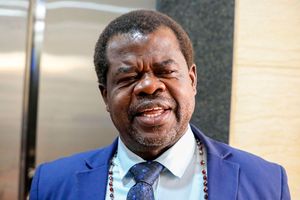
Busia Senator Okiya Omtatah.
Photo credit: Dennis Onsongo | Nation Media Group
It also seeks declarations on the legality of the borrowing process, accountability of public officials and the constitutionality of parts of the Public Finance Management Act.
Additionally, petitioners want a determination on whether former and current public officials, including Treasury, Controller of Budget and Auditor-General office holders, should be held personally liable under Article 226(5) of the Constitution for allegedly directing, approving or authorising the alleged unlawful borrowing, withdrawal, expenditure or repayment of public funds contrary to the law.
The Attorney-General lodged a notice of appeal after the bench dismissed her bid to have the case struck out or suspended.
The judges held that the constitutional issues raised in the petition could proceed despite the ongoing audit.
In the fresh application, the Attorney-General says the court should stay all proceedings until the Court of Appeal determines the intended appeal.
"The court erred in law and fact in holding that the dispute raised by the petitioners transcends an audit of public debt to the extent that the dispute additionally involved questions regarding the constitutionality of certain provisions of the Public Finance Management Act and on that basis alone could not decline jurisdiction," says State counsel Kaumba.
Mr Mbadi, in a supporting affidavit, says the court erred by assuming jurisdiction over issues that are already the subject of the Auditor-General's constitutional mandate under Article 229 and the Public Audit Act.
"The learned judges improperly assumed jurisdiction over matters that constitutionally fall within the exclusive investigative and audit mandate of the Auditor-General," Mr Mbadi says in the affidavit.
He also argues that the court should have distinguished between constitutional questions and factual issues concerning public debt that are under forensic examination.
"The constitutional questions relating to the validity of certain provisions of the Public Finance Management Act could have been severed and heard separately from issues relating to the forensic audit," he says.
The Attorney General Dorcas Oduor.
Photo credit: Dennis Onsongo | Nation Media Group
Attorney-General Oduor argues that allowing the petition to proceed before the appeal is heard would defeat the intended appeal.
In the certificate of urgency, the Attorney-General said the matter required immediate intervention because the High Court had fixed the petition for hearing on October 24 and 25, 2026.
The Attorney-General also told the court that failure to suspend the proceedings would occasion "irreparable constitutional prejudice" to the Auditor-General's office by permitting judicial proceedings to continue while a constitutionally mandated forensic audit remains underway.
In the contested ruling, the bench held that although the forensic audit covers many of the issues raised in the petition, the case goes beyond an audit because it seeks constitutional declarations and remedies that neither the Auditor-General nor Parliament can grant.
The judges also ruled that requiring the petitioners to await the outcome of a process whose alleged constitutional failures form part of the dispute would not bar the High Court from exercising its jurisdiction.
In separate rulings issued the same day, the court dismissed applications by former Controller of Budget Agnes Odhiambo, current Controller of Budget Margaret Nyakang'o, former Auditor-General Edward Ouko and Auditor-General Nancy Gathungu seeking to be removed from the proceedings.
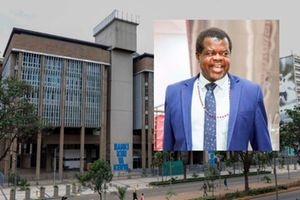
Controller of Budget Dr Margaret Nyakang'o during an interview at her Bima House office in Nairobi on January 27,2026.
Photo credit: Evans Habil | Nation Media Group
The judges held that the petition contained allegations capable of being examined at trial and found that they were necessary parties to the case.
However, the court struck out the International Monetary Fund from the proceedings after finding that it enjoys immunity from judicial process in Kenya under the Bretton Woods Agreements Act and had not waived that immunity.