The rains
are coming.
Sea surface temperatures across the tropical Pacific have crossed the El Niño threshold and are still climbing. Forecasters expect the event to strengthen into a moderate-to-strong episode by late 2026, reshaping rainfall from East Africa to the Americas.
Story & Illustration: Bilha Achieng | Layout: Geoffrey Onyambu | Published: 29th July, 2026
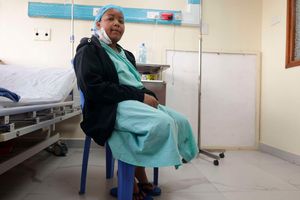
El Niño is coming. The United Nations is 90 per cent sure that the heavy rains will fall. As the government and other agencies face a preparedness test to avoid fatalities, displacement, injuries and property damage in flood-prone areas, are you ready for the heavy rainfall? Here is a list of things you can do if you live in a flood prone area.
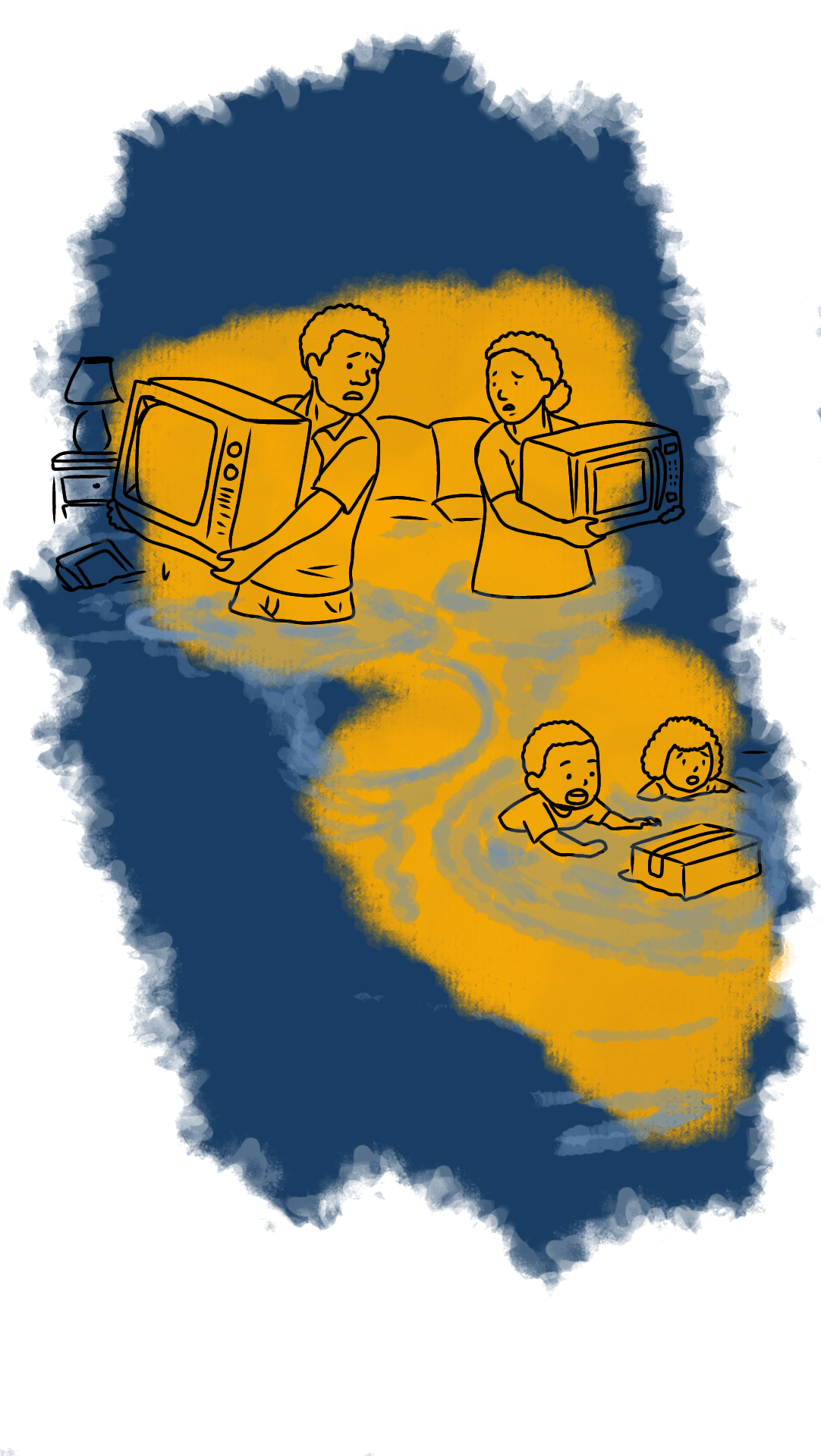
Mind your environment
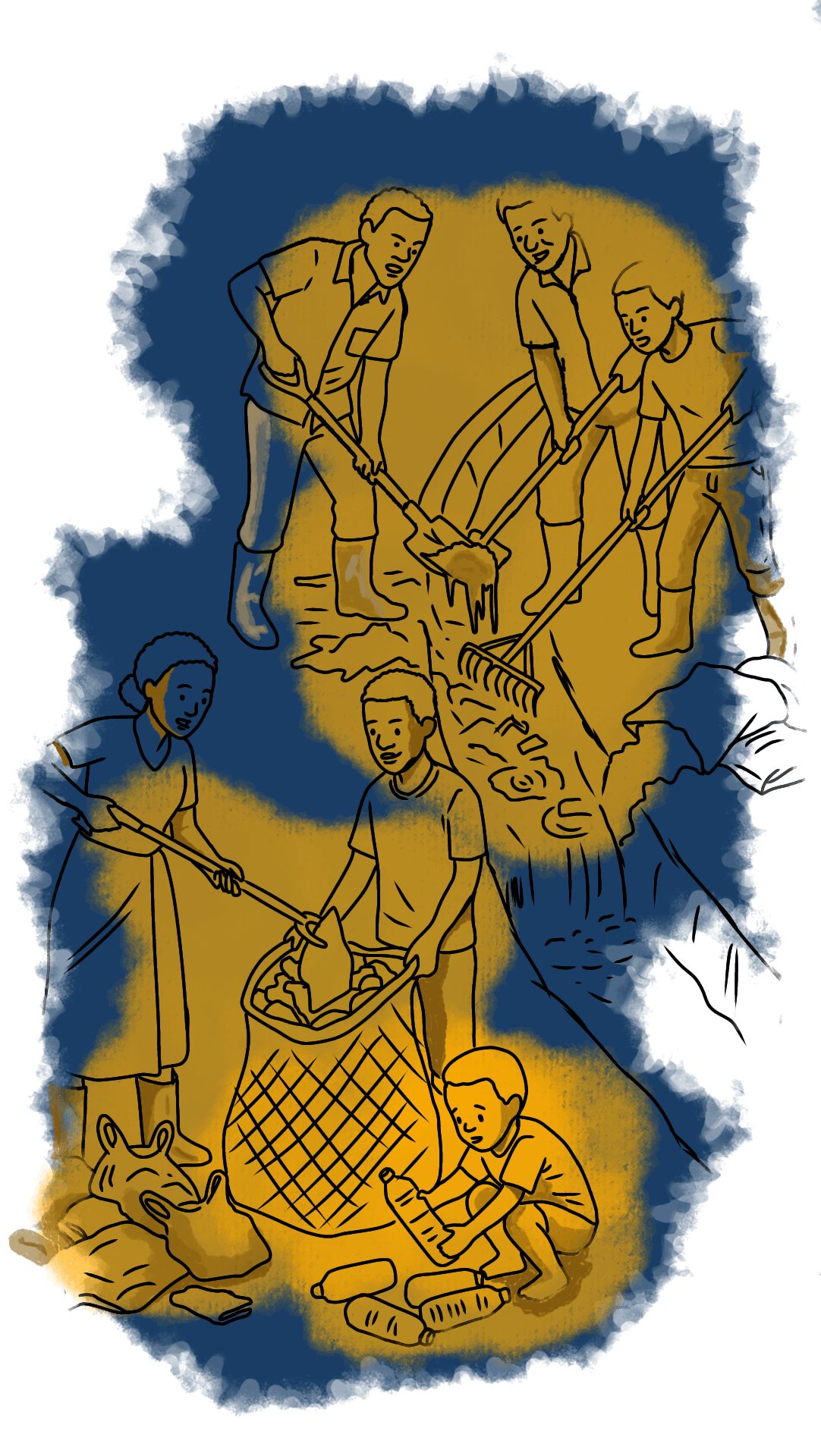
Organize neighbourhood cleanups for trenches and drains. Remove plastic bags, bottles and silt. Remember, one blocked roadside culvert can flood dozens of homes. Sensitize each other on avoiding littering and illegal dumping, as that will undo the hard work. Raise alarm when you spot someone littering or dumping waste and sensitize them on the problem they are causing.
Survival packs
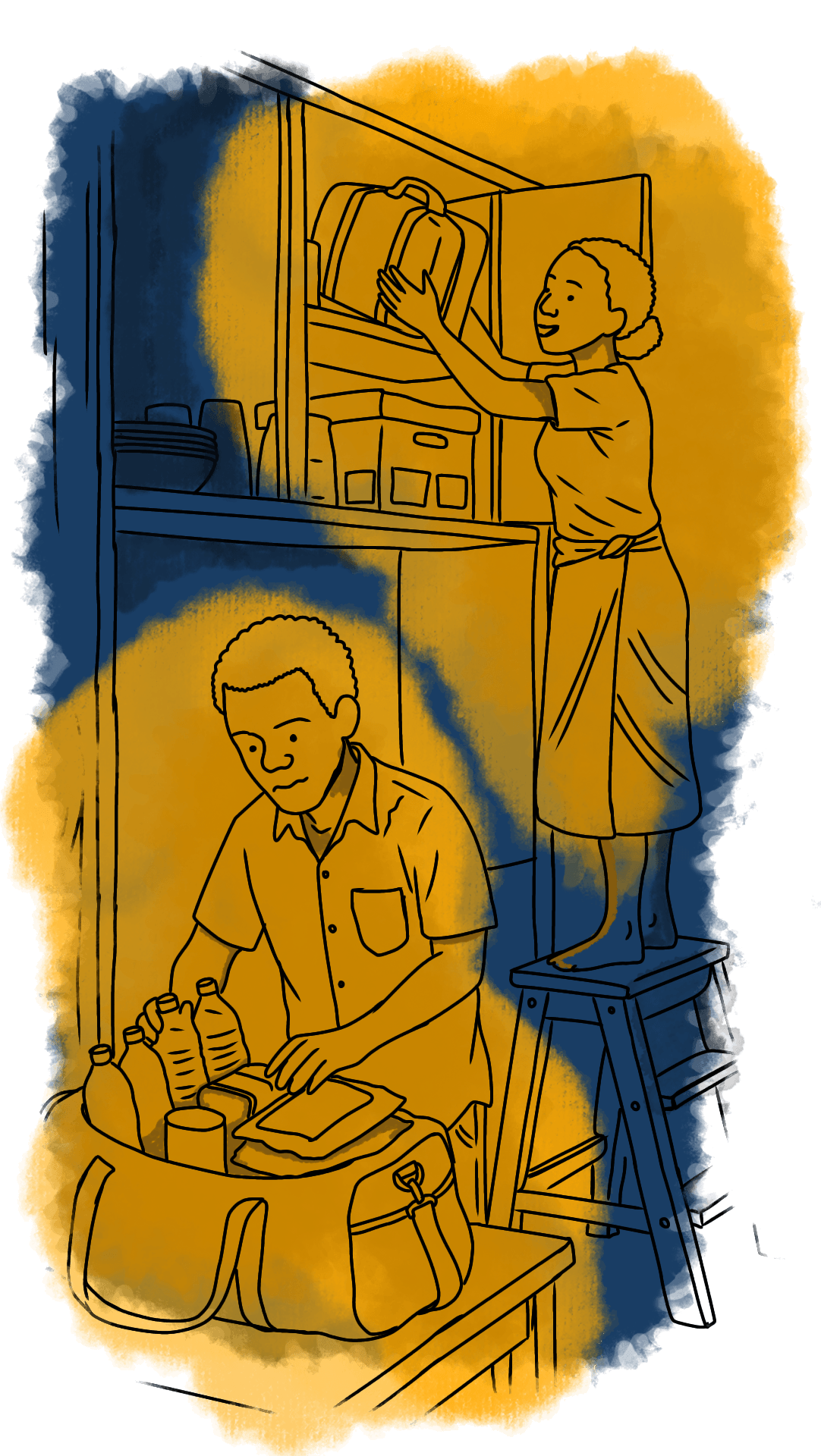
Keep sensitive documents in a plastic bag, then store the bag in an elevated space. Pack a bag with some water, dry foods, torch, basic medicine like painkillers and copies of important documents.
The emergency bag is to be kept within reach, in case you need to evacuate the house urgently on account of flooding. Mark the highest spot water has ever reached during past flooding incidents, that is your guide as to what height valuables should be stored. Where possible, elevate beds, furniture and electronics like TVs for instance by keeping them standing on bricks.
Communication and awareness
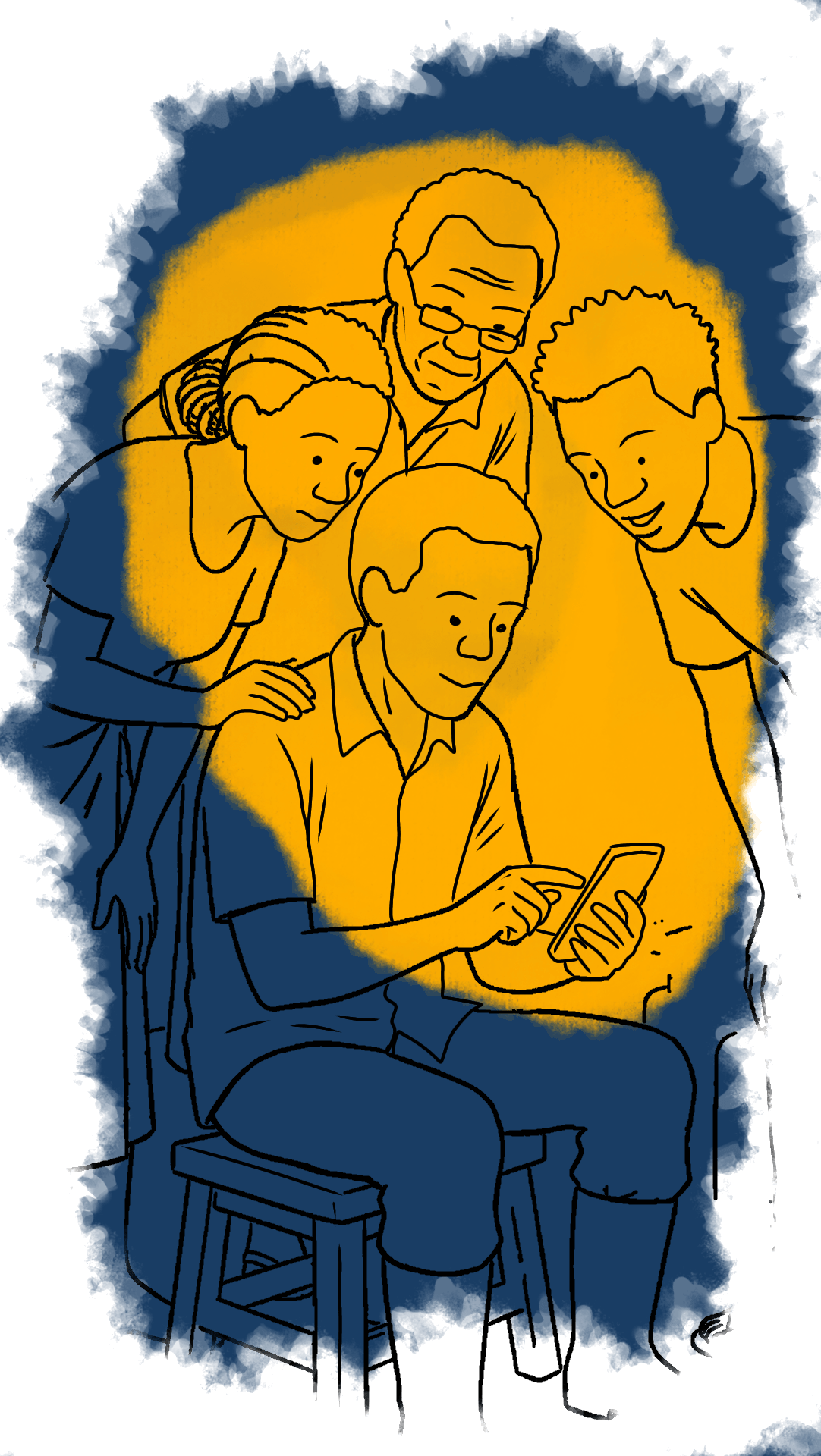
Form or join community WhatsApp groups specifically for alerts and sharing verified information. Members of the groups must be reminded to only share verified news or information, and avoid flooding them with unrelated material.
Identify higher grounds in your neighbourhood and safe spaces like police stations and churches where people can converge in the event of excessively heavy floods.
Landlords and homeowners with compounds
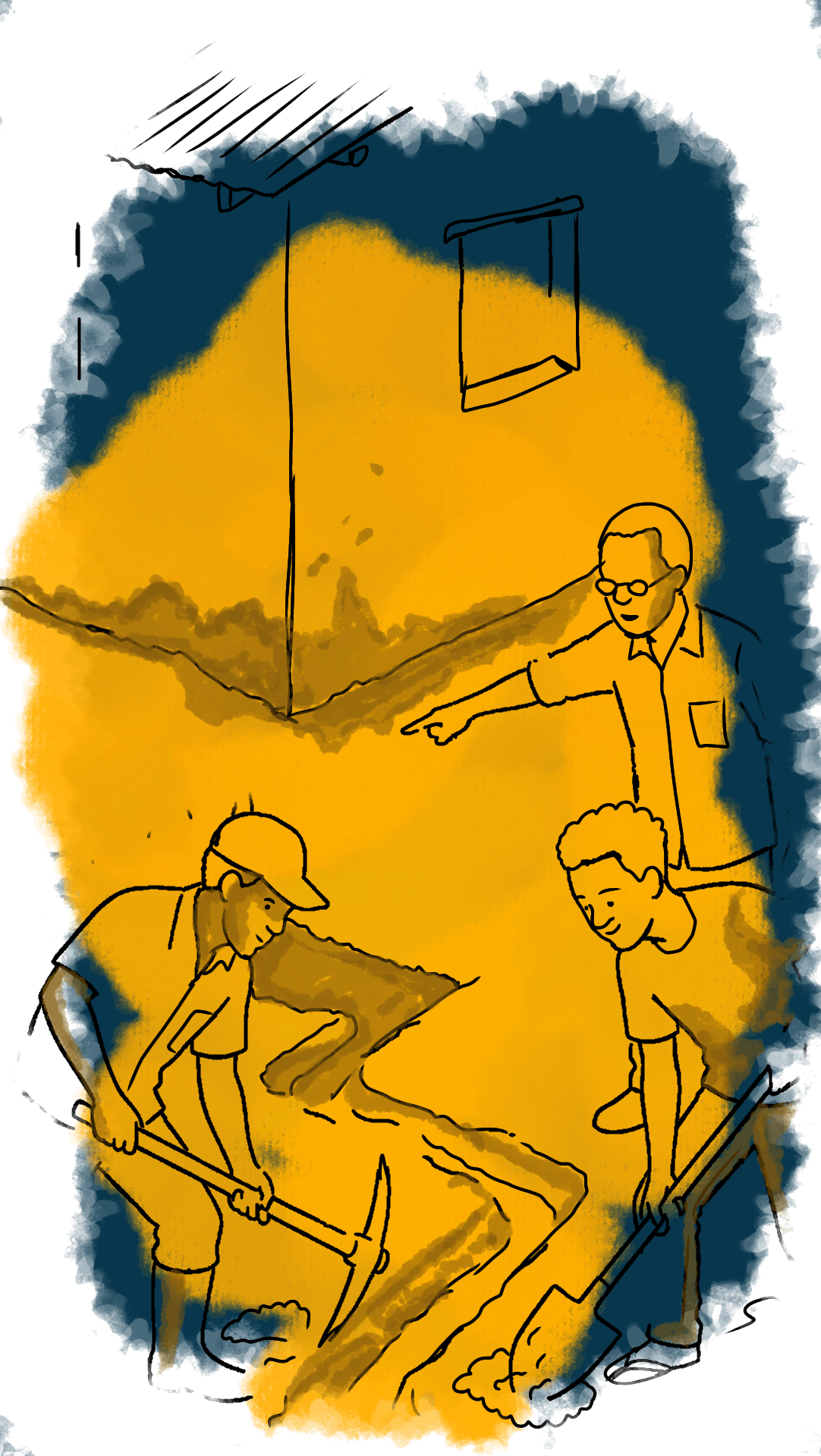
For highrise building owners, check stormwater systems before October and ensure roofs are repaired. Also encourage tenants to join a common WhatsApp group for easier, one-stop communication.
For homeowners with compounds, consult professionals on creating temporary retention areas where water can collect away from the building, or small trenches that can lead water away from the building but not towards neighbours’ buildings.
Some flooding causes
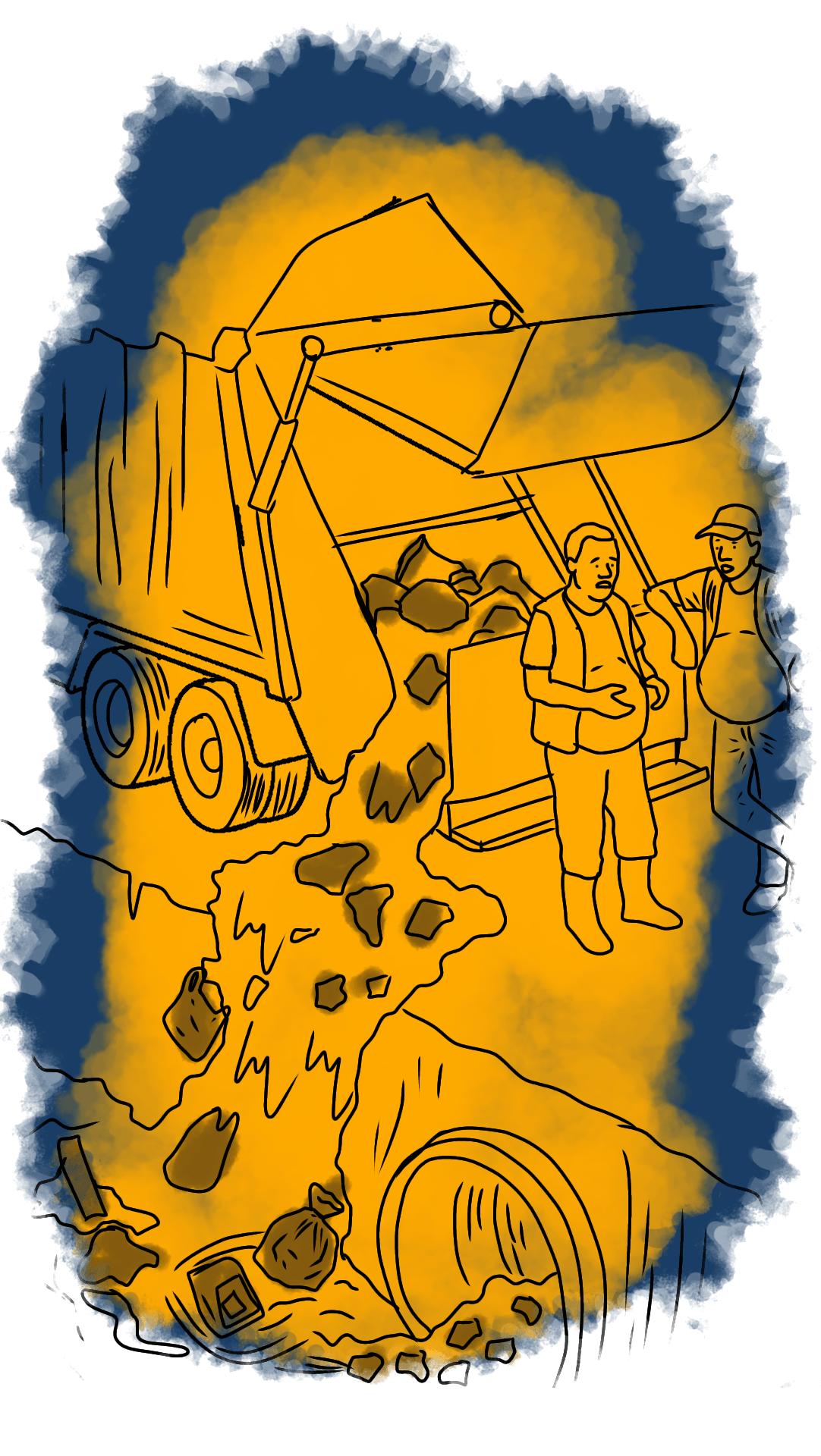
Encroaching wetlands, blocked drainage, building on wetlands and poor waste disposal are some of the bad behaviours that contribute to flooding. Let’s stop bad behaviour!
The gap between forecast and readiness
The science of predicting El Niño has improved faster than the infrastructure built to withstand it.
Many cities in flood-prone regions still run on storm drains sized for rainfall patterns from decades ago, so even a normal El Niño downpour can overwhelm systems that were never rebuilt to match today's intensity.
Preventive measures such as restoring wetlands, mangroves, and river buffer zones slows runoff and absorbs excess water, taking pressure off storm drains at a fraction of the cost of rebuilding concrete infrastructure.