Hello
Your subscription is almost coming to an end. Don’t miss out on the great content on Nation.Africa
Ready to continue your informative journey with us?
Hello
Your premium access has ended, but the best of Nation.Africa is still within reach. Renew now to unlock exclusive stories and in-depth features.
Reclaim your full access. Click below to renew.
THIS DOCUMENT IS CLASSIFIED AS EYES ONLY AFFECTING NATIONAL SECURITY AND HAS BEEN HANDLED AS ABOVE-SECRET WITH A NEED TO KNOW BASIS.
ONLY DESIGNATED PERSONS WITH AUTHORIZED ACCESS HAVE ACCESS. COPYING REQUIRES AN APPROVED CREDENTIAL ID.
WITH AUTHORITY OF DCI.
Approved by:
Prudent Officer, Director, INVESTIGATIONS.
WANTED
The Robber Who Tried To Claim Getaway Car From Police Station
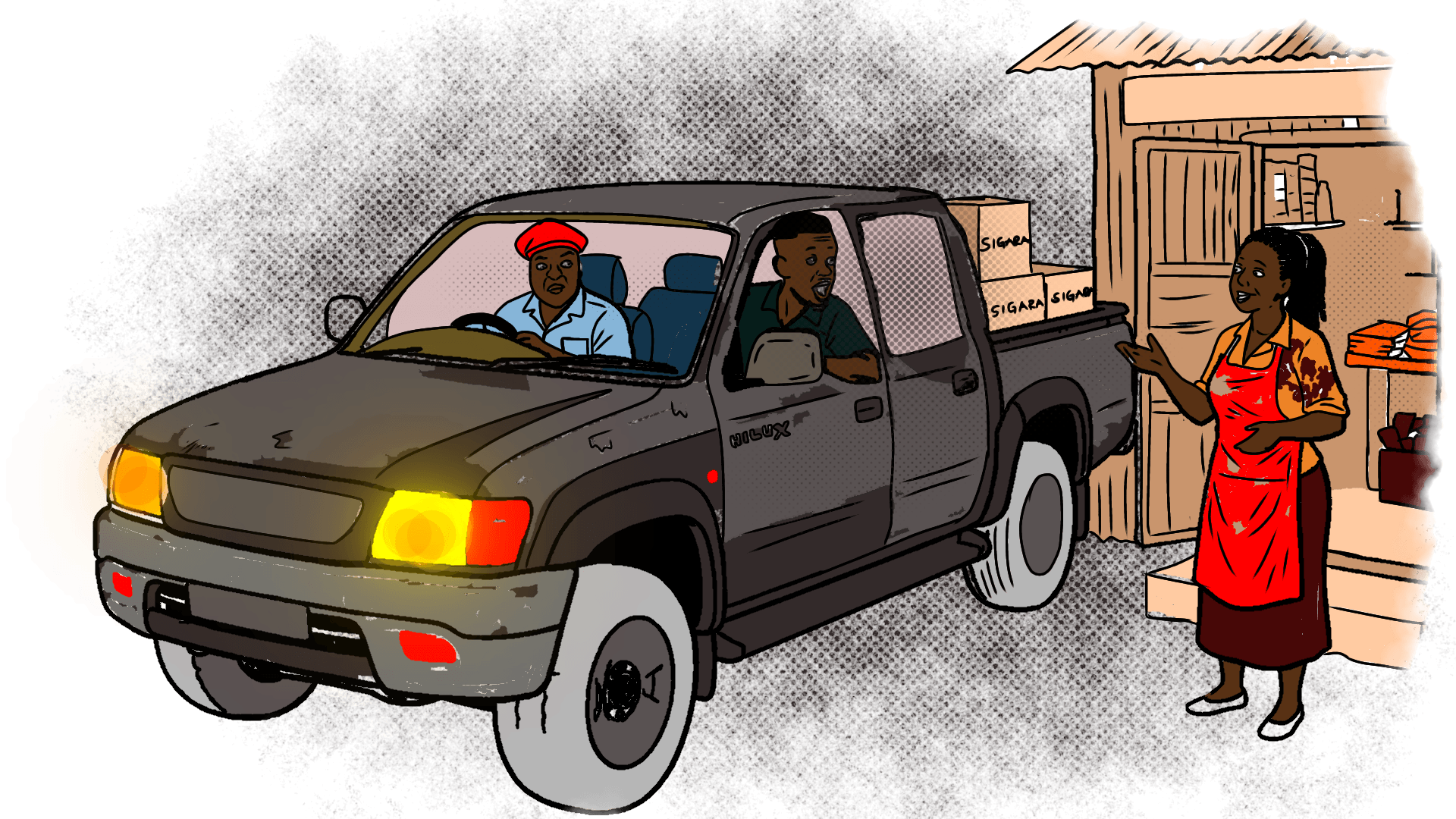
Stephen Weru Ngatia and his driver Moses Kanyua are at a market in Mathira Constituency, Nyeri County on January 31, 2001. They distribute cigarettes, and are now delivering Cecilia Marigu’s stock.
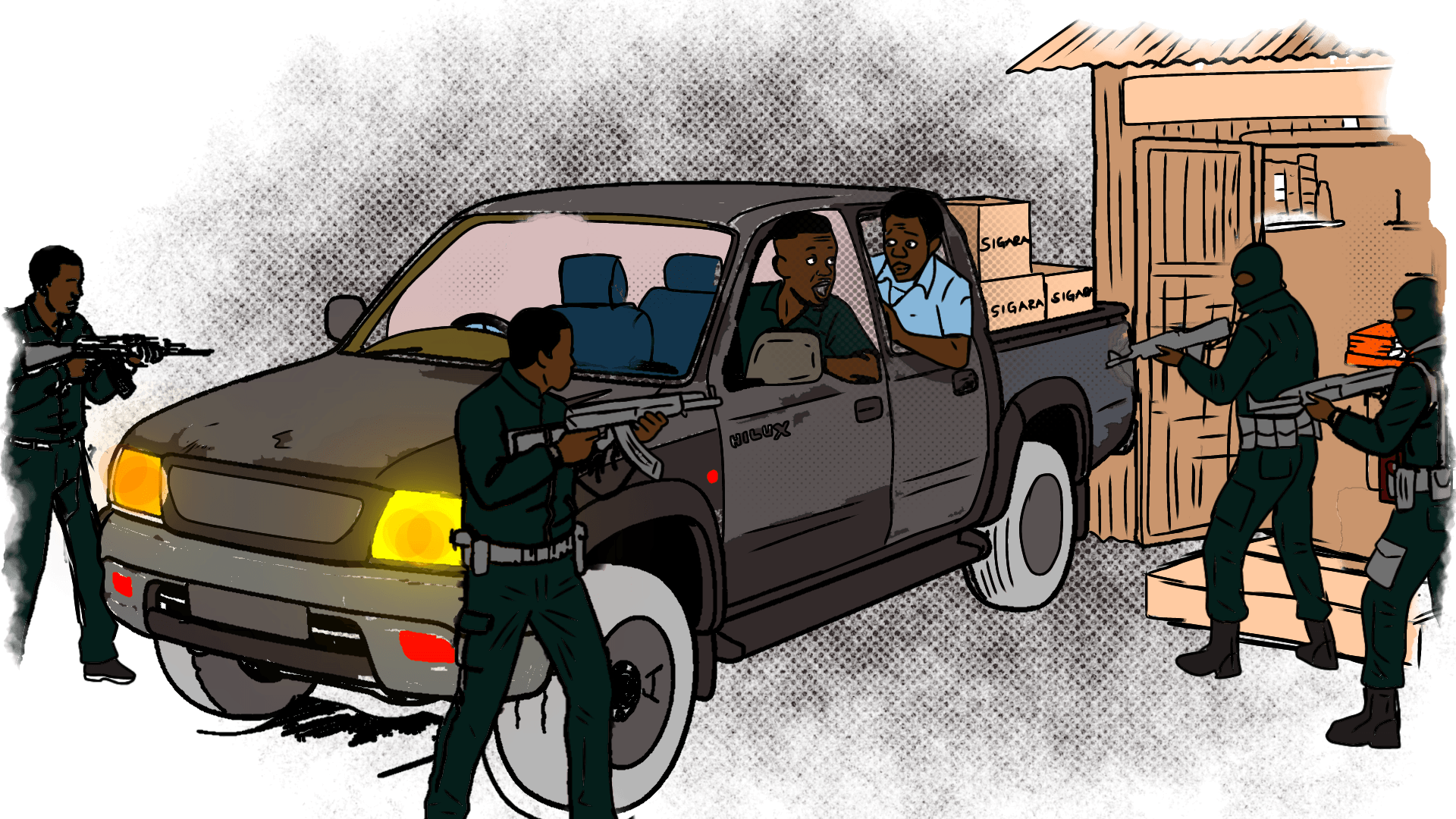
Four men, each armed with an AK-47 rifle, suddenly emerge from behind Stephen and Moses. They order the two men into the back of the vehicle. With the gunmen closing in, Stephen and Moses comply, taking their seats as the robbers seize control of the car.
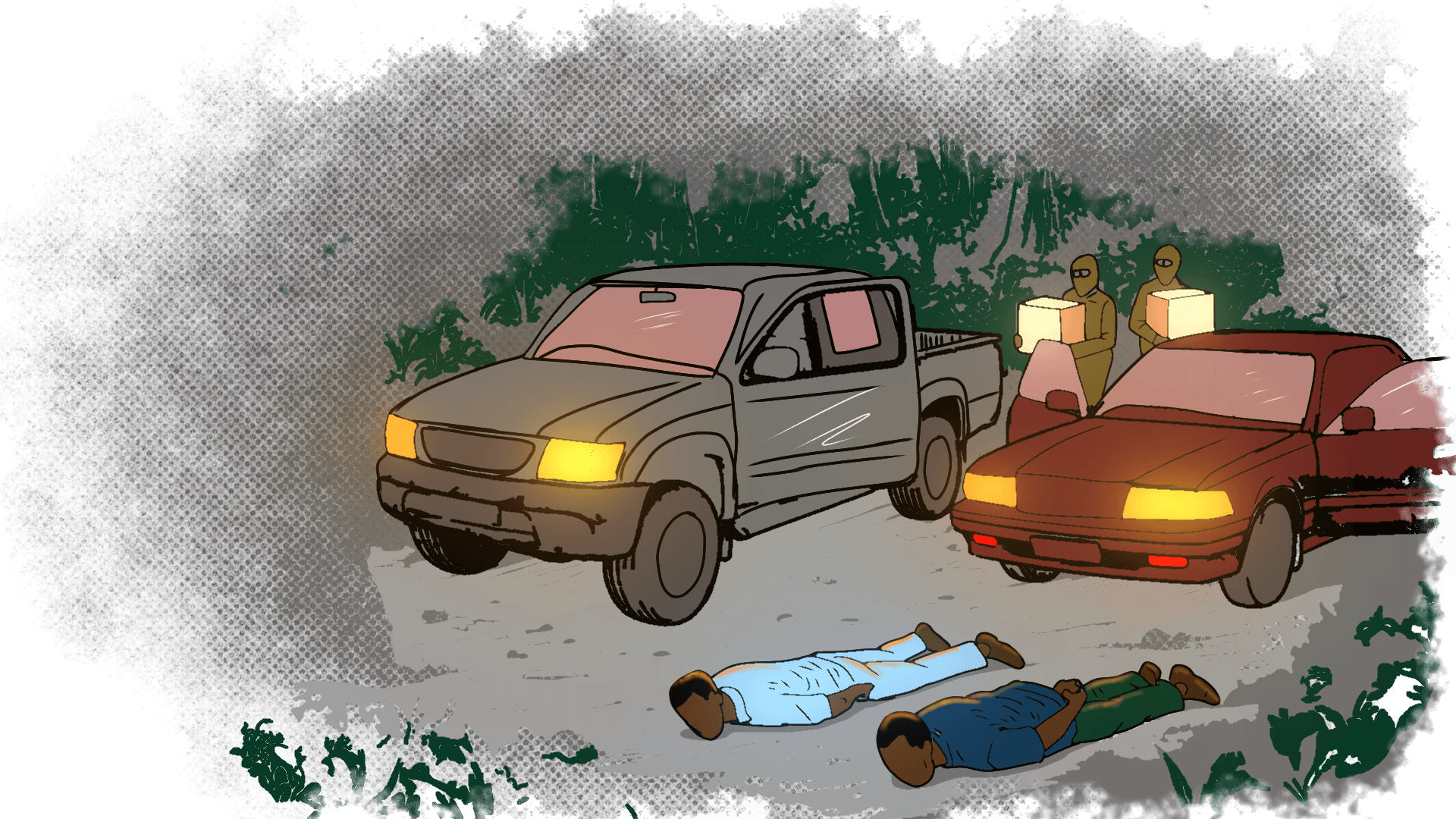
The gang drives towards Mt Kenya Forest, where they eventually pull over. They strip Stephen and Moses of their money and take two cartons of cigarettes. A saloon car carrying two occupants then arrives. The four gunmen climb aboard, and the vehicle pulls away, leaving Stephen and Moses behind.
Further along the highway, a Peugeot 504 station wagon pulls alongside the saloon car and signals it to stop. Behind the wheel is a police officer, who leans out and asks the driver whether he has seen a pickup transporting cigarettes.
Instead of answering, the saloon car's driver floors the accelerator and attempts to escape. The Peugeot turns around and gives chase. The fleeing car veers onto a murram road, with the police in pursuit.
Then the gunfire begins. One of the saloon car's occupants leans out of the window and opens fire on the pursuing officers. The police shoot back, but the odds are heavily against them: the robbers are armed with AK-47s, while the officers have only pistols.
The chase ends in a muddy stretch of road, where both vehicles become stuck. Outgunned, the officers retreat on foot, abandoning their immobilised Peugeot.
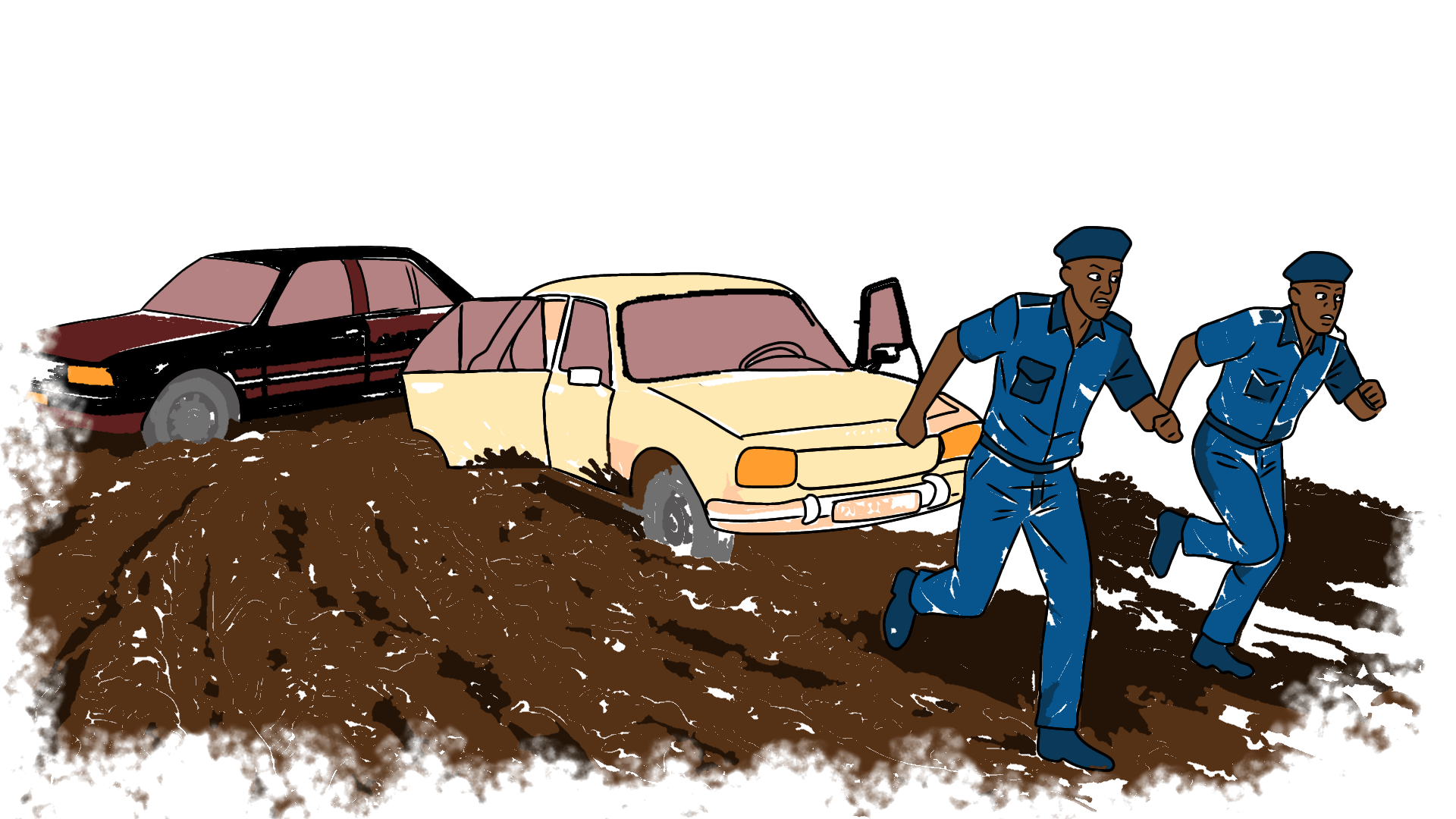
The robbers, however, are not finished. They push the police vehicle out of the mud, take control of it and drive away.
Later, police recover the gang's getaway saloon car and tow it to Nyeri Police Station. During their inspection, they notice something unusual: there is no key in the ignition.
The following day, a man named Augustine Mwenda Kiama walks into Nyeri Police Station with a story of his own. He claims that he was carjacked the previous day and abandoned in the Mukurweini area.
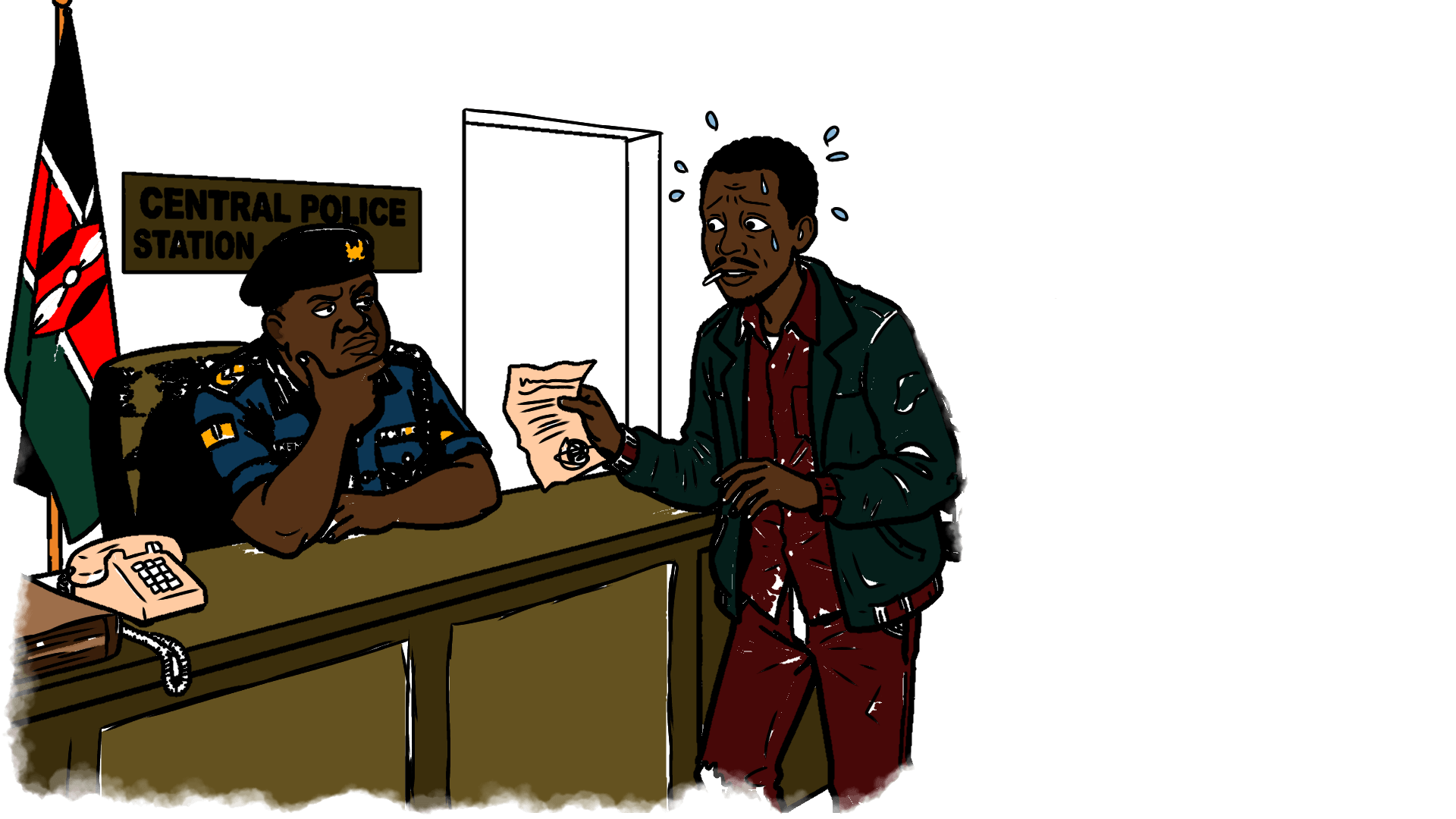
But his account immediately raises suspicions. Police Constable Anthony Munyago, one of the officers who had pursued the gang, is nearby. He recognises Augustine as the man who had been driving the black saloon car. Sergeant Gitonga recognises him too.
Munyago leans towards his colleague and whispers: “Hii sio ile jangili ilikuwa inaendesha gari ya wezi jana?”
Gitonga whispers back: “Ni yeye! Tukamate yeye bwana!”
The officers move in and surround Augustine. Laughing, they confront him with the recognition he clearly hadn't anticipated.
“Wewe tena! Unafikiri sisi ni wajinga? Jana ulikuwa unaendesha gari ya wezi, leo unakuja hapa kujifanya umeibiwa?”
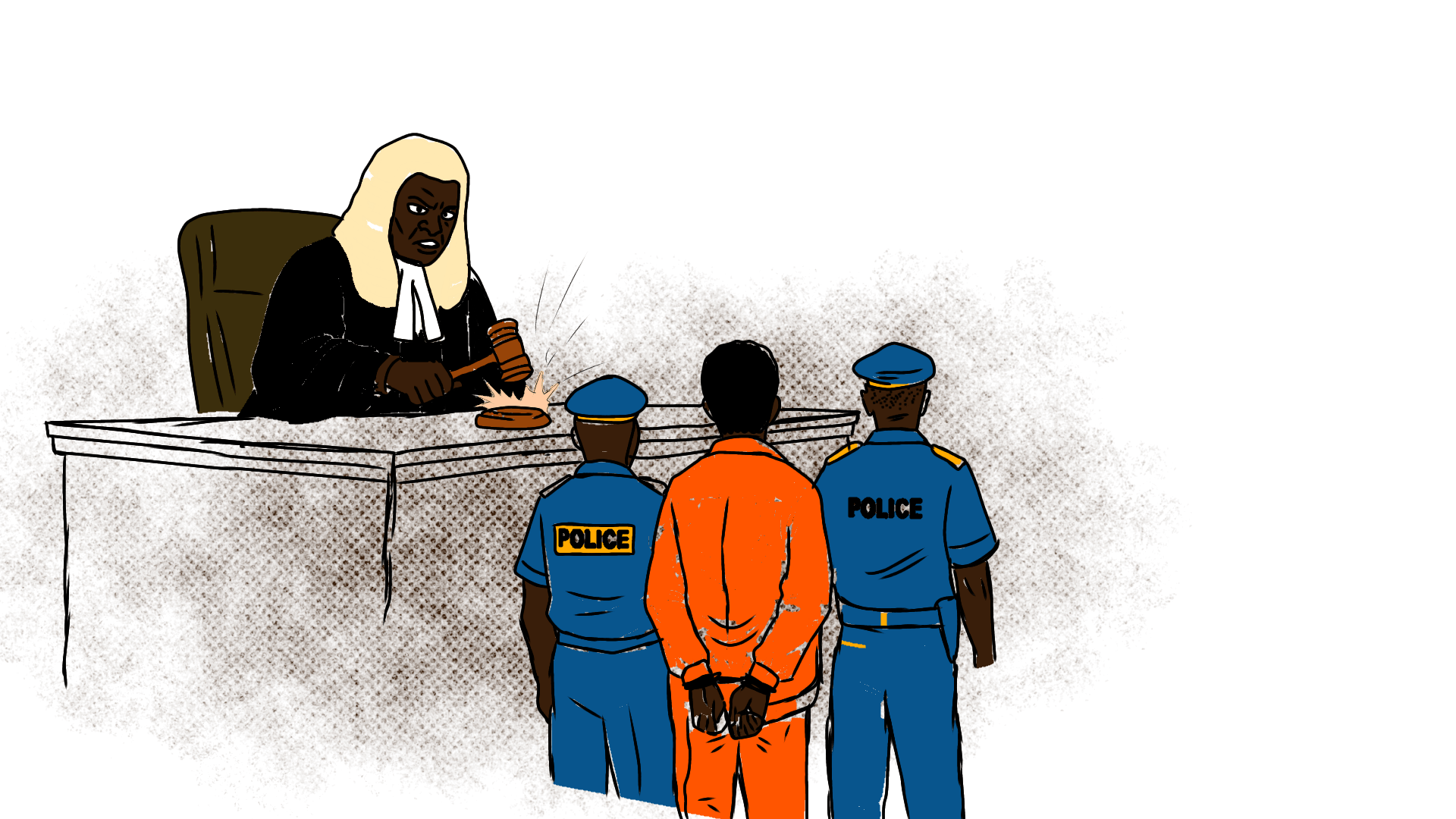
The man's story of being carjacked fails to convince the police. He is arrested and eventually brought before the court, where he faces two counts of robbery with violence.
The prosecution presents its case, including testimony from officers who identify him as the driver of the gang's getaway car. The court finds him guilty on both counts and sentences him to death.
Kiama challenges the convictions, but his appeals are unsuccessful. In February 2007, the Court of Appeal at Nyeri dismisses his second appeal, upholding the convictions and sentences.
Look out for Part 4