So, what makes this bout of pneumonia – a severe lung infection – so “complex”? And how will it be treated?
What is double pneumonia?
“Double pneumonia” is not an official medical term. It may be being used to describe two different aspects of Pope Francis’s condition.
An infection in both lungs doesn’t necessarily mean it’s more severe, but location is important. It can make a difference which parts of the lung are affected.
When just one part of the lung or one lung is affected, the person can continue to breathe using the other lung while their body fights the infection.
Lungs infected with pneumonia will have solid white areas on an X-ray.
Photo credit: Komsan Loonprom/Shutterstock
However when both lungs are compromised, the person will be receiving very little oxygen.
So, the cause could be two (or more) different kinds of bacteria, or any combination of bacteria, virus and fungus. It’s vital to know what’s causing the infection to effectively treat it.
Usually, when someone presents with suspected pneumonia the hospital will sample their lungs with a sputum test or swab.
Healthy lungs look “empty” on an X-ray, because they are filled with air. But pneumonia fills the lungs with fluid.
This means it’s usually very easy to see where pneumonia is affecting them, because the infection shows up as solid white mass on the scan.
The sputum or swab helps detect what is causing the infection and determine treatment. For example, a specific antibiotic will be used to target a certain bacterium.
Usually this works well. But if the infection is polymicrobial, the normal treatment might not be effective.
For example, the antibiotics may work on the bacteria. But if there’s also a virus – which can’t be treated with antibiotics – it may become the dominant pathogen driving the infection.
As a result, the patient may initially respond well to medication and then begin deteriorating again.
If the infection is caused by multiple bacteria, the patient might be given a broad-spectrum antibiotic rather than a single targeted drug.
A viral infection is harder to treat, as the anti-viral drugs that are available aren’t very effective or targeted.
In severe cases, a patient will also need to be in intensive care on a breathing machine because they can’t breathe alone. This helps make sure they receive enough oxygen while their body fights the infection.
It’s possible to recover, even from severe infections. However having pneumonia can damage the lungs, and this can make a repeat infection more likely.
Most people will never have a severe infection from these same pathogens. They may only experience a minor cold or flu, because their immune system can adequately fight the infection.
However, certain groups are much more vulnerable to developing a serious case of pneumonia.
age: babies under two, whose immune systems are still developing, and adults over 65, who tend to have weakened immune systems lung damage: previous infections can cause scarring lung disease: for example, if you have emphysema or chronic obstructive pulmonary disease being a smoker immunosuppression: if your immune system is weakened, for example by medication you take after a transplant or during cancer treatment.
He also had pleurisy (a condition that inflames the lungs) as a young adult . As a result, he had part of one lung removed, making him susceptible to lung infections.
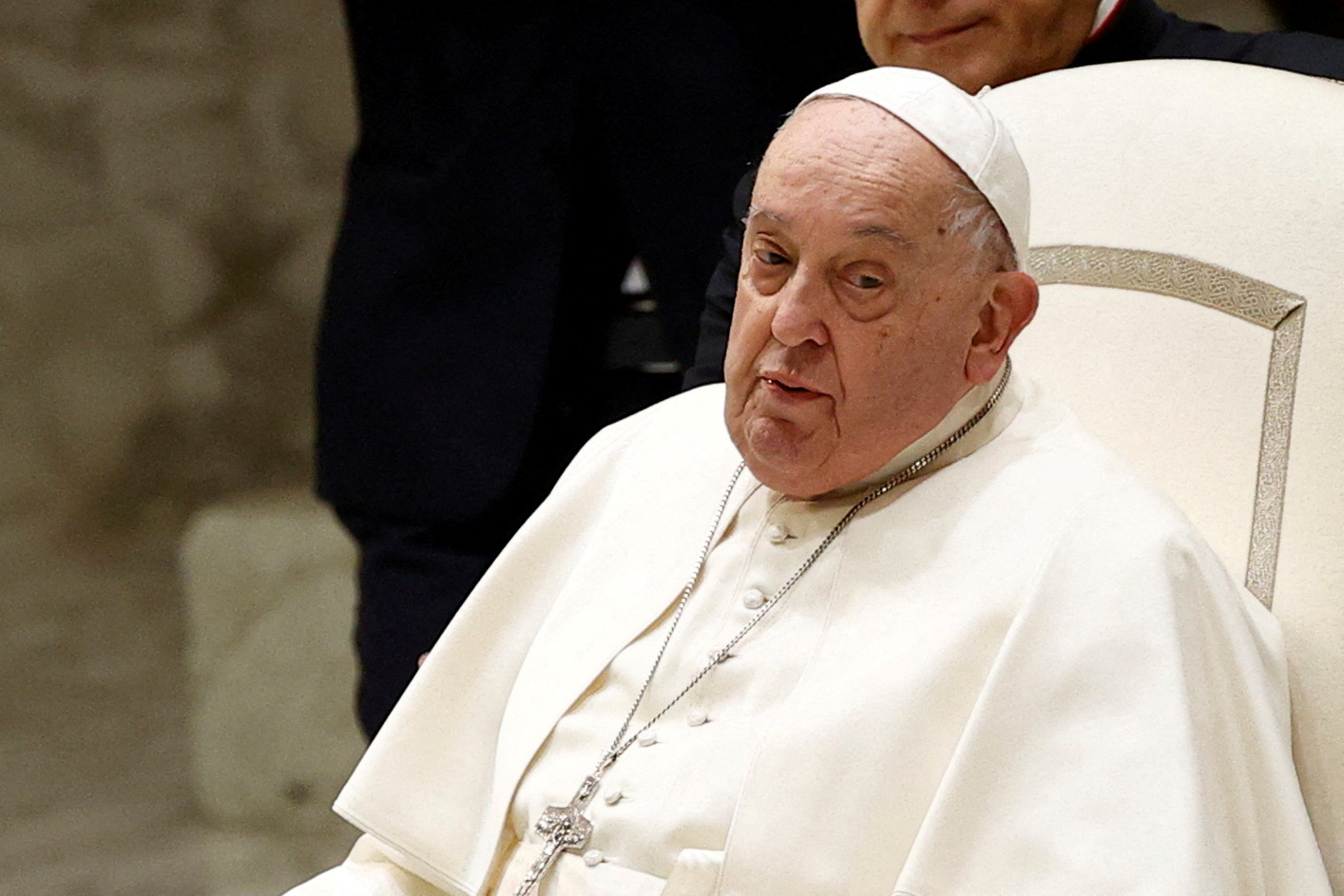
On Tuesday, the Vatican said Pope Francis remains “in good spirits” while he receives medical care and is grateful for the support he has received.