Debate on prosthetics and shoe technology won’t go away soon
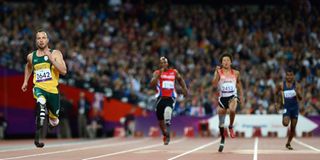
South Africa's Oscar Pistorius (left) competes in the men's 200m T44 round 1 athletics event during the London 2012 Paralympic Games at the Olympic Stadium in east London, on September 1, 2012.
Cas ruled that the blades allowed the American to run at a height several inches taller than if he ran with biological legs, thereby giving him “significant competitive edge.”
On February 19, World Athletics had deemed Leeper ineligible to compete in international events, including 2020 Tokyo Olympics in 2021, against able-bodied athletes, promoting his lawyers to file an appeal at Cas
Leeper’s lawyers said that the height limitations, known as Maximum Allowable Standing Height (Mash) that Paralympic organisations use, are based solely on “body proportions of white and Asian athletes.”
Early this week, the Court of Arbitration for Sport (Cas) turned down an appeal by American double amputee, Blake Leeper, who wanted World Athletics to allow him to use his prosthetic running blades to try to qualify for 2020 Tokyo Olympic Games.
Cas ruled that the blades allowed the American to run at a height several inches taller than if he ran with biological legs, thereby giving him “significant competitive edge.”