Hello

Your subscription is almost coming to an end. Don’t miss out on the great content on Nation.Africa

Ready to continue your informative journey with us?

Hello

Your premium access has ended, but the best of Nation.Africa is still within reach. Renew now to unlock exclusive stories and in-depth features.

Reclaim your full access. Click below to renew.

Involve youth in planning to ensure equity

Kenya ni Mimi

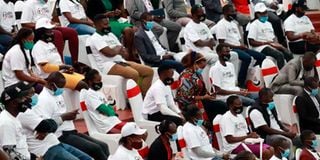
Youths following the proceedings during the launch of ‘Kenya ni Mimi’ youth dialogue initiative by President Uhuru Kenyatta at the Bomas of Kenya Nairobi on December 7, 2020.

Photo credit: Dennis Onsongo | Nation Media Group

Data from the 2019 population census show 75 per cent of Kenyans are young people, who are under 35. But they are often excluded in decision-making, leaving many of them unable to participate fully in national decisions that directly affect their lives.

The barriers to participation are even higher for girls and young women. In many spheres of life, they face a higher risk of being subjected to violence or exploitation, in addition to generally poor sexual and reproductive health.
As we approach the 2022 General Election, much of the attention given to youth will most likely be for the purpose of (mis)using them to cause chaos or hang around politicians, serially attend rallies or do the dirty underpaid work of those with tenders officially meant for youth.

This happens every election cycle because many youths are not empowered.

However, given the right opportunity, youth are effective drivers of change. They can leverage on leaders to participate in decisions on matters that affect them and influence implementation of the policies, laws and bills related to their welfare.

Participation and inclusion

We need to promote meaningful political participation of youth and the inclusion of those from diverse backgrounds and identities, particularly the disadvantaged and marginalised.

Adolescents and youth have been the most affected by the socioeconomic impact of the Covid-19 pandemic. But they are among the most active in the country’s responses: Being on the frontline as health workers and advancing health and safety through innovation.

There is a need to build partnerships between young people and adults by advocating policies and services such as increased access to information, knowledge and services on sexual and reproductive health and the sharing of lessons learnt across borders and between cultures.

Decision-makers must ensure youth voices in the solutions for a healthier, safer and gender-equal country.