KEG summit and readiness for 2027 polls
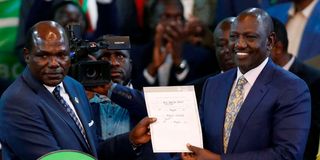
Then IEBC chairman Wafula Chebukati presents William Ruto with a certificate after being declared the winner of Kenya's presidential election at the national tallying centre at the Bomas of Kenya, in Nairobi on August 15, 2022.

What you need to know:
- Our responsibility is to report accurately, explain clearly and distinguish verified results from projections, speculation and political claims.
- Independent media tallying provides additional scrutiny, promotes transparency and enables citizens to follow the electoral process.
On election week in 2027, millions of Kenyans will be glued to their televisions, radios and mobile phones, anxiously following the results. They will want to know who is winning, who is losing and what the numbers mean for the country’s future.
But there is a more fundamental question: Will Kenyans trust what the media tells them?
This question should concern every editor, journalist, media owner and citizen long before the first ballot is cast.


The 2022 General Election left important lessons about election coverage, particularly the media’s role in results tallying and transmission. Questions were raised about verification, accuracy, transparency and the communication of results.
We cannot afford to sweep those concerns under the carpet. Did we adequately explain our tallying methodologies? Were our verification mechanisms sufficiently robust? Did the pressure to break news compromise clarity? And, perhaps most importantly, what must we do differently in 2027?
These are not questions intended to undermine journalism.
Accountability mechanism
Independent media tallying is an important accountability mechanism. It provides additional scrutiny, promotes transparency and enables citizens to follow the electoral process. However, the constitutional responsibility for declaring official presidential election results rests with the Independent Electoral and Boundaries Commission.
Our responsibility is to report accurately, explain clearly and distinguish verified results from projections, speculation and political claims.
But elections are not won or lost only on polling day. Public opinion is shaped months, sometimes years, before voters enter polling stations. When politicians promise jobs, affordable healthcare, lower taxes or economic transformation, who interrogates those promises? Who examines their feasibility, follows public money and reminds citizens of previous commitments?
For a mother struggling with school fees, a patient unable to access medication or an unemployed graduate, credible journalism is not a luxury. It is essential to informed decision-making. Yet the media faces its own storm.
Newsrooms are shrinking. Experienced journalists are leaving. Financial pressures threaten editorial independence and investigative journalism.
Credible election coverage
Artificial intelligence is making manipulated videos, images and audio increasingly difficult to distinguish from authentic content. Imagine a fabricated recording of a presidential candidate circulating hours before voting. By the time it is verified, the damage may already have been done.
The stakes could hardly be higher.
Equally troubling is the safety and preparedness of journalists. How can we expect journalists to deliver credible election coverage when they lack sufficient training, equipment, protection and resources?
Resilience must mean more than asking journalists to endure hardship. It must mean investing in their safety, welfare, skills and professional independence.
These questions are central to the Kenya Editors’ Guild’s 9th Annual Editors’ Convention in Mombasa, November 25–29, themed “Navigating the Storm: Media Resilience on the Road to 2027.”
Our gathering must go beyond speeches and declarations. We need practical commitments to transparent tallying protocols, rigorous verification, responsible use of AI, conflict-sensitive reporting, journalist protection and sustainable newsrooms.
Zubeidah Kananu is President, Kenya Editors’ Guild


