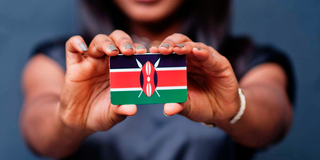
Kenya stands at a defining moment in its nation-building journey. Across generations, Kenyans have demonstrated resilience, innovation, courage and hope. We are a people capable of greatness. Yet amid our progress, one important question confronts us: what kind of a nation are we building for the next generation?
At the heart of every functional and prosperous society are values that cannot be replaced by wealth, technology or political promises. Integrity, accountability, the rule of law and active citizenship form the invisible foundation upon which trust, opportunity and national progress are built.
Where integrity thrives, economies grow, institutions function effectively and citizens experience dignity and fairness. However, where integrity weakens, trust erodes, corruption flourishes and public confidence in leadership declines. Kenya today is increasingly experiencing this tension.
In Swahili there is a saying which loosely translates to, “One who is not taught by their mother will be taught by the world.” The proverb reminds us that when values are not deliberately nurtured and upheld, society eventually learns painful lessons through consequences. Nations are no different.
A growing number of citizens, particularly young people, feel excluded from opportunity and disconnected from leadership and governance processes. According to the Kenya National Bureau of Statistics (KNBS), young people continue to face high unemployment and underemployment rates despite forming significant percentage of the population. Increasingly, leadership is met with skepticism rather than confidence.
At the same time, corruption has become dangerously normalised in everyday life. From bribery on roads and irregular public procurement processes to examination cheating and ghost workers, unethical practices have slowly become tolerated as survival tactics rather than condemned as threats to national building.
Power without responsibility
Scandals involving stalled projects, inflated tenders and misuse of public resources continue to emerge while the danger is not only economic loss but the gradual erosion of public conscience and institutional credibility. Practices once openly condemned are now frequently tolerated, excused or even admired.
Shortcuts, manipulation and abuse of systems are increasingly perceived as acceptable pathways to success. Slowly, corruption stops shocking society and becomes embedded in everyday life.
Equally concerning is the weakening of moral formation among emerging leaders. A nation’s future depends on the values it passes to the next generation. Moral crisis occurs when personal gain consistently overrides public good and when citizens normalize impunity rather than accountability.
When leadership becomes associated with power without responsibility, influence without service and success without ethics, young people inherit dangerous lessons about what leadership truly means.
Citizen disengagement has also become a growing challenge. Many people have lost faith in their ability to influence change and choose silence out of frustration or hopelessness. Others withdraw completely from governance and accountability processes. Yet silence creates space for poor leadership and weak systems to thrive unchecked.
Integrity, however, does not begin in government offices alone. It begins with ordinary daily choices. It is choosing honesty even when dishonesty appears easier. It is refusing to normalise corruption even when “everyone is doing it.” It is speaking up when something is wrong. It is raising children and mentoring young people to value character over shortcuts.
Sustainable national transformation
A nation does not become ethical simply because it has laws. It becomes ethical when its citizens consistently choose what is right over what is convenient.
Every Kenyan has, at some point, experienced frustration with broken systems, unfairness or leadership failures. Many have questioned whether integrity still matters. But nations are not transformed by hopelessness. They are transformed when ordinary citizens refuse to abandon what is right.
History repeatedly reminds us that lasting change often begins quietly with citizens who decide that silence is no longer acceptable, that values still matter and that the future is worth protecting.
The Kenya we desire will not be built by a few individuals alone. It will be built collectively: by leaders who serve with humility, institutions that uphold justice, parents who instill values, young people who participate actively and citizens who consistently demand accountability.
Patriotism is not expressed through words alone or waving flags and singing national anthem. It is demonstrated through the choices we make every day in our homes, workplaces, schools and public spaces.
Kenya’s future will not be secured by policies alone, but by citizens who still believe integrity matters. Until that reality is honestly confronted, sustainable national transformation will remain out of reach. The responsibility belongs to all of us. The opportunity also belongs to all of us. The time to act is now.