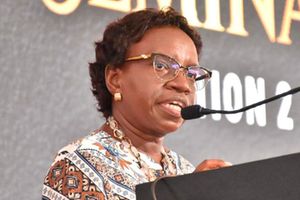
Pharmacists play critical role in healthcare
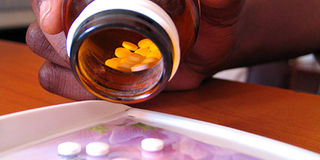
We need pharmacists in our clinics and communities, explaining treatment and helping people use medicines well.
A prescription carries hope. For a parent with a sick child, it promises relief. For a patient managing a lifelong condition, it offers the chance to keep working and living fully. Yet that promise depends on something easily taken for granted: the right medicine must be available, affordable, safe and effective.
Rev Sr Joan Devane understood this deeply. A medical mission sister and pharmacist, she saw the dedication of Kenya’s mission hospitals and dispensaries. She also saw how difficult it was for many of them to obtain the medicines their patients needed. In 1986, her vision helped establish the Mission for Essential Drugs and Supplies (MEDS) through a partnership between Kenya’s Catholic and Protestant health networks. As its founder and first general manager, she helped turn a shared concern into an organisation capable of meeting the needs of health facilities.
Sr Joan did not see medicines simply as products to be bought and sold. She understood the lives connected to every decision about them. Selecting an essential medicine meant focusing scarce resources. Bringing health facilities together to purchase supplies meant making those resources go further. Protecting quality meant honouring the trust of every patient. Her approach helped participating faith-based hospitals reduce pharmaceutical expenditure by approximately 20 to 30 per cent, enabling them to stretch limited resources further and continue providing treatment to patients who could least afford it.


This year’s World Pharmacists Day theme, “Empowering Pharmacists for Healthier Futures,” speaks directly to her legacy. It asks us to recognise pharmacists as professionals whose contribution reaches across patient care, medicine quality, supply and the strength of health systems.
Most people encounter a pharmacist when collecting a prescription. Yet pharmacists contribute throughout a medicine’s life cycle – from drug development, formulation and clinical research to regulatory evaluation and manufacturing. They uphold quality standards, assess suppliers, protect supply chains and prevent shortages. Through pharmacovigilance, they also monitor adverse reactions and emerging safety risks after medicines reach the market. Pharmacists help to ensure that every medicine is safe, effective and used responsibly.
Sr Joan’s example carries a message for Kenya today. We need pharmacists in our clinics and communities, explaining treatment and helping people use medicines well. We need them in laboratories, protecting patients from poor-quality products. We need them in supply chains, ensuring that medicines reach facilities in good condition. And we need them wherever decisions are made about how to improve access to care.
To empower pharmacists is to give their knowledge room to serve. It is to listen when they identify a risk, include them when systems are designed and equip them to solve problems before those problems reach the patient.
Follow ourWhatsApp channel for breaking news updates and more stories like this.
Dr Kigera is Director of Quality Services and Company Pharmacist at MEDS.