Premium
Talk about painful periods
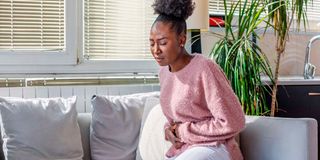
Research shows that around 80 percent of women and people with periods experience periods pain at some stage in their lifetime.

Periods pain is a topic that is rarely addressed. It’s the ‘dark side’ of periods that unfortunately is surrounded by silence. According to research by Women’s Health Concern, around 80 percent of women and people with periods experience periods pain at some stage in their lifetime.
A further five percent to 10 percent get such severe pain that disrupts their day-to-day life. With statistics such as these, it is surprising that people are still suffering in silence.
The superwoman who balances her career and family is reduced to a mass of writhing pain. The talented and academically brilliant teenager misses school. Women can't go to open their businesses, the most promising player suddenly decides to drop out. It is not a one-off or a random incident.


Painful periods are among the most common gynaecological problems affecting women across the globe. The severe and frequent cramps during menses are known as dysmenorrhea. This pain usually occurs in the lower abdomen. For some, there is pain in the lower back and thighs, nausea, fatigue, vomiting, diarrhea, or even dizzy spells.
Menstrual health education needs a big shake-up. The learning gaps are prevalent across our society. It affects how they think about and manage their periods. Some learn about periods in school. Topics such as hormones, heavy bleeding, conditions, period pains and general menstrual wellness are rarely included in these lessons.
A lack of understanding impacts wellbeing. It means pain and discomfort can get passed off as just ‘part and parcel’ of periods. It is sad that as a result of these awareness gaps, a large portion of women is suffering but thinking it is okay. Perhaps this is the reason there is eerie silence silence.
They are not voiced to medical professionals for fear of making a fuss over ‘nothing’. Let's not wait until menstruation day to talk about period pain.
Ngotiek is sexual and reproductive health and rights and youth advocate at Naya Kenya. ([email protected])