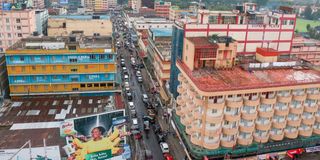
City status is not merely a badge of honour; it brings significant responsibility to build and sustain infrastructure that meets urban demands.
The elevation of Nakuru and Eldoret has delighted residents and local leadership. However, elevation appears to have overlooked a crucial reality: cities require robust systems to function effectively.
Many of these new cities share the same structural weaknesses long evident in Nairobi and Mombasa, including inadequate sewerage, poor drainage, unreliable water supply and deteriorating roads and walkways.
The criteria for attaining city status in Kenya remain unclear. While population and location may influence such decisions, infrastructure should be the defining factor.
Yet across these cities, service delivery remains poor. Uncollected waste, blocked sewers, water shortages and potholed roads are common features. The pattern of underperformance in essential services is both stark and widespread.
Environmental challenges further compound the problem. In Nakuru, Lakes Nakuru and Naivasha, which were once freshwater resources, have become polluted and now pose significant public health risks. Fish from these lakes have been deemed unfit for consumption. Pollution stems from farming activities around Naivasha and the Gioto dumpsite, which drains waste into Lake Nakuru, especially during rains. Despite these risks, little action has been taken.
These cities may currently be managing their populations, but this should not breed complacency. Nairobi once operated efficiently with a smaller population before being overwhelmed by rapid growth and inadequate planning. The consequences are evident today.
Emerging urban centres such as Thika, which seeks city status, must also reflect on whether infrastructure development matches growth. Industrial expansion alone is not a sufficient justification for elevation.
City status must be matched with strong, sustainable infrastructure. Political, regional or ethnic considerations should not determine elevation. Without proper planning and investment, today’s emerging cities risk becoming tomorrow’s urban crises.