Police must prove they’re truly apolitical
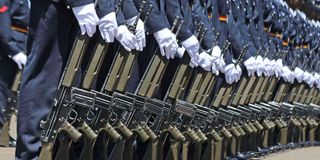
Recruits in a parade during a past pass-out ceremony at Kenya Police College Kiganjo.

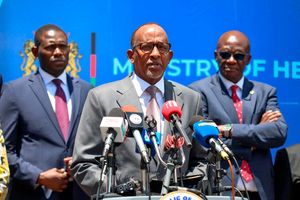
The Deputy Inspector-General of the National Police Service, Gilbert Masengeli, has defended the service against claims that officers are taking sides in political activities ahead of the 2027 General Election.
He, the National Cohesion and Integration Commission (NCIC) chairperson and the electoral commission’s deputy chief executive were responding to a Kenya Human Rights Commission (KHRC) report raising concerns about voter safety, freedom to campaign and electoral credibility amid reported violence and threats to civic freedoms.
During the past seven months, incidents of violence, some reportedly involving deaths at the hands of police, have heightened fears that campaigns and the elections could turn violent. The warning signs evoke memories of the 2007/08 post-election violence, which claimed nearly 1,600 lives and displaced thousands. Statements and actions by political leaders and some senior civil servants have added to these concerns.


The civil service and the National Police Service cannot simply dismiss claims that they have been politicised. When security agencies appear to take sides, or special police units are alleged to be used by politicians, assurances of political neutrality are unlikely to convince the public.
At the multi-agency engagement on election preparations, concerns raised by the KHRC deserve to be escalated through the governance hierarchy. They touch on citizens’ security and their right to participate freely in democracy. In past rights violations, police have been implicated, yet questions about the identities and accountability of units allegedly involved remain unanswered.
Denying involvement in violations is not enough. The police service must use its investigative capacity to establish who is responsible and make the findings known. Transparency would give substance to claims that the service is apolitical and help restore public confidence.
Inciting citizens
The role of senior politicians in inciting citizens and fostering toxic relations between ethnic and regional groups also requires urgent attention. Where senior civil servants, including Cabinet secretaries, make abusive remarks about communities or deepen divisions, authorities must respond consistently. NCIC has been criticised for appearing ineffective. When politicians are summoned, some Kenyans view the process as public relations rather than meaningful accountability.
To assure Kenyans that the 2027 elections can be peaceful and that the country can remain cohesive, the police and specialised units linked to killings, assaults, arrests, lethal crowd-control and enforced disappearances must address those concerns transparently. Allegations should be investigated impartially, and any evidence of wrongdoing should lead to appropriate action.
The authorities should explain the mandate, command structure and oversight of specialised units deployed during demonstrations or political gatherings. Officers must be identifiable, operations properly documented, and complaints independently examined. Where investigations establish unlawful conduct, disciplinary or criminal proceedings should follow.
Such steps would distinguish evidence-based accountability from blanket accusations against the entire service. They would also reassure officers acting lawfully that misconduct will not be allowed to tarnish their work. Public confidence depends not on denials, but on transparent procedures, verifiable results and equal treatment under the law.
Follow our WhatsApp channel for breaking news updates and more stories like this.
David M. Kigo, Nairobi