Premium
Saving Maasai culture in an evolving world
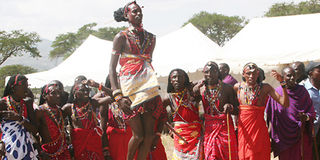
Maasai morans display their dancing skills during a leaders meeting in Kiserian, Kajiado County. T
The survival of Maasai traditions in a rapidly changing world is a defining test of our cultural resilience. As modernity accelerates, the Maasai stand at a crossroads: how to stride into the future without losing the essence of who they are.
This is not just a Maasai concern—it is a question for all humanity on how indigenous cultures can thrive amid globalisation, climate change, and shifting values.
At the heart of Maasai identity lies a deep connection to land, livestock, and wildlife. Semi-nomadic pastoralism has sustained both people and ecosystem for centuries. Today, that balance is under strain. Land subdivision and privatisation have fragmented grazing routes, while climate change, recurrent droughts, and diminishing pasturelands threaten livelihoods. Without urgent action to secure communal land rights and promote sustainable grazing, a centuries-old way of life risks disappearing.


Modernisation brings social and cultural challenges. Education and economic progress can clash with customs that define Maasai identity. Practices such as early marriage and female genital mutilation continue to hinder girls’ education and opportunities.
Preserving tradition must not mean perpetuating harm; cultural renewal must go hand in hand with empowerment, especially of women and youth. Despite these pressures, the Maasai are adapting. Community-led conservancies protect wildlife, generate tourism income, and reinforce Indigenous stewardship. Educated Maasai youth are championing climate action, entrepreneurship, and policy reform, reshaping what it means to be Maasai in the 21st century. This transformation requires support.
Government must protect communal lands, integrate pastoralist concerns into planning, and invest in education that values Indigenous knowledge. Development partners and investors must engage respectfully, seeing Maasai communities as equal partners in sustainable development.
The way forward lies in balance. Tradition need not be sacrificed for progress. By combining heritage with modern tools—education, technology, and innovation—the Maasai can chart a future that honours the past while embracing opportunity. The red shuka must continue to fly high, a symbol of resilience, wisdom, and cultural pride.
Saruni Lemargeroi