Many Kenyans are still obsessed with the presidency, stuck in the pre-2010 Constitution era, yet the presidency matters far less now.
And pretending otherwise is the reason we keep recycling national frustration. Our fortunes rise or collapse in Parliament, the arm of government we fill carelessly, emotionally, and without scrutiny.
The idea that a “strong president” will rescue us is a lazy escape from civic responsibility. Even the strongest president is handicapped when Parliament is weak, compromised and packed with MPs who neither understand their constitutional roles nor care to defend public interest. We keep creating imperial presidents not because the office is inherently powerful, but because Parliament is chronically submissive and easily captured.
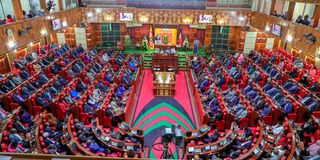
Right now, Kenya’s biggest governance crisis stems not from State House, but the National Assembly, which rubber-stamps questionable Bills and a Senate that flip-flops depending on political winds. Committees of both Houses operate more like extensions of party leadership rather than watchdogs.
That is why supporting various parties is a survival strategy. A fragmented house forces negotiation, scrutiny and discipline.
A Parliament without an overwhelming majority party would produce better oversight and debate, and fewer dangerous legislative shortcuts. Dominant-party politics is the breeding ground for impunity; with enough numbers, any regime can bulldoze through bad laws, punitive taxes and political appointments.
The economic strain facing millions of households today is directly linked to weak legislative resistance to harmful fiscal policies. The public outrage we see on taxes, cost of living, debt management, and accountability failures would be far less if Parliament had acted as a counterweight instead of a conveyor belt. We are suffering the consequences of a House that forgot who it works for.
In the coming elections, we must elect MPs and senators who understand the Constitution, who can read a budget, who know oversight is not begging for CDF crumbs, and who are not intimidated by party leaders. Without this shift, the presidency, no matter who occupies it, will remain a convenient scapegoat for our own electoral negligence.
Joseph Katiku Kioko, Nairobi