There used to be a time when Kenya was the preferred destination for people fleeing repression from across the wider East Africa.
This country became the second home for hundreds of thousands of refugees from Uganda, Somalia, Ethiopia, Rwanda, Eritrea, Burundi, South Sudan, the DRC and even further afield.
For political refugees, in particular, Nairobi was welcoming. It offered security, peace and protection.
Not anymore. One can bet that if there are people fleeing neighbouring Tanzania following turmoil in that once peaceful country after a contentious election that returned President Samia Suluhu Hassan, Kenya would be the worst possible choice for refuge.
Chances would be more than even that individuals who make their way to Kenya would be forcibly returned, against international convention, to face an increasingly dictatorial and insecure regime.
If recent history is anything to go by, President William Ruto has entered into an unholy alliance with neighbouring dictators that denies refuge to asylum seekers, and even conspires to abduct and forcibly return those already here.
In the past, the three neighbouring East African countries of Kenya, Tanzania and Uganda each offered asylum or safe passages to each other’s political exiles. Those forced to flee Kenya, for instance, would be allowed into Uganda or Tanzania outside the formal border crossings, where they would be offered shelter. Ditto those forced to escape Tanzania or Uganda and needed refuge in one of the other two countries.
But as we saw in the case of Ugandan opposition leader Kizza Besigye one year ago, Nairobi will willingly collude to allow security agencies of a neighbouring country to operate on Kenyan soil and illegally abduct and rendition pesky politicians.
Dr Besigye was kidnapped in Nairobi by Ugandan security and spirited across the border to face spurious criminal charges in a military court under a justice system that does the bidding of President Yoweri Museveni.
Kenya has also willingly sold out her own citizens to the security forces of neighbouring states. Presently, we have the case of human rights activists Bob Njagi and Nicholas Oyoo , who a month ago were reportedly abducted in Uganda while attending a political event as guests of opposition leader Robert Kyagulanyi, aka Bobby Wine. They remain missing to date.
It is worrying that Kenyan authorities remain unconcerned about the plight of citizens who may fall afoul of the law in neighbouring countries. Although Interior Cabinet Secretary Kipchumba Murkomen has gone on record stating, in response to media queries, that the Ministry of Foreign Affairs was working to ensure the release of the duo, there is little evidence of any concrete action by the by the ministry, which is headed by Prime Cabinet Secretary Musalia Mudavadi.
The Ruto Doctrine seems to be that Kenyan activists who get embroiled in the affairs of neighbouring countries deserve whatever fate befalls them.
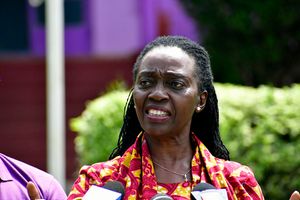
Opposition politician Martha Karua, former Chief Justice Willy Mutunga and several others seeking to attend the trial as part of an international observer mission were also detained on entry into Tanzania and deported.
Instead of protecting Kenyan citizens and demanding an explanation from authorities in Dar es Salaam and Kampala, President Ruto publicly apologised to the leaders of the two countries, taking the view that it was his subjects at fault.
Regime apologists may argue that Kenya does not interfere in the internal affairs of neighbouring countries, and likewise discourages citizens from doing so.
This stance is demolished by the fact that new, apparently transactional, foreign policy actively meddles in affairs of neighbours. Ruling party politicians, for instance, have openly stated their preference for presidents Suluhu in Tanzania and Museveni in Uganda.
Kenya has also been under the spotlight for a strange alliance with Sudanese militia leader Mohamed Hamdan Dagalo (Hemedti), who heads the Rapid Support Forces (RSF), a paramilitary group accused of widespread atrocities. If Hemedti is ever brought before the International Criminal Court, it might only be fitting that Kenyan collaborators join him in the dock.
There are also accusations that Kenya has interfered in the DRC conflict, recently hosting former President Joseph Kabila who is seen to support an insurgency in the eastern part of the country against his successor, President Félix Tshisekedi.