This year’s annual editors’ convention, held in Kilifi last week under the theme: Truth, Trust and Technology, provided an opportunity for editors to reflect on the issues affecting their profession, but also reserved slots for introspection and peer mentorship.
Coverage of the conference mainly dwelt on the big-ticket issues of media sustainability, the demand by the Kenya Editors Guild for the government to walk the talk on the safety of journalists, the pledge by Cabinet Secretary William Kabogo that the government would settle its debts with media houses, and agreements signed with organisations.
A presentation on the mental health of journalists, particularly in the era of artificial intelligence and other forms of technology, and a panel discussion on the transition out of the newsroom were equally important sessions that elevated conversations at the convention.
Journalists often generate and produce stories on mental health as part of their everyday work. However, by virtue of the traumatic events that form their everyday work, many become patients. For editors to support their colleagues to navigate the stressful newsroom environment, they must be prepared to recognise and address mental health.
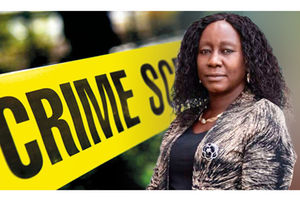
Prof Nancy Booker, the Dean of Aga Khan University’s Graduate School of Media and Communications, led the discussion on the mental health challenges journalists face in the artificial intelligence-driven digital age.
Mental well-being of journalists
According to Prof Booker, editors must recognise mental health as part of a newsroom sustainability and quality control strategy.
She observed that journalists work in triple-pressure context of information overload, perpetual deadlines and complex ethical decisions. This results in emotional fatigue, anxiety about job security and constant burnout.
“Journalists are juggling multiple platforms, multiple formats, multiple AI tools, and constant learning curves,” she observed.
Journalists are anxious about being replaced by AI as it can be used to generate text, images, audio, and create podcasts. This raises the fears about, redundancy, devalued expertise and reduced creativity, which erodes morale and affect the quality of work.
The transition from the newsroom, especially at this time when financial difficulties are forcing media houses to declare redundancies to stay afloat, also affects the mental well-being of journalists, especially if it is poorly handled.
Unlike before, when a career in journalism would end at age 60 and above, the socioeconomic realities of today force many journalists out of their jobs before they have even established themselves.
Invest wisely for retirement
Those left behind tend to worry about when their turn will come, and what lies out there. This can lead to paralysis, affecting the quality of content served to the public.
A panel discussion on life after the newsroom, where editors who have made a successful transition shared their experiences, came in handy to handle this emotive topic. Among the key lessons shared was the need to invest wisely for retirement, to be psychologically and financially prepared to leave employment at short notice, and the importance of establishing and maintaining strong networks. The editors were also advised to maintain good relations with their employers to stand a good chance of consultancy work from them, and to learn new skills that could be applied in future.
As one panellist observed, journalists’ curiosity, storytelling skills, and tenacity could see them succeed in many fields. These include communication, academia, public relations, media training, and even farming.
One of the most fascinating stories was that of a senior editor who ventured into bee-keeping and tasted sweet success from the sale of honey, propolis, and other by-products like lip balm. What’s more important is that he has initiated a number of colleagues into the business. In fact, he teamed up with one of his mentees to exhibit and sell their honey and other products on the sidelines of the convention.
Regrettably, some editors missed out on these nuggets of knowledge and wisdom at this important gathering. Well, the newsrooms still needed editors to oversee operations and keep the mill grinding.
Contact the Public Editor to raise ethical concerns or request a review of published material. Reach out: Email: [email protected] . Mobile Number: 0741978786. Twitter and linkedin: PublicEditorNMG.