The fight to retain effectiveness of our medicines begins on the farm, and Kenchic is leading the charge
Sponsored by Kenchic Plc
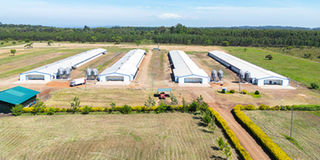
Kenchic broiler farm in Kakuzi near Nairobi.
By Dr Watson Messo
Antimicrobial Resistance (AMR) is often described as a looming global disaster, and as doctors warn about antibiotics losing their power, it is also argued that the biggest breakthroughs against AMR begin in the food systems we rely on every day. In Kenya, one of the clearest examples of this connection is poultry production, a sector that feeds millions of households weekly.
Many Kenyans think of antibiotics as human medicine – tablets you take when the doctor prescribes them. But on farms, antibiotics are used to treat sick animals and prevent massive losses. When used responsibly, they save lives. Used carelessly, they create bacteria that no longer respond to treatment.
In the words of one veterinary expert, “AMR doesn’t start in the hospital; it starts in how we manage health at every stage, including on the farm.”
Poor hygiene, low biosecurity, contaminated feed, and overcrowded sheds increase disease pressure, pushing farmers to use antibiotics frequently, sometimes without veterinary oversight. The result? Stronger, more resistant bacteria that can spread across the environment, through handling of raw meat or even the food we eat.
Globally, the poultry sector is shifting from “treat the disease” to “prevent the disease,” and Kenya is following this trend. Responsible poultry health starts long before a chick falls ill. It begins with raising birds in clean, well-ventilated housing supported by strict hygiene and biosecurity measures; ensuring feed is nutritious and safe; administering the right vaccinations at the right time; and maintaining continuous veterinary monitoring. Together, these practices create a healthier environment where birds thrive naturally, reducing the need for antibiotics and lowering the risk of antimicrobial resistance.
At Kenchic, responsible antibiotic use has always been at the heart of how we produce safe, trusted chicken for Kenyan families. As the country’s leading sustainable poultry producer, we put animal welfare and biosecurity first, long before treatment becomes necessary.
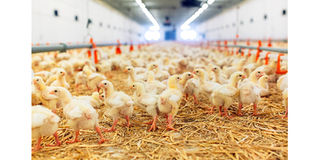
Inside a section of the Kenchic Kakuzi farm.
Our veterinarians monitor bird health every single day, and antibiotics are used only when medically required, and strictly under professional supervision. Whenever treatment is administered, we adhere to rigorous withdrawal periods to ensure that no residues ever reach the final product. Across our breeder farms, hatcheries, broiler farms, and processing facilities, we invest heavily in continuous monitoring, routine testing, and staff training, supported by our ISO-certified laboratory that rigorously tests all products to guarantee safety and quality. This is part of our long-standing commitment to sustainable poultry production that protects consumers, supports farmers, and slows the spread of AMR.
The impact of resistant bacteria is real. Common infections become harder and more expensive to treat. Hospital stays get longer. Routine procedures become risky, and families face higher medical bills. The way everyday chicken is raised can influence this outcome. “People don’t realise that choosing food from processors who prioritise safety is a public-health decision as much as it is a dietary one,” says a Nairobi-based public-health expert.

Kenya’s AMR strategy emphasises the need for collaboration. Farmers, veterinarians, processors, regulators, and consumers, each play a role. Cleaner farms, responsible antibiotic use, stronger surveillance systems, and better consumer awareness all contribute to a safer food ecosystem.
And as the threat of antimicrobial resistance grows, we believe consumers must play an active role too. Kenyans deserve to know how their food is raised, what practices are being used, and whether the food on their table comes from a producer committed to safe, responsible farming. We encourage every household to question where their food comes from, demand transparency, and choose producers who prioritise health, safety, and accountability at every stage of production.
The World AMR Awareness Week (November 18-24) serves as a wake-up call for every household to appreciate that the fight against antimicrobial resistance is not happening in distant laboratories, but also in our kitchens, farms, and the food choices we make every day. Our actions determine whether tomorrow’s infections will respond to treatment or not; whether lifesaving medicines will still work for our children or not; and whether routine illnesses will once again become dangerous or not.
As one of the key players in Kenya’s food system, Kenchic takes this responsibility seriously, because the poultry sector sits at the very heart of this battle. How chicken is raised today will shape the health of an entire generation.
If Kenya embraces sustainable farming with urgency and unity, and if producers across the country commit to the same level of responsibility and transparency, we can protect our food system, shield our homes, and preserve the medicines our children and grandchildren will depend on. The choices we make today will determine the health of a nation tomorrow.
____________________
Dr Watson Messo is the Lead Veterinarian and Head of Poultry Health at Kenchic


