From paying rent to owning a home: The Kenyan dream is taking shape
Sponsored by Affordable Housing Board
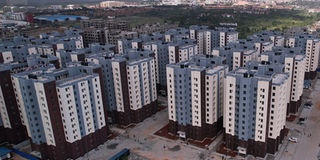
An aerial view of the Boma Yangu Mukuru Affordable Housing Estate.
By Bernard Wakhungu
For many Kenyans, owning a home has long been a cherished ambition. It represents security, independence and the satisfaction of knowing that years of hard work have contributed towards something of lasting value.
Yet, for countless families, this ambition has remained difficult to achieve. Rising property prices, expensive mortgages and the pressures of everyday living have made homeownership seem beyond their financial reach.
That situation is gradually changing.
Through the Affordable Housing Programme, the Government is creating opportunities for more Kenyans to acquire decent homes, particularly those who have traditionally struggled to enter the formal property market.
One of the most striking examples of this progress is the New Mukuru Housing Estate in Nairobi, where families who previously endured difficult living conditions in informal settlements have begun moving into modern apartments.
Among the beneficiaries is Rose Munyiva, a young mother who grew up in Mukuru kwa Njenga. In a published account of her experience, she recalled the flooding, insecurity and poor sanitation that characterised life in the informal settlement. Moving into a modern apartment has provided her family with better living conditions and a more secure environment.
Her experience illustrates the difference that decent housing can make in people's lives. Beyond the comfort of a modern apartment, it offers families an opportunity to raise their children in healthier surroundings and plan for the future with greater confidence.
What makes the Mukuru development particularly noteworthy is the attention given to the everyday needs of its residents.
Rather than concentrating exclusively on residential apartments, the development incorporates essential social amenities that make life more convenient and comfortable for the families living there.
These include a primary school, a Level-4 hospital, a shopping mall, a police station and a fire station. Together, these facilities bring education, healthcare, shopping, security and emergency services closer to residents.
For parents whose children attend the school within the estate, the shorter journey saves valuable time and reduces transport costs. Having healthcare services nearby is equally beneficial, particularly for families with young children and elderly relatives who may require regular medical attention.
The shopping mall provides convenient access to goods and services while offering opportunities for business and employment. The police and fire stations bring essential security and emergency response services closer to the community.
Recreational facilities have also received considerable attention.
A basketball court and generous green spaces provide children and young people with places to play, exercise and interact. Residents can enjoy outdoor activities, while families have opportunities to relax and spend time together within their neighbourhood.
Such facilities are especially valuable in urban areas, where overcrowding and limited recreational space have long affected the quality of life in many residential neighbourhoods.
Another thoughtful feature of the Mukuru development was the introduction of an optional furniture arrangement for residents moving into their new homes.
Moving into a new apartment can be an expensive undertaking, particularly when a family must also purchase essential household furniture. By offering residents the option of acquiring furniture, the initiative sought to ease some of the financial and practical difficulties associated with settling into a new home.
Participation was voluntary, allowing families to decide whether the arrangement suited their needs and financial circumstances.
The initiative recognised an important aspect of housing development: Providing a family with decent accommodation is a significant achievement, but helping that family settle comfortably into its new surroundings is equally worthwhile.
The Mukuru experience provides a useful example of how residential developments can be planned to meet the broader needs of communities.
A well-planned housing estate should offer more than accommodation. It should provide convenient access to essential services, encourage economic activity and create surroundings in which residents can enjoy a decent quality of life.
This approach is particularly important as Kenya's towns and urban centres continue to grow.
Increasing demand for housing must be accompanied by adequate investment in schools, healthcare facilities, roads, security services and recreational amenities. Without these facilities, new residential developments risk placing additional pressure on existing infrastructure and public services.
The Affordable Housing Board has an important role to play in promoting this broader approach to housing development. Established under the Affordable Housing Act, 2024, the Board is mandated to oversee the development of affordable housing, institutional housing and associated infrastructure. Its work is contributing to the expansion of housing opportunities beyond Nairobi, with developments taking shape in counties across the country.
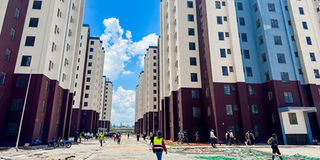
The Boma Yangu Mukuru Affordable Housing Estate.
These projects also provide opportunities to stimulate local economies through employment, increased demand for building materials, transport services and other commercial activities.
However, the true significance of these developments goes beyond the number of houses constructed. Behind every occupied home is a family whose dream of homeownership has become a reality, bringing with it greater security, stability and hope for a better future.
As more Kenyans settle into these developments, greater attention must be given to the long-term management and maintenance of the estates.
Reliable water and electricity supplies, well-maintained shared facilities, effective security arrangements and transparent service charges are essential to preserving the quality of life that residents expect.
Prospective homeowners must also receive clear information about their financial commitments, while those already occupying the houses should have access to reliable and responsive customer support.
Constructing decent homes is a major undertaking. Ensuring that the estates remain safe, attractive and properly managed is an equally important responsibility.
The experience at Mukuru demonstrates the benefits of planning housing developments alongside the schools, healthcare facilities, recreational areas and other services that residents need.
It also provides valuable lessons for similar projects being developed across the country.
For generations, many Kenyan families have spent a substantial portion of their earnings on rent, often with little prospect of acquiring homes of their own.
Expanding access to affordable housing gives more households an opportunity to move towards homeownership and build a stronger foundation for their future.
The benefits extend beyond the individual homeowner. Children can grow up in healthier surroundings. Families can enjoy greater residential security. And communities can benefit from better access to essential services.
Ultimately, the success of the Affordable Housing Programme should be reflected in the everyday experiences of the people it serves.
The true success of Kenya's housing transformation will not be measured only by how many houses we build, but by how many lives we change.
____________________
Bernard Wakhungu is a Strategic Corporate Communication Expert at the Affordable Housing Board


