How CMA licensing has boosted trust in Kenyan-based forex brokers
Sponsored by Exness
Forex trading is a massive market. Did you know that it accounts for $3.5 quadrillion as of April 2025? This is based on an average daily trading volume of $9.6 trillion, which is simply astronomical. If you thought that the cryptocurrency was massive, think again. The forex market includes the trading and pairing of fiat currencies like the dollar, euro, rand, pound, and the list continues. Due to the mammoth size of the market, more and more vendors are cropping up. For this reason, authority boards are starting to become stricter with their licensing procedures to ensure the safety of traders.
In rapidly growing and expanding forex markets, like the Kenyan market, licensing protocols play a critical role. It's their job to ensure that all trading procedures are being properly followed to ensure the security of traders. By doing this, more and more trust is funnelled into the market.
If you're a forex broker and trader in Kenya, this might be vital information for you to understand. By knowing how the forex market started and how it has grown considerably over the past years in Kenya, you will gain a better understanding of the need for legal oversight and escalation guardrails. Furthermore, understanding the policies of the regulator – the Capital Markets Authority (CMA) – will allow you to get a better grasp of how these protect you as a broker.
Kenya’s growing forex scene created an urgent need for real oversight
Before Kenya legalised and regulated online forex trading in 2017, tens of thousands of traders were already active in the markets. Many had signed up with offshore brokers, sent money abroad and traded on platforms that didn’t answer to Kenyan laws or financial protections. It wasn’t illegal, but it wasn’t safe either. If a broker disappeared, froze withdrawals or manipulated spreads, a Kenyan trader had no reliable authority to step in. You were on your own.
The global numbers show how quickly retail forex trading was expanding around that time. According to the BIS report of 2019, retail traders, individuals, family offices and smaller fund managers, accounted for about three percent of daily global forex volumes, adding up to more than $200 billion traded every single day. This growth was fuelled by easy digital access, low barriers for entry and the appeal of trading from anywhere, including on mobile devices.
At the same time, the FX/CFD industry saw a surge in activity. Finance magnates reported a 27 percent increase in FX/CFD trading volumes in early 2020. Kenya wasn’t blind to these shifts. South Africa had already been regulating the online forex industry for over a decade and traders across the continent often depended on its rules for protection. But Kenya saw the dangers of depending on foreign regulators who weren’t obligated to protect Kenyan investors. The CMA stepped in to create local rules that put Kenyan traders first.
Once licensing came into effect, brokers in Kenya had to meet clear and strict requirements. They had to incorporate locally, set up real offices with qualified staff, maintain minimum capital reserves, separate client funds from company funds and follow transparent reporting and auditing processes. CMA-licensed brokers also became obligated to educate traders about risks and maintain complaint-handling processes designed to protect clients.
CMA licensing made the ground safer for forex traders
When the CMA drafted and implemented the Online Foreign Exchange Trading Regulations in 2017, it marked a turning point. Kenya became the second African country, after South Africa, to formally regulate online forex and CFD trading. It was a huge step for the country, which is fondly known as the “Silicon Savannah”, a little play on the Silicon Valley of USA. Kenya’s digital inroads have been impressive, and by legitimising its digital forex market, it has made great strides toward keeping up with capitalism and modernity.
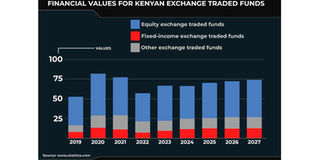
How Kenya trades funds is fascinating to observe, as well. They seem to focus on ‘equity exchange traded funds’ and ‘fixed-income exchange traded funds’, both of which you can see represented below:
How CMA licensing strengthens confidence in an industry built on risk
Forex trading always involves risk, no matter where you trade or how experienced you are. What CMA licensing does is reduce the avoidable risks – the ones that come from fraud, manipulation, unreliable platforms, hidden pricing or unethical broker behaviour. When a regulator imposes strict rules, traders have a clearer sense of what to expect from a broker and can make informed decisions.
The CMA’s regulatory framework is rooted in four key pillars: Trust, integrity, transparency and accountability. Licensed brokers must:
- Operate as real businesses within Kenya
- Maintain adequate capital and liquidity
- Keep client money separate from company accounts
- Hire qualified personnel with proven experience
- Maintain proper bookkeeping, reporting and audits
- Disclose risks openly to clients
- Follow anti-money-laundering and consumer protection rules.
This level of oversight brings structure to a market that previously left too much to chance. It also encourages traders to stay on platforms that put their safety first.
How Kenya’s forex market expanded after CMA regulations took effect
The interesting thing about regulation is that you'd think it would slow things down when operators and traders take a step back to re-evaluate and reorganise. But it hasn't been this way at all in Kenya. Regulation has created a safer ecosystem for everyone involved. Now, operators know what they're doing and what's expected of them, as do traders.
Since the 2017 legalisation, the industry has registered an estimated 80 percent growth in forex and CFD trading volumes, along with more than 40,000 new traders joining the market. By 2020, the number of Kenyan retail traders had grown to over 90,000. With the additional rise of advanced technology with enhanced interfaces that MetaTrader 5 brokers in Kenya make use of, it only makes sense that the numbers have been steadily increasing in the Kenyan market.
These weren’t random increases. They were tied directly to greater oversight, stronger broker participation and improved investor education. Licensed brokers were finally able to market openly, engage with local traders and run awareness programmes that helped people understand both opportunities and risks.
CMA licensing helps Kenya position itself on the global stage
Kenya’s decision to regulate the forex market aligned with its broader economic goals. The CMA considered global best practices, referencing IOSCO guidelines and focusing on sustainable development goals such as increasing market stability, improving liquidity and building investor confidence. These goals supported larger national initiatives, including the Vision 2030 agenda and the Capital Markets Master Plan.
The whole point was to create a safer experience for traders, and also to position the country on the global trading market, which is exactly what has happened. This also instils trust in traders, as it means they are part of a broader market.
Why the CMA licensing categories matter for trader confidence
The CMA created three types of licenses: Dealing brokers, non-dealing brokers and money managers. Each type has different responsibilities and risks, so knowing what each license means helps traders understand how their broker operates. Each of these must follow strict capital requirements, operational standards and reporting procedures. When you see a broker with a CMA license, you’re seeing a company that has committed to high-level compliance across every aspect of its business.
The impact of trust on how Kenyan traders approach the market
In a market as volatile as forex, trust is more than a comfort; it’s a must. As a trader, you need to be sure that you're trading on the safest and most secure platform out there. Without this level of trust, it's tricky to dive fully into trading. You see, trading is its own kettle of fish and you need to have your brain switched on properly to make the most of the experience. If you're worried about your safety, you're wasting your precious brain power that should be used on the trades you're about to make. As a trader, the onus is on you. You have to know the movements of the market. Knowing that over the past month, the Kenyan Shilling has weakened 0.27 percent, and is down by 0.58 percent over the last 12 months, is, for example, crucial knowledge.
Engaging in the forex market safely and securely
Even with strong regulation, forex trading still carries real financial risk. The CMA has made the environment safer but you still need to take responsibility for smart decision-making. Choosing a licensed broker is the first step, but there are several others you should always keep in mind:
- Understand how leverage works and avoid extreme scenarios.
- Learn the rules of the market before trading significant amounts.
- Use risk-management tools such as stop-loss orders.
- Stay informed about economic news and global market trends.
- Keep your trading emotions in check, especially during volatile periods.
- Avoid deals or brokers that promise guaranteed profits.
- Monitor your trading platform regularly for any unusual activity.
Kenya’s regulatory framework has made remarkable progress in reducing the risks traders face, but the safest trader is the informed one. With CMA licensing creating a trustworthy foundation and responsible habits guiding your trading journey, you can engage in the forex market with far greater confidence and much fewer unnecessary surprises.


