Beyond the volume: How hydrologists body supports assessment of water quality
Sponsored by Hydrologists Registration Board

Ag Registrar/CEO of Hydrologist Regulatory Board Georgia Ndanu Mwendwa speaks at the Water, Sanitation and Irrigation Conference that ran on October 22-23, 2026 at KICC, Nairobi.
As Kenya expands water infrastructure to improve access, the Hydrologists Registration Board says stronger hydrological monitoring, professional expertise and science-based planning are essential to ensuring supplies remain dependable through droughts, floods and rising demand.
Building a dam, drilling a borehole or extending a water pipeline does not automatically guarantee a reliable water supply. The infrastructure may be in place, but its long-term success depends on whether the source can sustain demand through dry seasons, droughts and changing weather patterns.
That is the central message from Acting Registrar and Chief Executive Officer of the Hydrologists Registration Board (HRB) in Kenya, Georgia Ndanu Mwendwa, who says hydrological science must inform water investment from the earliest stages of planning.
Hydrology is the study of the movement, distribution and management of water. It helps establish how much water is available, where it can be found, how its availability changes over time and whether a source can meet the needs of communities, agriculture, industry and the environment.
For a country classified as water-scarce, this knowledge is essential to making sound decisions about water allocation, infrastructure development and resource protection. It also helps planners account for differences in water availability between regions and seasons, rather than assuming that a source that is productive today will remain dependable in the future.
“Kenya’s water security will not be secured by building infrastructure alone,” Ms Mwendwa says. “Those investments must rest on sources that can provide dependable water through dry seasons, periods of drought and rising demand.”
Reliable hydrological information provides the evidence needed to plan water projects, assess risks and manage competing demands. It helps determine whether a proposed source can support a new investment and whether existing supplies can accommodate additional users without undermining the needs of others.
Ms Mwendwa says Kenya has valuable hydrological records and institutions with experience in monitoring water resources. The challenge is to maintain observations consistently, close gaps in monitoring and make information available for use across institutions.
Continuous records of river flows, groundwater conditions and changing water availability are particularly important. Without them, it becomes harder to assess the reliability of a source, anticipate shortages or establish how much water can be allocated sustainably.
Long-term data also helps distinguish temporary fluctuations from lasting changes in water availability. This evidence supports infrastructure design, drought preparedness, flood-risk assessment and the protection of water sources.
Technology is expanding the tools available for this work. Automated monitoring stations can transmit river-flow and climate data in real time, while satellite observations complement ground measurements, particularly in areas with limited monitoring coverage. Hydrological models can help forecast floods and droughts, estimate water availability and inform infrastructure planning.
Emerging artificial intelligence applications also offer opportunities to improve forecasting, including in catchments where data is limited. Ms Mwendwa notes, however, that the benefits depend on continued investment in monitoring infrastructure, data integration and the professional skills needed to interpret the information accurately.
Planning for a changing climate
Kenya’s water resources face the combined pressures of population growth, agriculture, industry and increasingly variable weather. Hydrological observations point to prolonged dry periods interspersed with episodes of intense rainfall and flooding, affecting river flows, groundwater recharge and the reliability of water sources.
These risks are compounded by catchment degradation, changes in land use and the expansion of settlements in flood-prone areas. Hydrological assessments can help identify areas of vulnerability and guide the design of infrastructure that is better suited to changing conditions.
Ms Mwendwa says water infrastructure must be planned for the decades it is expected to serve, rather than relying solely on historical conditions that may no longer reflect future risks. Assessments should test whether water sources, storage facilities and flood-control structures can withstand more severe droughts, floods and changes in demand.
Hydrology also supports the protection of catchments, wetlands and forests, which influence how water is stored, released and maintained for use. Assessments can identify where degradation is increasing runoff, erosion or pressure on dry-season flows, and where restoration could help protect water supplies.
Maintaining the minimum flows needed to sustain rivers and other ecosystems is another important consideration in water allocation. Protecting these environmental flows is part of ensuring that water resources remain available for people and economic activity over the long term.
Groundwater is an important source for many Kenyan communities, particularly when rivers and surface-water storage are under pressure. But its availability cannot be judged simply by whether a borehole is producing water. The quality needs to be ascertained.
Ms Mwendwa says more research and monitoring are needed to establish the occurrence, movement and distribution of groundwater resources, as well as changes in aquifer levels, recharge and water quality.
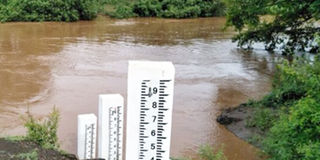
Service water monitoring.
This information is essential to determining whether groundwater can support continued use without being depleted or compromised. It can also help communities, industries and water utilities assess alternatives such as rainwater harvesting and storage, appropriately managed groundwater and water reuse.
No single option will suit every location. Hydrological assessments help determine the reliability and environmental implications of each source, taking account of local conditions, other users and the water needed to sustain ecosystems.
The same evidence can help major water users improve efficiency, manage abstraction responsibly and reduce the risks associated with dependence on a source whose availability may change.
Strengthening professional standards
The quality of water-resource decisions also depends on the expertise of the people making them. Qualified hydrologists assess water availability, support project design, inform resource allocation and help manage risks associated with floods, droughts and changing climatic conditions.
Their work can help prevent investments from being built around unrealistic assumptions about the availability of water. Bringing hydrological assessments into feasibility studies and project planning from the outset can also reduce the risk of costly redesign, unreliable services and disputes over scarce resources.
The Hydrologists Registration Board supports professional standards through registration and licensing, the promotion of competence and ethical practice, and engagement with institutions that train and employ hydrologists.
Ms Mwendwa says the profession must continue developing its practical field skills and expertise in areas such as remote sensing, automated monitoring, climate and groundwater modelling, artificial intelligence and environmental-flow assessment. The Board also engages universities and training institutions on curricula and promotes continuous professional development to help practitioners keep pace with emerging methods and technologies.
These efforts support Kenya’s wider commitment to Sustainable Development Goal 6, which seeks to ensure the availability and sustainable management of water and sanitation for all. Expanding access to services is an essential part of that ambition, but the reliability of the sources supplying those services matters just as much.
For Ms Mwendwa, the distinction between completing infrastructure and securing a dependable supply deserves greater attention from policymakers and the public. Water projects must be assessed not only by what is built, but also by whether the resources behind them can continue to meet demand.
“The measure of success should be water that people can continue to rely on, not infrastructure delivered on its own,” she says.